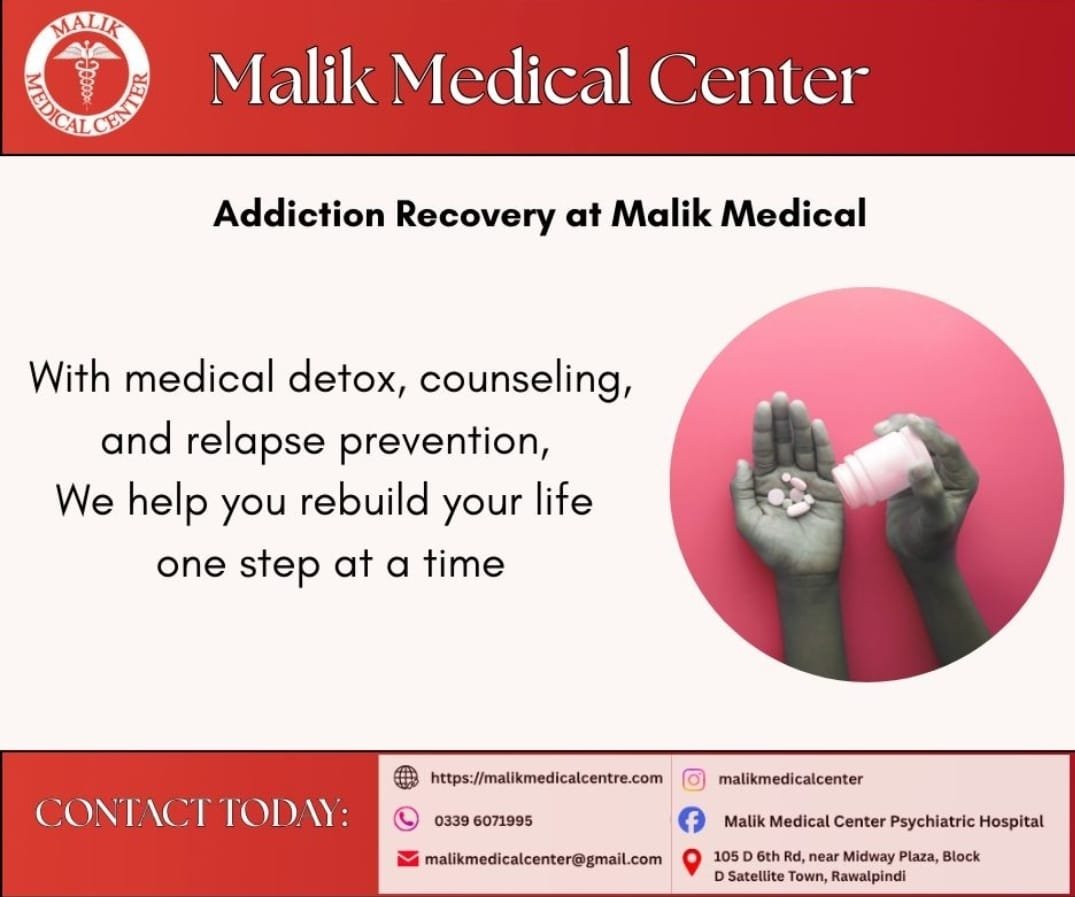
Trusted Addiction Recovery Center for Drug & Alcohol Healing
Addiction is not a weakness or a lack of willpower. It is a complex condition that affects the brain, emotions, and daily behaviour of a person. Many individuals fall into addiction due to stress, trauma, social pressure, or emotional pain. Over time, substances like drugs or alcohol begin to control thoughts, actions, and priorities, making it difficult to live a balanced and healthy life. This is where an addiction recovery center plays a vital role by offering structured care, understanding, and professional guidance to those who are struggling.
People dealing with addiction often feel shame, fear, or hopelessness. They may want to quit but do not know how or feel scared of withdrawal symptoms and judgment. Compassionate care helps remove these fears. Recovery is not about punishment or force. It is about healing, rebuilding trust, and restoring confidence. When individuals receive care in a supportive environment, they are more likely to open up, participate actively in treatment, and stay committed to their recovery journey.
A trusted recovery center focuses on the whole person, not just the addiction. Emotional health, physical strength, mental clarity, and family relationships all matter. By understanding addiction as an illness that can be treated, people begin to believe in recovery again. This belief is often the first step toward lasting change.
How a Structured Recovery Program Supports Healing
Recovery does not happen overnight. It requires time, patience, and a well-planned structure. A structured program provides routine, discipline, and professional supervision, which are essential for breaking addictive patterns. In a safe and controlled setting, individuals can slowly detox their bodies, manage cravings, and learn healthier ways to cope with life’s challenges. A reliable ADDICTION RECOVERY CENTER designs these programs carefully to ensure both safety and effectiveness.
Structure helps bring stability to a life that may have been chaotic for a long time. Fixed schedules for therapy, rest, meals, and activities create a sense of normalcy. This routine helps calm the mind and reduces anxiety, which is common during early recovery. When the body and brain begin to adjust to life without substances, professional support becomes crucial to prevent relapse and emotional breakdowns.
Another benefit of a structured program is accountability. Individuals are not alone in their journey. Therapists, doctors, and support staff monitor progress and adjust treatment plans as needed. Group sessions also play an important role, allowing patients to share experiences, learn from others, and realize they are not alone. This sense of connection builds motivation and emotional strength, which are key to long-term healing.
Role of Family and Community in the Healing Process
Addiction does not affect only one person. It impacts families, friends, and entire communities. Loved ones often feel helpless, confused, or emotionally exhausted. Including family in the recovery process can bring powerful healing for everyone involved. Education sessions help families understand addiction, remove blame, and learn how to offer healthy support without enabling harmful behavior.
Family involvement also rebuilds trust. Addiction often damages relationships through broken promises and emotional distance. Therapy sessions allow honest communication in a safe environment. When families learn how to set boundaries while still showing care, the recovery process becomes stronger and more stable.
Community support is equally important. A person who leaves treatment and returns to an unhealthy environment faces a higher risk of relapse. Recovery centers often guide patients toward positive social networks, support groups, and healthy activities. Feeling accepted and supported by others gives individuals the confidence to stay committed to their new lifestyle.
Healing becomes more effective when people feel connected. Recovery is not just about staying sober. It is about rebuilding a meaningful life with strong relationships and a sense of belonging.
Medical and Psychological Support for Lasting Recovery
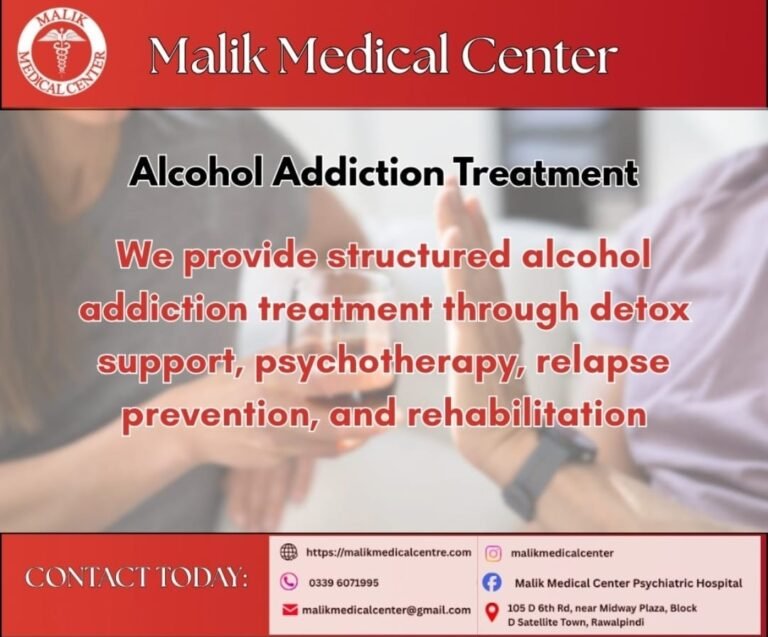
Addiction affects both the body and the mind. That is why medical, and psychological support must go hand in hand. Medical care ensures safe detoxification and manages withdrawal symptoms that can be painful or dangerous if ignored. Doctors and healthcare professionals monitor physical health, sleep patterns, and nutrition to help the body recover strength and balance.
Psychological support focuses on understanding the root causes of addiction. Many people turn to substances to escape emotional pain, anxiety, depression, or unresolved trauma. Therapy sessions help individuals identify these triggers and learn healthier coping methods. Cognitive and behavioral approaches teach patients how to change negative thought patterns and make better decisions in stressful situations.
In the middle of the recovery journey, an ADDICTION RECOVERY CENTER becomes a place of transformation rather than just treatment. Patients start to understand themselves better, build emotional awareness, and develop confidence. Counseling also helps repair damaged relationships by improving communication and emotional control. When mental and emotional health improves, the risk of relapse decreases significantly.
This balanced approach ensures that recovery is not temporary. Instead of simply stopping substance use, individuals learn how to live a fulfilling life without dependence. That is what makes recovery meaningful and lasting.
Life Skills and Relapse Prevention Strategies
One of the most important parts of recovery is preparing for life after treatment. Real-life challenges do not disappear once a program ends. Stress, emotional triggers, and social pressure can return at any time. That is why learning practical life skills is essential for maintaining recovery.
Patients are taught how to manage stress, control emotions, and handle difficult situations without turning to substances. Skills like problem-solving, time management, and healthy communication make daily life easier and more balanced. Individuals also learn how to recognize early warning signs of relapse and act before things get out of control.
Healthy habits play a big role in relapse prevention. Regular exercise, proper sleep, balanced nutrition, and mindfulness practices improve both physical and mental well-being. When people take care of their bodies and minds, cravings become easier to manage.
Recovery is a lifelong journey, not a single event. With the right tools and strategies, individuals gain confidence in their ability to stay sober and face life’s challenges with strength and clarity.
Choosing the Right Place for a Healthier Future
Selecting the right treatment facility is one of the most important decisions in the recovery journey. A trusted center offers professionalism, confidentiality, and personalized care. It should feel safe, respectful, and supportive from the very first step. When individuals feel understood rather than judged, they are more likely to commit fully to the healing process.
A quality ADDICTION RECOVERY CENTER focuses on long-term success, not quick fixes. It provides a balanced combination of medical care, therapy, life skills training, and emotional support. The goal is not only to help patients stop using substances but to guide them toward a healthier, more meaningful life.
Recovery is possible for everyone, regardless of how long they have struggled. With the right guidance, support, and determination, individuals can regain control of their lives. Choosing a trusted recovery center is the beginning of a new chapter filled with hope, strength, and lasting healing.
Frequently Asked Questions (FAQs)
What is the first step toward addiction recovery?
The first step is accepting that help is needed. Reaching out to professionals allows individuals to receive proper assessment and guidance for treatment.
How long does addiction recovery take?
Recovery time varies for each person. It depends on the type of addiction, duration, physical health, and personal commitment to treatment.
Is family involvement important during treatment?
Yes, family support plays a major role in emotional healing and long-term recovery. It helps rebuild trust and understanding.
Can relapse be prevented completely?
While relapse is a risk, learning coping strategies, recognizing triggers, and maintaining support greatly reduce the chances.
Is recovery possible after many years of addiction?
Absolutely. With the right care, support, and determination, recovery is possible at any stage of life.