Understanding Drug Addiction and Its Impact
Drug addiction is a chronic condition that changes how the brain works. It creates strong cravings and compulsive behaviors that are difficult to control without professional support. Over time, substances interfere with judgment, emotions, and decision-making. This leads to problems such as broken relationships, financial stress, poor academic or work performance, and serious health issues.
In Pakistan, drug addiction affects people from all backgrounds. Stress, unemployment, peer pressure, trauma, and untreated mental health conditions are common contributing factors. Addiction often starts as experimentation but slowly turns into dependency. Without proper treatment, the cycle continues and becomes harder to break. Understanding addiction as a medical and psychological issue, rather than a moral failure, is the first step toward recovery.
Why Professional Rehabilitation Is Important
Many individuals believe they can quit drugs on their own, but addiction is rarely overcome without structured support. A TOP DRUG REHAB CENTER provides a safe and controlled environment where individuals can focus entirely on healing. Professional rehabilitation addresses both physical dependence and psychological causes of addiction.
Medical supervision during detox helps manage withdrawal symptoms safely. Therapy sessions help patients understand why they started using drugs and how to cope with triggers. Rehab centers also provide emotional support, discipline, and routine, which are essential for recovery. Without professional care, relapse rates are high because the underlying issues remain unresolved. Rehabilitation offers not just treatment but a complete system of care that supports long-term change.
Mental Health Support and Emotional Healing
Addiction is often linked with mental health conditions such as anxiety, depression, and past trauma. Treating addiction without addressing mental health increases the risk of relapse. That is why emotional healing is a key part of rehabilitation.
Therapies like cognitive behavioral therapy help individuals recognize harmful thought patterns and replace them with healthier ones. Stress management techniques, mindfulness practices, and emotional regulation skills help patients handle daily challenges without turning to drugs.
Emotional healing also involves rebuilding self-confidence and self-respect. Many individuals feel guilt or shame because of their addiction. Therapy helps them understand that recovery is a process, not a judgment. When mental health is treated alongside addiction, individuals gain clarity, balance, and resilience needed for lasting recovery.
Types of Treatment Programs Available
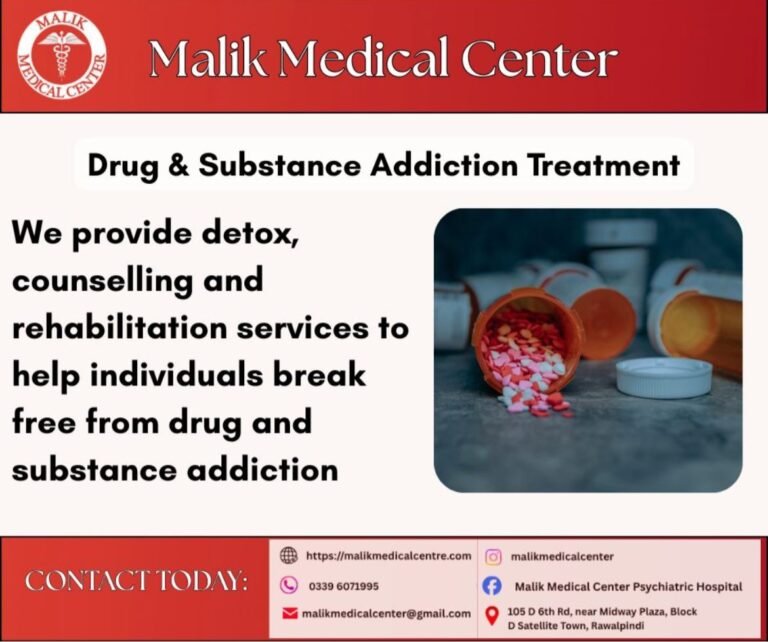
Effective rehabilitation includes a range of treatment programs designed to meet individual needs. Detoxification is often the first stage, where the body is cleared of substances under medical supervision. This stage can be physically and emotionally challenging, which is why professional care is crucial.
After detox, therapy becomes the foundation of recovery. Individual counseling allows patients to work on personal challenges and trauma. Group therapy builds a sense of community and shared understanding. Family therapy helps repair damaged relationships and educates loved ones about addiction and recovery.
Some individuals benefit from residential programs where they stay at the facility, while others choose outpatient programs that allow them to continue daily responsibilities. In the middle of the recovery journey, a TOP DRUG REHAB CENTER focus on helping individuals develop self-awareness, emotional strength, and practical skills needed for a drug-free life.
Taking the First Step Toward Recovery
A top drug rehab center can be the turning point for individuals and families struggling with substance addiction. Drug dependency affects not only physical health but also mental peace, relationships, education, and professional life. In Pakistan, addiction is a growing concern, and many people silently suffer due to fear, stigma, or lack of proper guidance. Recovery starts with acceptance and the courage to seek help. With the right treatment, care, and support, healing is possible, and a stable, meaningful life can be rebuilt step by step.
Life Skills, Discipline, and Relapse Prevention
Recovery does not end with quitting drugs. Learning how to live without substances is just as important. Life skills training helps individuals manage stress, communicate effectively, and solve problems in healthy ways. These skills are essential for dealing with real-life pressures after treatment.
Relapse prevention is a major focus of rehabilitation. Patients learn to identify triggers, avoid risky situations, and create action plans for moments of weakness. Support groups and follow-up counseling provide continued guidance and accountability.
Healthy routines such as regular exercise, proper sleep, and balanced nutrition are encouraged. These habits improve physical health and emotional stability. Over time, individuals begin to feel more in control of their lives and decisions, making long-term recovery achievable.
Building a Stable Future After Rehab
The journey of recovery continues even after leaving a treatment facility. Ongoing support is essential for maintaining sobriety. Aftercare programs, counseling sessions, and peer support groups help individuals stay connected and motivated. Family support also plays a vital role in sustaining recovery.
Many people find purpose by setting new goals, continuing education, or rebuilding their careers. Some even choose to support others who are on the same path, which strengthens their own commitment to recovery. In the final phase of healing, a TOP DRUG REHAB CENTER emphasizes independence while ensuring that help is always available when needed. Recovery becomes a lifelong commitment to health, honesty, and personal growth.
Frequently Asked Questions (FAQs)
How long does drug rehabilitation usually take?
The duration varies depending on the severity of addiction and individual progress. Programs may range from a few weeks to several months, followed by aftercare support.
Is detox painful or dangerous?
Detox can be uncomfortable, but medical supervision makes it safer and more manageable by controlling withdrawal symptoms.
Can family members visit during treatment?
Yes, most rehab programs encourage family involvement through visits and therapy sessions, as family support improves recovery outcomes.
What if someone relapses after rehab?
Relapse does not mean failure. It is a common part of recovery, and seeking help immediately can prevent further setbacks.
Is confidentiality maintained in rehab centers?
Yes, professional rehabilitation centers follow strict confidentiality policies to protect patient privacy.