Treatment of Addiction Programs for Drug and Alcohol Recovery
Addiction is not a sudden event. It develops gradually and often hides behind daily habits, stress, or emotional struggles. Over time, substance use can turn into dependence, affecting physical health, mental clarity, relationships, and self-control. Many people hesitate to seek help because of fear, shame, or the belief that they should handle the problem alone. Choosing t is not a sign of weakness. It treatment of addiction is a responsible and courageous step toward regaining control of life. Understanding addiction as a medical and psychological condition helps remove blame and opens the door to proper care and recovery.
Substances like drugs and alcohol change how the brain works. They interfere with decision-making, emotional regulation, and impulse control. This is why quitting without support can feel impossible for many people. Addiction affects people from all backgrounds, and recovery begins when the condition is understood with compassion rather than judgment. Awareness is the first step toward meaningful and lasting change.
Why Professional Addiction Treatment Is Necessary
Many individuals try to stop using substances on their own, but relapse is common without structured support. Withdrawal symptoms, emotional distress, and cravings can become overwhelming. Professional programs provide a safe environment where recovery can begin under medical and psychological guidance. When individuals enter TREATMENT OF ADDICTION, they receive care designed around their specific needs rather than generic advice.
Medical supervision is especially important during detoxification. Withdrawal from certain substances can be uncomfortable or even dangerous without proper monitoring. Treatment centers ensure safety while helping the body adjust. Beyond physical care, professional programs offer emotional stability, routine, and accountability. This structured support reduces the risk of relapse and helps individuals focus fully on healing. Recovery is not just about stopping substance use but about learning how to live without depending on it.
The Role of Therapy and Counseling in Recovery
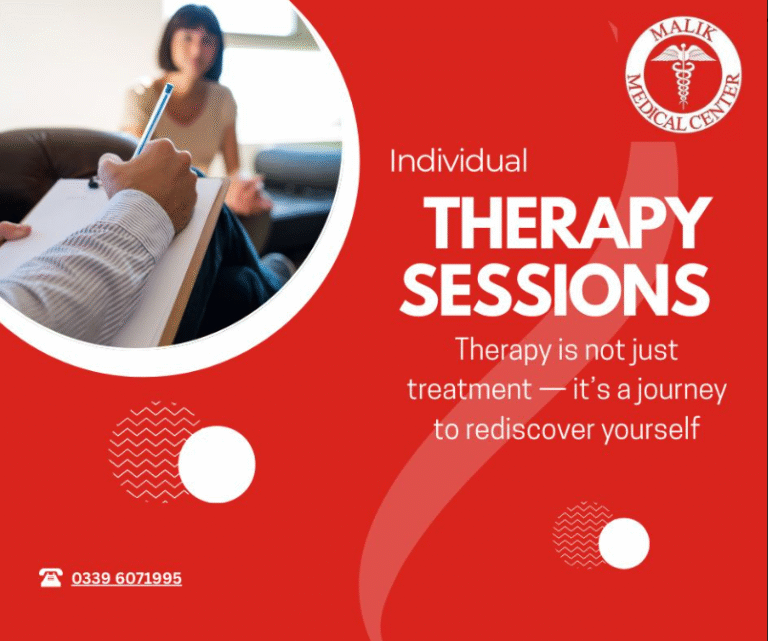
Therapy is a central part of addiction recovery because it addresses the reasons behind substance use. Many people use drugs or alcohol to cope with stress, trauma, anxiety, or unresolved emotional pain. Therapy helps uncover these underlying causes in a safe and supportive setting. Through individual counseling, patients learn to recognize triggers, manage cravings, and develop healthier coping skills.
Group therapy also plays a powerful role. Sharing experiences with others who face similar struggles reduces feelings of isolation and shame. It creates a sense of connection and understanding that motivates continued progress. In the middle of recovery, structured therapy within treatment of addiction helps individuals stay grounded during emotionally challenging moments. Over time, therapy builds self-awareness, emotional strength, and confidence, making long-term recovery more achievable.
Building Healthy Routines and Life Skills
Addiction often disrupts daily routines, responsibilities, and personal goals. Recovery involves rebuilding these areas step by step. Treatment programs focus on creating healthy habits that support physical and mental wellbeing. Regular sleep, balanced meals, physical activity, and planned daily schedules help restore stability. These routines reduce stress and provide a sense of control that addiction often takes away.
Life skills training is also important. Many programs help individuals learn how to manage stress, communicate effectively, and handle daily challenges without turning to substances. These skills prepare patients for life after treatment. In the middle stage of recovery, individuals begin to see how structure and responsibility support sobriety. This phase of TREATMENT OF ADDICTION helps people regain confidence in their ability to manage life independently and responsibly.
Family Support and Long-Term Recovery Planning
Addiction affects not only the individual but also family members and loved ones. Trust, communication, and emotional bonds are often damaged over time. Including family in the recovery process helps rebuild these connections. Many treatment programs offer family counseling and education to help loved ones understand addiction and learn how to provide healthy support.
Family involvement creates a stronger support system and reduces misunderstandings. When families learn how to set boundaries and communicate calmly, recovery becomes more stable. Long-term planning is equally important. Recovery does not end when treatment finishes. Aftercare plans may include continued therapy, support groups, and regular check-ins. These steps help maintain progress and prevent relapse. Strong planning ensures that recovery continues beyond the treatment center and becomes part of everyday life.
Moving Forward Toward a Substance-Free Life
Recovery from addiction is a gradual journey that requires patience, commitment, and support. With the right care, individuals rediscover clarity, purpose, and self-respect. Choosing TREATMENT OF ADDICTION provides the tools needed to face challenges without relying on drugs or alcohol. Over time, physical health improves, relationships heal, and confidence returns.
The final stage of recovery focuses on maintaining balance and self-awareness. Individuals learn to recognize warning signs and respond with healthy strategies. Sobriety becomes a lifestyle supported by routine, accountability, and personal growth. Many people look back and realize that seeking treatment of addiction was the turning point that allowed them to rebuild their lives with strength, stability, and renewed hope.
Frequently Asked Questions (FAQs)
How do I know if I need addiction treatment?
If substance use is affecting your health, work, relationships, or emotional wellbeing, professional treatment can provide structured and safe support.
Is detoxification always required?
Detox depends on the substance and level of dependence. Medical professionals assess each case individually to ensure safety.
How long does addiction treatment take?
Treatment duration varies based on individual needs, but long-term recovery often includes ongoing support after the initial program.
Can family members be involved in treatment?
Yes, family involvement is encouraged in many programs and helps strengthen recovery and communication.
Is relapse a failure?
No, relapse is a common part of recovery. It indicates the need for additional support or adjustments, not failure.
What happens after treatment ends?
Aftercare plans help individuals continue therapy, maintain healthy routines, and stay connected to support systems for lasting recovery.