Understanding Stroke and the Road to Recovery
A stroke can change life in an instant, affecting movement, speech, memory, and emotional balance. Recovery does not happen overnight. It is a gradual process that needs patience, consistency, and the right medical guidance. Stroke rehabilitation is the structured process that helps survivors relearn skills, regain independence, and rebuild confidence after a stroke. Early support, combined with a positive mindset, can make a meaningful difference in how well a person recovers and adapts to daily life again.
Stroke recovery is not the same for everyone. Some people may experience weakness on one side of the body, while others may struggle with speech or memory. The goal of recovery care is not only to improve physical abilities but also to support emotional and mental health. When rehabilitation is started at the right time and followed consistently, it opens the door to faster healing and better long-term outcomes.
Importance of Early and Specialized Rehabilitation
The first few weeks after a stroke are critical. During this period, the brain shows a higher ability to adapt and relearn functions. This is why early, and specialized STROKE REHABILITATION plays such an important role in recovery. Starting therapy soon after medical stabilization helps prevent complications like muscle stiffness, joint pain, and loss of balance.
Specialized rehabilitation programs focus on individual needs rather than using a one size fits all approach. A person who has difficulty walking will require a different plan compared to someone facing speech challenges. Early intervention also helps reduce the emotional stress that often follows a stroke. When patients see even small improvements, it boosts motivation and encourages them to stay committed to therapy. Family involvement during this stage further strengthens recovery and provides emotional reassurance.
Speech, Cognitive, and Emotional Healing
A stroke can affect communication, memory, and emotional stability. Speech therapy is essential for individuals who struggle with speaking, understanding language, or swallowing. Speech therapists work patiently with patients to improve clarity, pronunciation, and confidence in communication. Even small improvements can greatly enhance social interaction and self-esteem.
Cognitive rehabilitation focuses on memory, attention, problem solving, and decision-making skills. These abilities are vital for independent living and returning to work or studies. Therapists use structured activities and mental exercises to strengthen cognitive function gradually.
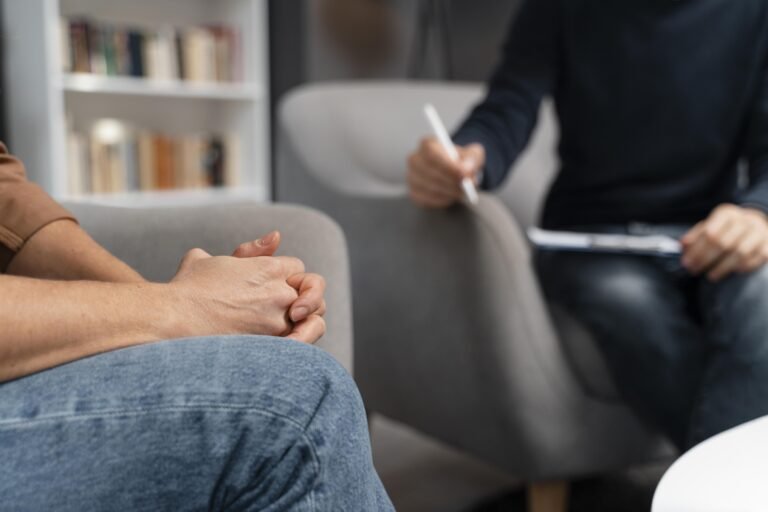
Emotional healing is just as important as physical recovery. Depression, anxiety, and frustration are common after a stroke. Counselling and psychological support help patients cope with emotional challenges and adjust to lifestyle changes. Family support and encouragement also play a key role in maintaining motivation and emotional balance throughout the recovery journey.
Physical Therapy and Movement Restoration
Physical therapy is often the foundation of stroke recovery. It focuses on restoring strength, coordination, balance, and mobility. After a stroke, muscles may become weak or stiff, making simple movements difficult. Physical therapists design targeted exercises that help retrain the body and improve control over affected limbs.
Therapy sessions usually begin with basic movements such as sitting, standing, and controlled walking. As progress continues, exercises become more advanced to improve endurance and coordination. Assistive devices like walkers or braces may be used temporarily to ensure safety. Over time, many patients regain enough strength to perform daily activities with greater ease.
In the mid phase of recovery, consistent STROKE REHABILITATION helps the brain form new pathways that support movement and balance. This process, known as neuroplasticity, allows the brain to compensate for damaged areas. Regular practice, guided by professionals, is essential to make these improvements lasting and functional in everyday life.
Role of Technology and Advanced Techniques
Modern rehabilitation has evolved with the help of advanced technology. Robotic assisted therapy, virtual reality exercises, and computer-based training programs are now commonly used to enhance recovery. These tools provide interactive and engaging ways to practice movements and cognitive tasks.
Technology allows therapists to track progress accurately and adjust treatment plans as needed. Repetitive and guided movements using advanced equipment help reinforce correct patterns and reduce the risk of injury. Patients often find these methods motivating, as they can clearly see improvements over time.
Alongside technology, personalized care remains essential. Advanced tools work best when combined with skilled therapists who understand each patient’s unique challenges. This balanced approach ensures that recovery is both effective and safe, leading to better long-term independence.
Long Term Care, Lifestyle Changes, and Conclusion
Recovery does not end when therapy sessions are completed. Long term care and lifestyle changes are important to maintain progress and prevent future strokes. Healthy eating, regular physical activity, stress management, and medication adherence all contribute to sustained recovery. Patients are encouraged to stay active and continue exercises at home as advised by their therapists.
Support from family and caregivers remains vital in the long run. Encouragement, patience, and understanding help stroke survivors stay motivated and confident. Follow up visits with healthcare professionals ensure that recovery stays on track and any new concerns are addressed early.
In the final stage of healing, ongoing STROKE REHABILITATION supports independence, confidence, and a better quality of life. With the right care, determination, and support system, stroke survivors can achieve meaningful recovery and return to a fulfilling daily routine.
Frequently Asked Questions
What is stroke rehabilitation and why is it important?
Stroke rehabilitation is a structured recovery process that helps individuals regain physical, cognitive, and emotional abilities after a stroke. It is important because it improves independence and overall quality of life.
How long does stroke recovery usually take?
Recovery time varies from person to person. Some may see improvement within weeks, while others may need months or longer depending on the severity of the stroke and consistency of therapy.
Can stroke patients fully recover?
Full recovery is possible for some individuals, while others may experience partial recovery. Early treatment, regular therapy, and a positive mindset greatly influence outcomes.
Is home based therapy effective after a stroke?
Yes, home based therapy can be effective when guided by professionals. It helps maintain progress and allows patients to practice skills in a familiar environment.
How can family members support stroke recovery?
Family members can support recovery by encouraging therapy participation, providing emotional support, assisting with daily activities, and helping maintain a healthy lifestyle.