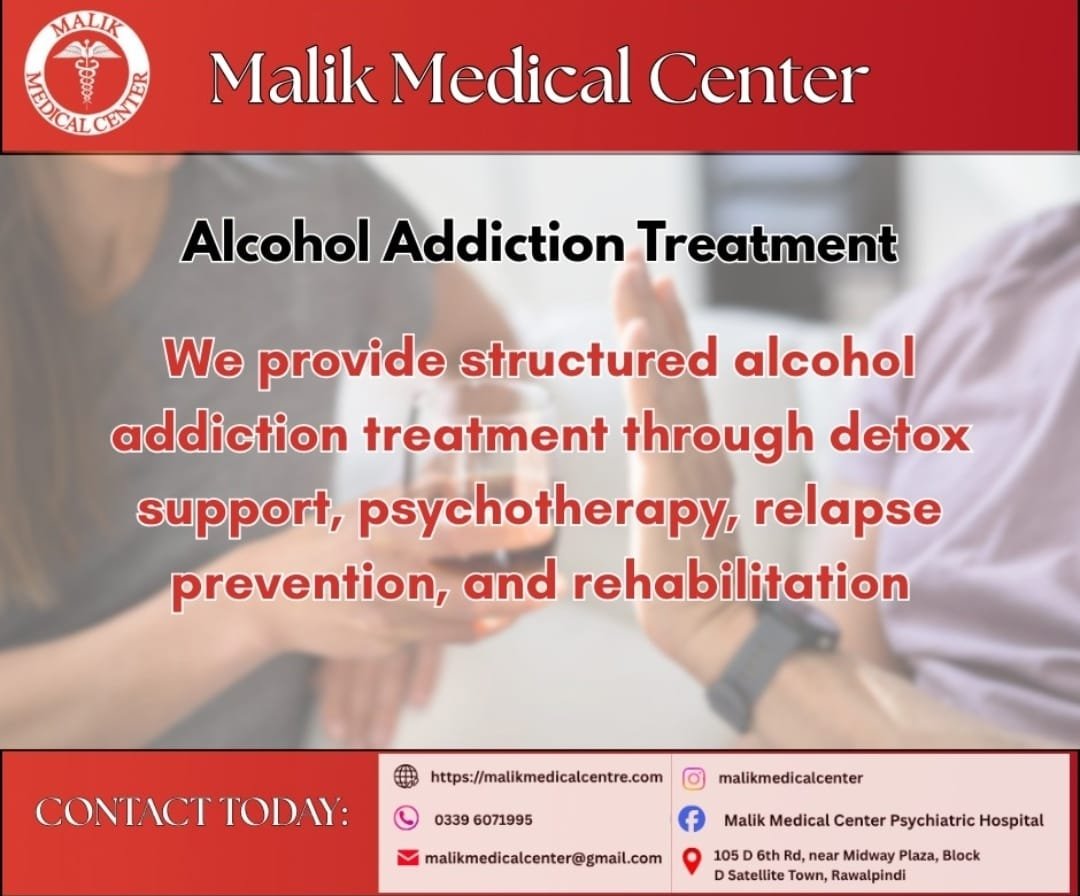
Complete Alcohol Abuse Treatment Services | Trusted Rehab Center
Alcohol abuse is a serious condition that slowly affects a person’s physical health, mental well-being, relationships, and overall quality of life. Many people start drinking socially, but over time it can turn into dependency without them realizing it. Families often notice changes such as mood swings, aggression, isolation, poor work performance, or health problems long before the person accepts there is an issue. Seeking alcohol abuse treatment early can prevent long-term damage and help individuals regain control of their lives.
Alcohol does not only harm the person consuming it. It also affects family members, children, friends, and coworkers. Financial stress, emotional pain, and broken trust are common consequences. In many cases, people delay treatment because of shame, fear, or misunderstanding about rehab services. It is important to know that alcohol abuse is a medical condition, not a moral failure. With the right support, recovery is possible at any stage.
A trusted rehab center provides a safe and structured environment where individuals can focus on healing. Professional treatment addresses both the physical addiction and the emotional causes behind alcohol use. This approach increases the chances of long-term recovery and helps people rebuild their lives with confidence.
Signs That Professional Alcohol Abuse Treatment Is Needed
Recognizing when alcohol use has crossed the line into abuse is not always easy. Many people believe they can stop anytime, even when clear warning signs are present. Common signs include drinking daily or heavily, needing alcohol to relax, hiding drinking habits, blackouts, and failed attempts to quit. Physical symptoms such as tremors, nausea, headaches, and sleep problems are also strong indicators.
Emotional and behavioral changes are equally important. Increased anger, anxiety, depression, or loss of interest in activities once enjoyed can signal dependency. When alcohol begins to interfere with work, studies, or family responsibilities, it is a clear sign that professional ALCOHOL ABUSE TREATMENT is needed.
A rehab center evaluates everyone carefully before starting treatment. This assessment helps determine the severity of addiction and any underlying mental health conditions. Early intervention reduces health risks and prevents complications such as liver disease, heart problems, and long-term mental health disorders. Seeking help is a sign of strength and self-awareness, not weakness.
Medical Detox and Safe Withdrawal Support
One of the most challenging parts of recovery is stopping alcohol use. Alcohol withdrawal can be uncomfortable and, in some cases, dangerous if not managed properly. Symptoms may range from mild anxiety and sweating to severe complications like seizures or delirium tremens. This is why medical detox is often the first step in professional treatment.
In a trusted rehab center, detox is supervised by trained medical staff who monitor vital signs and manage symptoms safely. Medications may be used to reduce discomfort and prevent serious complications. The goal of detox is not long-term recovery but stabilization, preparing the individual for the next phase of treatment.
Detox also provides emotional reassurance. Knowing that professionals are present 24/7 helps patients feel safe and supported. Once the body is free from alcohol, the mind becomes clearer, making therapy and counseling more effective. This stage builds a strong foundation for the recovery journey ahead.
Therapy, Counseling, and Behavioral Healing
After detox, the focus shifts to understanding why alcohol abuse started and how to prevent relapse. Therapy plays a central role in long-term recovery. Individual counseling allows patients to explore personal triggers, trauma, stress, or emotional pain that contributed to alcohol use. Group therapy offers shared experiences, encouragement, and a sense of belonging.
In the middle of the recovery process, structured programs help individuals develop coping skills and healthier habits. This is where ALCOHOL ABUSE TREATMENT becomes more than just stopping drinking. It becomes about changing thought patterns, managing emotions, and rebuilding self-esteem. Behavioral therapies help patients recognize negative thinking and replace it with positive, practical strategies.
Family counseling is also an important part of treatment. Alcohol abuse often damages relationships, and healing together strengthens the recovery process. Educating family members helps them provide support while maintaining healthy boundaries. A comprehensive therapy plan increases the chances of sustained sobriety and emotional balance.
Holistic Care and Lifestyle Recovery Support
True recovery involves more than medical treatment and counseling. Holistic care focuses on the whole person, including physical health, mental peace, and daily routine. Nutrition guidance helps restore the body after long-term alcohol use, which often causes vitamin deficiencies and weakened immunity. Regular meals and hydration support energy levels and healing.
Physical activities such as light exercise, yoga, or meditation improve mood and reduce stress. These practices teach patients healthy ways to relax without alcohol. Sleep routines are also addressed, as many individuals struggle with insomnia during early recovery. Learning how to manage stress is essential for preventing relapse.
Life skills training prepares individuals for life after rehab. This may include time management, communication skills, job readiness, and goal setting. By rebuilding structure and purpose, patients feel more confident about returning to everyday responsibilities. Holistic support ensures recovery is balanced, realistic, and sustainable.
Long-Term Recovery, Aftercare, and a New Beginning
Recovery does not end when a rehab program is completed. Long-term success depends on continued support and commitment. Aftercare programs help individuals transition back into daily life while maintaining sobriety. These may include follow-up counseling, support groups, relapse prevention planning, and regular check-ins with professionals.
A trusted rehab center understands that setbacks can happen and prepares patients to handle challenges without returning to alcohol. Ongoing guidance reinforces the skills learned during treatment. Over time, individuals rebuild trust, improve health, and rediscover goals they once thought were lost.
Choosing ALCOHOL ABUSE TREATMENT is a life-changing decision that opens the door to a healthier and more meaningful future. With the right care, support, and determination, recovery is not just possible but sustainable. Every step forward is a step toward a new beginning filled with clarity, stability, and hope.
Frequently Asked Questions (FAQs)
What is alcohol abuse treatment?
Alcohol abuse treatment is a structured program that helps individuals stop drinking, manage withdrawal, understand the causes of addiction, and build skills for long-term recovery.
Is medical detox always necessary?
Not always, but it is highly recommended for moderate to severe alcohol dependence to ensure safe withdrawal under medical supervision.
How long does alcohol abuse treatment take?
Treatment length varies depending on individual needs. Programs may last from a few weeks to several months, followed by ongoing aftercare.
Can family members be involved in treatment?
Yes, family counseling is often encouraged as it helps repair relationships and strengthens the recovery process.
What happens after completing rehab?
After rehab, aftercare support such as counseling, support groups, and relapse prevention plans helps maintain sobriety and long-term success.