Top Anxiety Medications in Pakistan: Options, Uses, and Safety
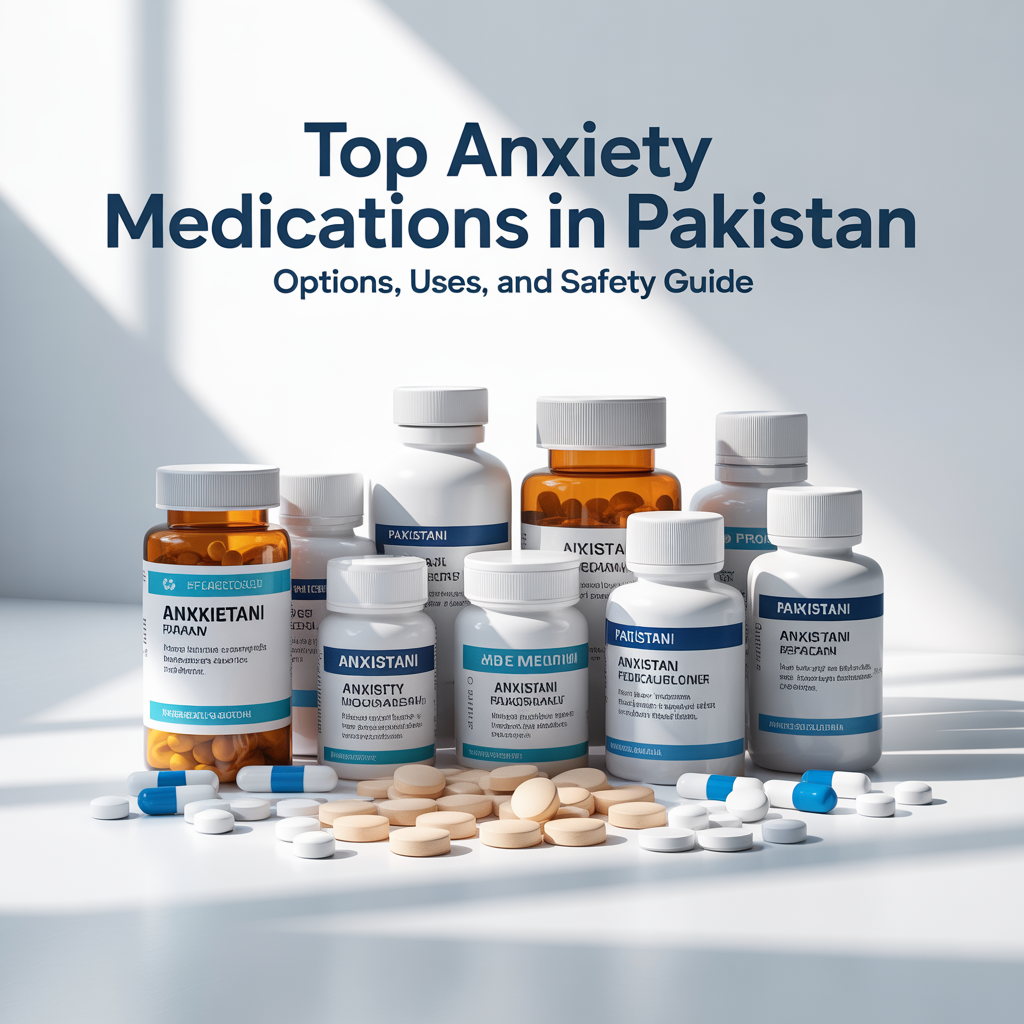
Anxiety has become a common health concern for many people in Pakistan. Stress from work, studies, finances, or relationships can make daily life difficult. When anxiety becomes overwhelming, doctors may prescribe medicines to help bring balance and calmness. In this guide, we take an easy-to-understand look at the Top Anxiety Medications in Pakistan: Options, Uses, and Safety, explaining how they work, who they help, and what you should know before starting them.
This article uses simple language and aims to give clear, helpful, and unique information without offering medical advice.
Understanding Anxiety and Its Treatment in Pakistan
Anxiety feels different for everyone. Some people experience constant worry, while others feel sudden fear without a clear reason. Common symptoms include fast heartbeat, shaky hands, difficulty sleeping, and a heavy feeling in the chest. In Pakistan, anxiety is often misunderstood, but more people are now seeking treatment, which is a positive change.
Medication is one part of treatment. Doctors usually combine it with therapy, lifestyle changes, and stress management. Different medicines work in different ways, and each has benefits and possible risks. The goal is not to remove all anxiety but to help people feel stable enough to live normally.
Types of Anxiety Medications Available in Pakistan
Many medicines used worldwide for anxiety are also available in Pakistan. These fall into a few major groups:
- SSRIs (Selective Serotonin Reuptake Inhibitors)
SSRIs are often the first choice for long-term anxiety treatment. These medicines usually take a few weeks to show benefits.
Examples commonly prescribed in Pakistan:
Sertraline
Escitalopram
Fluoxetine
Paroxetine
Doctors prefer SSRIs because they have fewer side effects compared to older medicines. They are used for panic disorder, generalized anxiety disorder (GAD), social anxiety, and long-term stress-related conditions.
- SNRIs (Serotonin-Norepinephrine Reuptake Inhibitors)
SNRIs work like SSRIs but also affect norepinephrine, another brain chemical linked to alertness and calmness.
Common SNRIs in Pakistan include:
Venlafaxine
Duloxetine
These medicines are helpful for people who need stronger support or who do not respond well to SSRIs.
- Benzodiazepines
These are fast-acting medicines that bring quick relief during severe anxiety or panic attacks. However, they can cause dependency if used for too long, so doctors prescribe them only for short periods.
Common benzodiazepines found in Pakistan:
Clonazepam
Alprazolam
Lorazepam
They help with sudden fear, physical tension, and intense restlessness, but they must be used cautiously.
- Beta-Blockers
These medicines help control physical symptoms like shaking hands, fast heartbeat, or sweating. They do not treat emotional anxiety but help people feel more in control during stressful events.
Common beta-blockers in Pakistan include:
Propranolol
Atenolol
These are often used before public speaking or exams for people with performance anxiety.
- Buspirone
Buspirone is a non-addictive medicine used for long-term anxiety. It works slowly but is safe for many people and has fewer side effects compared to benzodiazepines. It is commonly prescribed for generalized anxiety disorder.
How Doctors Choose the Right Anxiety Medicine
Doctors in Pakistan consider several things before prescribing medication. These include age, health condition, type of anxiety, past medical history, and how severe the symptoms are. Because every person responds differently, doctors may change the dosage or switch medicines until they find the best fit.
It is important not to stop taking anxiety medication suddenly. Doctors usually reduce the dose gradually to prevent withdrawal or worsening of symptoms.
Safety and Side Effects
As with any medication, anxiety medicines can cause side effects. These may include headache, sleep changes, upset stomach, or dizziness. However, some medicines require strict care. For example, benzodiazepines must not be mixed with alcohol, and SSRIs must be taken regularly to work properly.
People should always talk to a doctor if they feel unusual symptoms, mood changes, or discomfort after starting a new medicine. Buying medicines without a prescription in Pakistan can be risky, as the dosage may not be suitable.
Why Professional Guidance Matters
Even though information is easily available online, only a doctor can decide which medicine is safe for you. Self-medication can lead to unwanted reactions, overdose, or dependency. A trained psychiatrist or general physician can guide you with proper advice, follow-up sessions, and adjustments in your treatment.
The goal of anxiety medication is not only to reduce symptoms but also to improve overall quality of life. When used responsibly and with medical supervision, these medicines can help people feel calmer, more stable, and more in control.
This is why Top Anxiety Medications in Pakistan: Options, Uses, and Safety is a topic worth understanding. Improved awareness helps people make informed decisions and encourages them to seek help without fear.
FAQs
Here are some common questions people ask: Anxiety medicines in Pakistan are available only with a doctor’s prescription, and it is not safe to take them without medical advice; the time they take to work depends on the type—SSRIs and SNRIs may take weeks, while benzodiazepines work quickly; long-term use is safe only for medicines approved for long-term treatment, and doctors monitor dosage carefully; anxiety medicine does not cause addiction unless it belongs to the benzodiazepine group; and stopping medication suddenly can cause withdrawal symptoms, so doctors taper doses slowly.