Bipolar Disorder Treatment | Diagnosis, Medication & Therapy
Bipolar Disorder Treatment is the foundation of long-term stability for people living with bipolar disorder. This condition affects mood, energy, thinking, and daily functioning. A person may experience extreme emotional highs called mania or hypomania, followed by deep lows known as depression. These mood shifts are more intense than normal ups and downs and can interfere with relationships, work, and personal safety.
Bipolar disorder is not a weakness or a phase. It is a medical and psychological condition that needs proper attention. Many people delay care because they misunderstand the symptoms or feel stigma around mental health. Early support makes a big difference. With the right approach, individuals can learn to manage mood changes, recognize triggers, and live a balanced and productive life.
Treatment is not the same for everyone. It usually involves a mix of medical care, therapy, lifestyle adjustments, and family support. The goal is not just to control symptoms, but to help the person regain control over daily life. When bipolar disorder is treated correctly, long periods of stability are possible.
Signs, Symptoms, and Types of Bipolar Disorder
Bipolar disorder shows itself in different ways, which is why understanding symptoms is important. During manic or hypomanic episodes, a person may feel overly energetic, talk very fast, sleep very little, and have racing thoughts. They might take risky decisions related to money, driving, or relationships. Some people feel unusually confident or irritable during this phase.
Depressive episodes are the opposite. A person may feel extremely sad, tired, or hopeless. Simple tasks can feel overwhelming. Loss of interest, changes in appetite, sleep problems, and thoughts of worthlessness are common. In severe cases, there may be thoughts of self-harm, which require immediate professional help.
There are different types of bipolar disorder. Bipolar I include severe manic episodes that may require hospitalization. Bipolar II involves milder mania but deeper depression. Cyclothymic disorder causes ongoing mood swings that are less severe but long lasting. Because symptoms can overlap with depression or anxiety, many people are misdiagnosed at first. That is why professional assessment is essential.
Proper BIPOLAR DISORDER TREATMENT depends on identifying the correct type and understanding how symptoms appear over time. This helps doctors and therapists create a plan that truly fits the individual.
Diagnosis Process and Professional Evaluation
Diagnosing bipolar disorder takes time and careful evaluation. There is no single lab test that can confirm it. Mental health professionals rely on detailed interviews, medical history, family history, and observation of mood patterns. They may ask about sleep, energy levels, behavior changes, and emotional experiences over weeks or months.
Sometimes physical tests are done to rule out other conditions like thyroid problems or vitamin deficiencies that can affect mood. A clear diagnosis is important because treatment for bipolar disorder is different from treatment for depression alone. Using the wrong medication can worsen symptoms.
Doctors may also involve family members, with permission, to better understand mood changes. Keeping a mood journal can help track patterns and triggers. Diagnosis is not about labeling someone. It is about understanding what is happening and finding the right support.
Once the diagnosis is clear, the treatment journey becomes more focused. At this stage, a personalized plan is created that balances medication, therapy, and daily routine changes.
Medication Options and How They Help
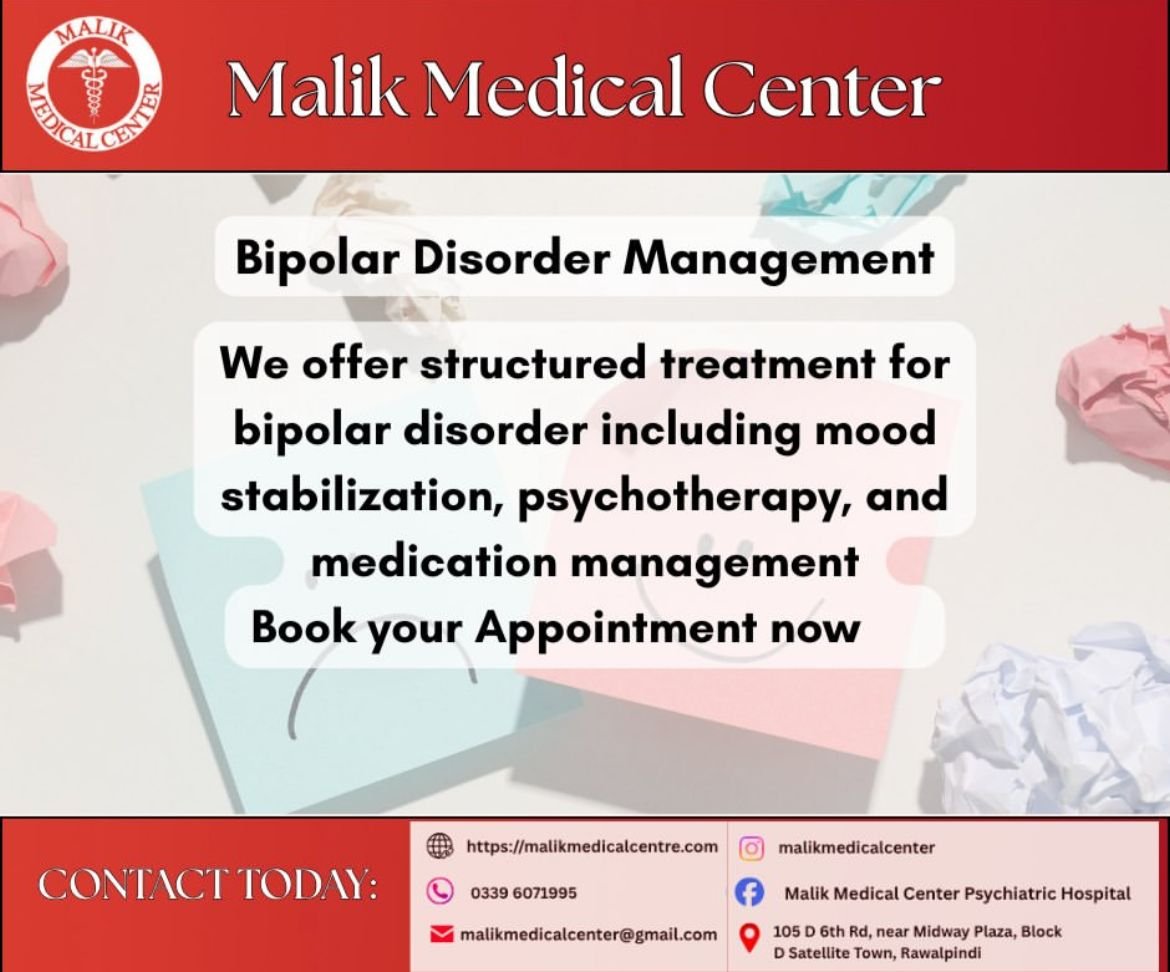
Medication plays a major role in managing bipolar disorder. It helps stabilize mood and reduce the intensity of manic and depressive episodes. Mood stabilizers are commonly prescribed and are often the long-term base of treatment. These medicines help prevent extreme mood swings and maintain balance.
In some cases, doctors may prescribe antipsychotic medications, especially during manic episodes. Antidepressants are used carefully and usually alongside mood stabilizers to avoid triggering mania. Finding the right medication can take time. Dosages may need adjustment, and side effects should be discussed openly with the doctor.
Regular follow ups are important. Stopping medication suddenly can cause relapse or severe mood episodes. Patients should never change or stop medicines without medical advice. When taken consistently, medication allows many people to return to work, studies, and normal social life.
In the middle of the recovery journey, BIPOLAR DISORDER TREATMENT through medication often brings the first sense of emotional stability. This stability then makes therapy and lifestyle changes more effective.
Therapy, Counseling, and Daily Coping Skills
Therapy is just as important as medication. It helps individuals understand their condition, manage stress, and build healthy routines. Cognitive behavioral therapy is commonly used to identify negative thought patterns and replace them with healthier responses. It also helps people recognize early warning signs of mood changes.
Psychoeducation teaches patients and families about bipolar disorder. Understanding the illness reduces fear and improves cooperation with treatment. Family therapy can improve communication and reduce conflict at home, which is especially helpful during recovery.
Lifestyle habits play a big role in mood stability. Regular sleep, balanced meals, exercise, and avoiding alcohol or drugs can reduce mood swings. Stress management techniques like mindfulness, breathing exercises, and structured daily schedules help maintain balance.
Support groups also offer comfort. Talking to others who share similar experiences can reduce isolation and provide practical coping tips. Therapy is not about fixing someone. It is about empowering them with tools to manage life more confidently.
Long Term Recovery, Support, and Hope
Living with bipolar disorder is a long-term journey, not a short process. There may be setbacks, but that does not mean treatment has failed. Ongoing care, regular check-ups, and strong support systems help people stay on track. Family understanding and patience play a big role in recovery.
Education and self-awareness improve over time. Many individuals learn to recognize early signs of mood changes and seek help before symptoms become severe. Work, relationships, and personal goals are achievable with the right support.
In the final stage of care, BIPOLAR DISORDER TREATMENT focuses on maintaining stability and quality of life. With proper diagnosis, consistent medication, therapy, and healthy habits, people with bipolar disorder can live fulfilling and meaningful lives.
Frequently Asked Questions
What is bipolar disorder?
Bipolar disorder is a mental health condition marked by extreme mood changes, including emotional highs and lows that affect daily functioning.
Is bipolar disorder curable?
There is no permanent cure, but it is highly manageable with proper treatment and long-term care.
How long does treatment take?
Treatment is usually ongoing. Many people see improvement within weeks or months, but continued care helps prevent relapse.
Can someone live a normal life with bipolar disorder?
Yes. With the right medical care, therapy, and lifestyle adjustments, many people lead stable and productive lives.
Is therapy necessary if medication works?
Yes. Therapy helps build coping skills, improve self-awareness, and support long term emotional balance.