Top Rehabilitation Techniques for Faster Recovery
Top Rehabilitation Techniques for Faster Recovery
Recovery after an injury, illness, or surgery can be a long and emotional journey. Rehabilitation therapy plays a vital role in helping people regain their strength, balance, and confidence. With the right techniques, recovery can become faster and smoother, allowing individuals to return to their normal routines and enjoy a better quality of life. In this article, we will explore the top rehabilitation techniques that are widely used by therapists to help people heal effectively and safely.
1. Physical Therapy for Strength and Mobility
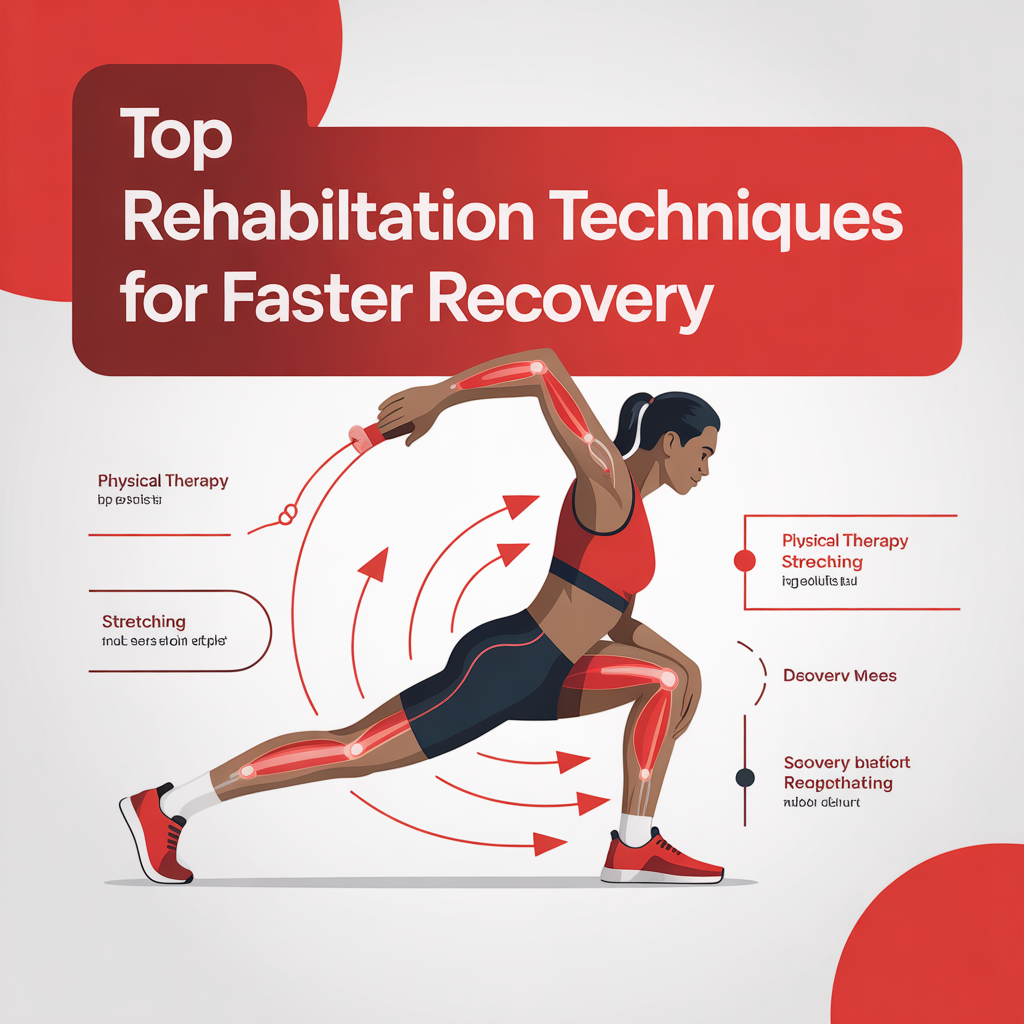
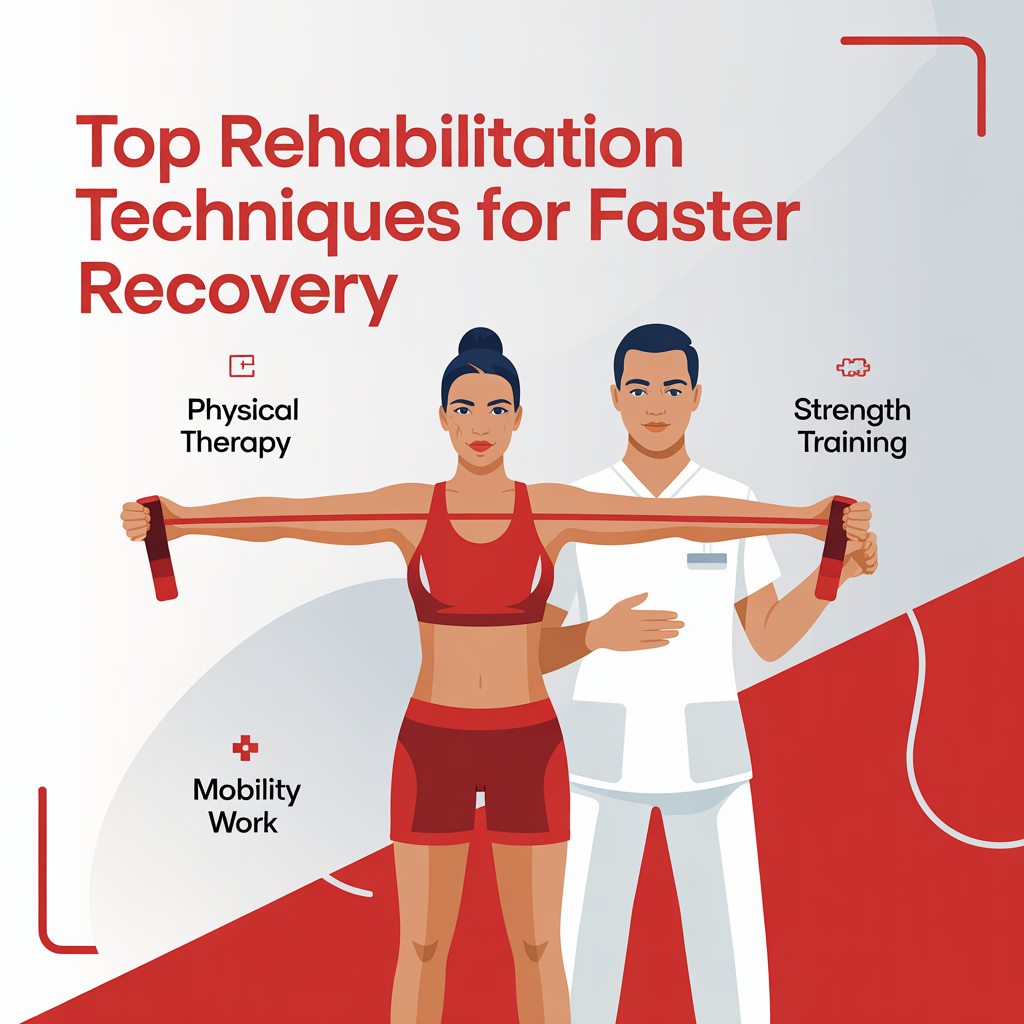
Physical therapy is one of the most common forms of rehabilitation. It focuses on improving movement, reducing pain, and rebuilding muscle strength. A physical therapist designs special exercises to match a person’s specific needs. For example, if someone has knee pain, they may start with simple leg stretches and gradually move to resistance exercises. Regular sessions help increase flexibility and prevent stiffness in the joints. Over time, physical therapy not only speeds up recovery but also reduces the chances of future injuries.
2. Occupational Therapy for Daily Living Skills
Occupational therapy helps individuals relearn daily activities such as dressing, cooking, or using a computer after an injury or illness. The goal is to make patients as independent as possible in their personal and professional lives. Therapists often use practical tasks to rebuild coordination and problem-solving skills. For example, after a stroke, a patient may learn new ways to hold utensils or adapt their home for easier movement. Occupational therapy is especially helpful for those recovering from neurological conditions or hand injuries.
3. Hydrotherapy for Gentle Healing
Hydrotherapy, or water therapy, uses the soothing properties of water to help patients exercise without putting pressure on their joints. The water’s buoyancy supports body weight, allowing for gentle movement even in cases of pain or weakness. Warm water also helps relax muscles and improve blood flow, speeding up the healing process. Hydrotherapy is often used for patients with arthritis, spinal injuries, or sports-related injuries. It provides a safe and comfortable way to regain strength and confidence.
4. Massage Therapy for Pain Relief
Massage therapy is not only relaxing but also beneficial for rehabilitation. It improves circulation, reduces muscle tension, and enhances flexibility. Therapists use different techniques such as deep tissue massage or trigger point therapy to release stiffness and promote healing. Regular massages can help reduce swelling, improve sleep quality, and lower stress levels — all of which support faster recovery. Many rehabilitation centers combine massage with physical therapy to achieve better results.
5. Electrical Stimulation Therapy
Electrical stimulation, often known as e-stim, is a technique where mild electrical currents are sent through the muscles to trigger contractions. This helps maintain muscle tone, improve strength, and reduce pain. It is especially helpful for patients who have limited mobility due to injury or surgery. The stimulation encourages blood flow and prevents muscle atrophy during the recovery period. When used under professional supervision, this therapy can significantly speed up the healing process.
6. Speech and Language Therapy
For individuals recovering from brain injuries, strokes, or neurological conditions, speech therapy is essential. It helps restore the ability to speak, understand language, and improve swallowing functions. Speech therapists use a variety of exercises, such as repetition drills and communication games, to rebuild language and cognitive skills. Progress may take time, but with consistent effort, patients often regain clear speech and confidence in communication.
7. Manual Therapy and Joint Mobilization
Manual therapy involves hands-on techniques to move muscles and joints. Therapists use gentle pressure to restore motion, reduce stiffness, and improve overall mobility. Joint mobilization can be especially useful after surgeries or fractures, where movement has been limited for a long time. It helps restore natural body alignment and improves the range of motion. When combined with exercises, manual therapy promotes a balanced and functional recovery.
8. Cognitive Rehabilitation Therapy
Sometimes, recovery isn’t just about the body — it’s also about the mind. Cognitive rehabilitation therapy focuses on improving memory, concentration, and problem-solving skills. It’s often used for people recovering from traumatic brain injuries or neurological disorders. Therapists may use memory games, puzzles, and real-life practice to strengthen brain function. A strong mind supports faster physical recovery because mental motivation plays a huge role in healing.
9. Balance and Coordination Training
After an injury, especially one affecting the legs or spine, balance can become a challenge. Balance and coordination training helps rebuild stability and prevent falls. Exercises may include standing on one leg, using balance boards, or walking in a straight line. This type of training is essential for elderly patients and athletes alike. Regaining good balance not only boosts physical confidence but also reduces the risk of re-injury.
10. Home Exercise Programs
Rehabilitation doesn’t end when therapy sessions do. Home exercise programs allow patients to continue their recovery independently. Therapists design simple exercises that can be done safely at home. These routines help maintain progress, prevent stiffness, and keep muscles active. Consistency is the key — even a few minutes of daily activity can make a big difference in long-term recovery.
Putting It All Together
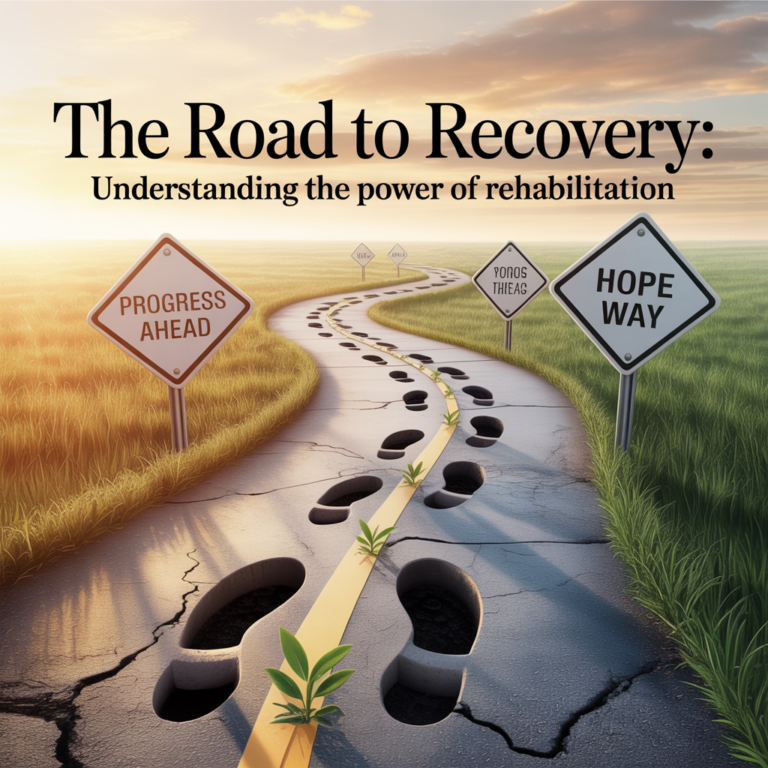
All these methods, from physical and occupational therapy to hydrotherapy and electrical stimulation, share a common goal — to help patients heal faster and regain control over their lives. The Top Rehabilitation Techniques for Faster Recovery are effective because they focus on personalized care. Every patient’s body and condition are unique, so combining different therapies often leads to the best results. With patience, consistency, and expert guidance, rehabilitation becomes a journey of empowerment and hope.
FAQs
People often ask questions about rehabilitation such as: How long does rehabilitation therapy take? The duration depends on the type and severity of the injury but consistent effort usually shows results within weeks. Can therapy help older adults recover faster? Yes, it can improve balance, strength, and mobility at any age. Is pain normal during rehab sessions? Mild discomfort can occur, but therapists adjust exercises to prevent severe pain. Are home exercises as effective as clinic sessions? They are a great supplement when done correctly. What is the best technique for sports injuries? Physical therapy combined with massage and balance training works best for athletes aiming for a safe and speedy return.