Depression Treatment Options: What Really Works for Long-Term Recovery
Depression is more than feeling sad for a few days. It is a deep and ongoing condition that affects thoughts, emotions, energy levels, sleep, and even physical health. Many people struggle silently, thinking they should just “snap out of it,” but depression does not work that way. It often builds slowly and can stay for months or years if not addressed properly. This is why depression treatment is not only about feeling better today, but also about building a path toward long-term recovery.
Long-term recovery means learning how to manage symptoms, prevent relapses, and regain control over daily life. It is not a quick fix or a one-size-fits-all solution. What works for one person may not work for another. Some people need therapy, others need medication, and many benefit from a mix of different approaches. The key is understanding depression as a real health condition that deserves care, patience, and the right support system.
Another important point is that recovery does not mean never feeling sad again. Life will always have ups and downs. Recovery means being able to cope with those emotions without falling back into a deep depressive state. With the right knowledge and support, people can live full, meaningful lives even after struggling with depression.
Professional Help and Clinical Care Options
Seeking professional help is often the first major step toward healing. Doctors, psychologists, and psychiatrists are trained to understand depression and guide patients through safe and effective care plans. In many cases, DEPRESSION TREATMENT begins with a proper diagnosis. This may include discussing symptoms, personal history, and any triggering life events.
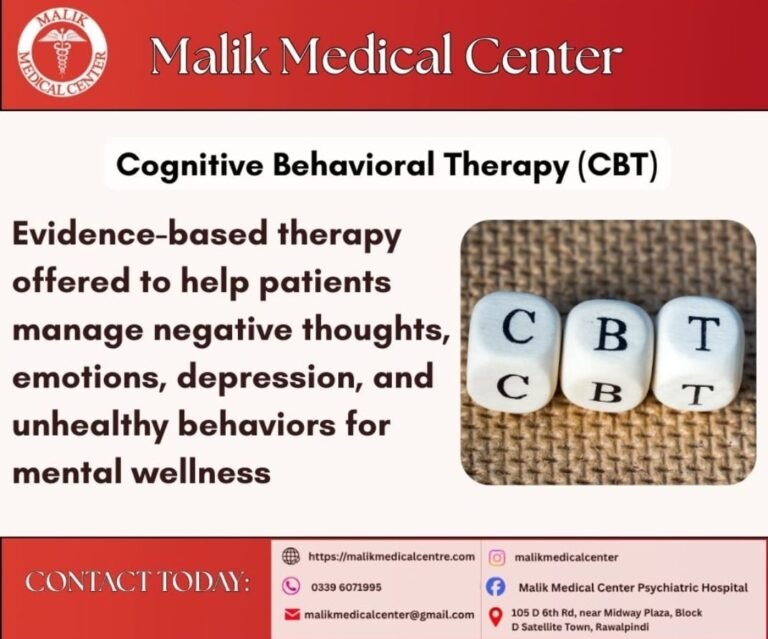
One common approach is psychotherapy, also known as talk therapy. Cognitive Behavioral Therapy, or CBT, is widely used and focuses on identifying negative thought patterns and replacing them with healthier ones. Other therapy types include interpersonal therapy, which works on improving relationships, and psychodynamic therapy, which explores past experiences and emotional conflicts. Therapy helps people understand themselves better and develop coping skills that last long after sessions end.
Medication is another option, especially for moderate to severe depression. Antidepressants work by balancing brain chemicals related to mood and emotions. They do not change personality or erase feelings, but they can help reduce symptoms enough for therapy and daily activities to become manageable. It is important to note that medication takes time to work and should always be taken under medical supervision.
In more severe cases, structured programs such as outpatient care or short-term inpatient treatment may be recommended. These settings provide close monitoring, routine, and intensive support. While the idea of clinical care can feel overwhelming, it often provides a safe environment where healing can truly begin.
Therapy Beyond the Basics and Emotional Healing
Therapy is not just about talking. It is about learning how to respond differently to stress, emotions, and life challenges. Over time, therapy helps people build emotional awareness and resilience. Many individuals discover that their depression is connected to unresolved grief, trauma, or long-term stress.
Group therapy can also be powerful. Sharing experiences with others who understand what depression feels like can reduce loneliness and shame. It reminds people that they are not weak or broken, just human. Family therapy may help when relationships contribute to stress or misunderstandings.
Another growing area is mindfulness-based therapy. This approach teaches people to stay present and observe thoughts without judging them. Instead of fighting negative thoughts, people learn to let them pass. This skill can be life-changing, especially for those who feel stuck in constant overthinking.
Healing emotionally takes time. Some weeks feel hopeful, others feel heavy. That is normal. What matters is consistency and openness to the process. Therapy gives people tools they can use for the rest of their lives, not just during a depressive episode.
Lifestyle Changes That Support Mental Health
While professional care is essential, daily habits play a huge role in recovery. Small lifestyle changes, when practiced regularly, can support mental health in powerful ways. Sleep is one of the most important factors. Poor sleep can worsen depression, while a steady sleep routine can improve mood and energy.
Physical activity is another key element. Exercise releases natural chemicals in the brain that improve mood and reduce stress. This does not mean intense workouts. Even a daily walk can make a difference over time. Nutrition also matters. A balanced diet supports brain health and stabilizes energy levels.
Reducing alcohol and avoiding recreational drugs is important, as these substances can increase depressive symptoms and interfere with treatment. Building a simple daily routine can also help. Depression often removes structure from life, and routine brings a sense of control and purpose back.
Social connection is just as important. Depression encourages isolation, but gentle social contact can slowly rebuild emotional strength. This might mean talking to a trusted friend, joining a support group, or spending time with family. In the middle of recovery, combining lifestyle improvements with DEPRESSION TREATMENT can create stronger and longer-lasting results.
Alternative and Complementary Approaches
Many people explore alternative or complementary approaches alongside traditional care. These methods are not replacements for professional treatment, but they can enhance overall well-being. Practices like yoga, meditation, and breathing exercises help calm the nervous system and reduce stress.
Creative outlets such as art, music, or writing can also be healing. They provide a way to express emotions that may be difficult to put into words. Spending time in nature has been shown to improve mood and reduce anxiety. Even short breaks outdoors can bring mental relief.
Some people investigate supplements or herbal remedies. While certain supplements may support mood, it is important to speak with a healthcare provider before using them. Not all natural products are safe, and some can interact with medication.
The goal of complementary approaches is to support the mind and body together. When used wisely and safely, they can make the recovery journey feel more balanced and personal.
Building a Sustainable Path to Long-Term Recovery
Long-term recovery is not a straight line. There will be progress, setbacks, and moments of doubt. What matters is learning how to respond when symptoms return. Early awareness of warning signs allows people to seek help before depression becomes overwhelming again.
Creating a personal recovery plan is helpful. This might include regular therapy sessions, healthy routines, supportive relationships, and stress management techniques. Keeping track of moods and triggers can also provide valuable insight.
It is important to celebrate small wins. Getting out of bed, completing a task, or reaching out for help are all signs of strength. Recovery is not about perfection. It is about persistence and self-compassion.
In the end, DEPRESSION TREATMENT works best when it is personalized, consistent, and supported by both professional care and everyday self-care. With time, patience, and the right support, long-term recovery is not only possible but achievable.
FREQUENTLY ASKED QUESTIONS (FAQs)
What is the most effective treatment for depression?
There is no single answer because effectiveness depends on the individual. Many people benefit from a combination of therapy and medication, while others improve with therapy alone and lifestyle changes.
How long does depression treatment usually take?
Treatment length varies. Some people feel improvement within a few weeks, while others need several months or longer. Long-term recovery often involves ongoing self-care and support.
Can depression be treated without medication?
Yes, mild to moderate depression can sometimes be managed with therapy, lifestyle changes, and stress management. Severe cases often require medication alongside therapy.
Is relapse common after recovery?
Relapse can happen, but learning coping skills and recognizing early signs reduces the risk. Ongoing support greatly improves long-term outcomes.
When should someone seek professional help?
If symptoms last more than two weeks, interfere with daily life, or include thoughts of self-harm, professional help should be sought immediately.