Ice Nasha Addiction Treatment Center | Professional Rehab Care
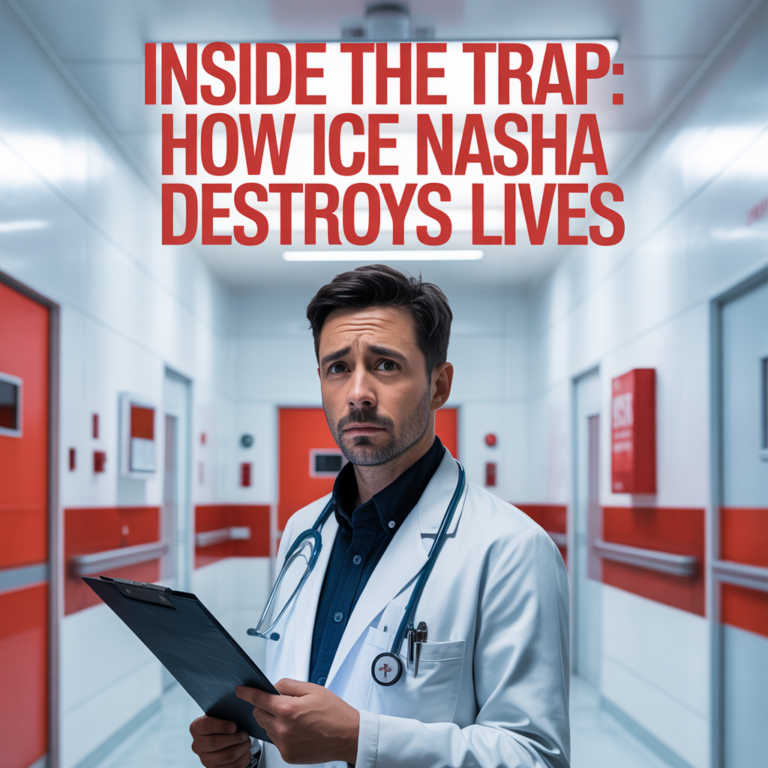
Drug addiction is a growing challenge that affects individuals, families, and entire communities. One of the most dangerous and fast spreading substances today is crystal meth, commonly known as ice. This drug has severe physical, psychological, and social effects, and quitting without professional help is extremely difficult. People struggling with ice nasha often feel trapped in a cycle of cravings, guilt, and health problems. A professional addiction treatment center provides the structure, medical care, and emotional support needed to break this cycle and start a new life.
Many individuals hesitate to seek help due to fear, shame, or lack of awareness about treatment options. However, addiction is not a moral failure. It is a medical and psychological condition that requires proper care. With the right rehab program, recovery is possible, and people can regain control over their lives, relationships, and future.
Understanding Ice Nasha Addiction and Its Impact
Ice, or crystal meth, is a powerful stimulant that directly affects the brain. It creates intense feelings of energy, confidence, and pleasure, but these effects are short lived. Over time, the brain becomes dependent on the drug to feel normal. This is how addiction develops.
People addicted to ice may experience rapid weight loss, sleep problems, mood swings, paranoia, anxiety, aggression, and memory issues. Long term use can damage the heart, brain, teeth, and skin. It also increases the risk of depression, psychosis, and suicidal thoughts.
The social impact is equally severe. Addiction often leads to broken relationships, job loss, financial problems, and isolation. Families feel helpless watching their loved one change physically and emotionally. Understanding that ICE NASHA is a serious health condition is the first step toward recovery. Awareness helps reduce stigma and encourages people to seek timely professional help instead of suffering in silence.
Why Professional Rehab Care Is Necessary
Quitting ice without medical and psychological support can be dangerous and rarely successful. Withdrawal symptoms may include extreme fatigue, depression, anxiety, intense cravings, and sleep disturbances. These symptoms can push a person back into drug use if not properly managed.
Professional rehab centers provide a safe and structured environment where patients can detox under medical supervision. Doctors and trained staff monitor physical and mental health, manage withdrawal symptoms, and reduce discomfort. This greatly lowers the risk of relapse during the early stages of recovery.
A structured rehab program also addresses the root causes of addiction. Many individuals turn to drugs due to stress, trauma, emotional pain, or mental health conditions. Through therapy and counseling, patients learn healthier ways to cope with life challenges.
Psychological Healing and Behavioral Therapy
Addiction is not just physical. It deeply affects the mind. Long term recovery depends on psychological healing and behavior change. In the middle of the recovery journey, therapy plays a crucial role in helping patients understand themselves better.
Therapists help patients identify the thoughts and emotions that lead to drug use. Trauma, low self-esteem, peer pressure, or untreated mental health issues are often linked to addiction. Addressing these factors reduces the risk of relapse.
Behavioral therapies teach practical skills. Patients learn how to avoid triggers, manage stress, and handle difficult emotions. Group therapy creates a sense of connection, reminding patients they are not alone in their struggle with ICE NASHA.
Over time, therapy helps rebuild confidence, emotional balance, and decision-making skills. Patients begin to see a future beyond addiction, which motivates them to stay committed to recovery.
Treatment Process at an Ice Nasha Addiction Treatment Center
A quality addiction treatment center follows a step-by-step approach tailored to each patient’s needs. Recovery is not the same for everyone, so personalized care plans are essential.
The first stage is assessment. Doctors and therapists evaluate the patient’s physical health, mental condition, addiction history, and social background. This helps create an effective treatment plan.
The next stage is detoxification. During detox, the drug is safely removed from the body. Medical supervision ensures that withdrawal symptoms are managed properly. Patients are supported both physically and emotionally during this phase.
After detox, the focus shifts to rehabilitation. This includes individual therapy, group counseling, and behavioral therapy. Patients learn about addiction, triggers, and relapse prevention. They develop coping skills to handle cravings, stress, and emotional pain without using drugs.
Family counseling is often included to repair relationships and educate loved ones about addiction. Recovery becomes stronger when families are involved in a supportive and informed way.
Life After Rehab and Relapse Prevention
Completing a rehab program is a major achievement, but recovery does not end there. Life after rehab requires ongoing effort, support, and self-awareness. A good treatment center prepares patients for this phase.
Relapse prevention plans are developed before discharge. Patients learn how to recognize early warning signs and what steps to take if cravings return. Follow up therapy sessions, support groups, and regular check-ups help maintain progress.
Healthy routines are encouraged. Proper sleep, balanced nutrition, physical activity, and stress management all support long term recovery. Patients are guided on rebuilding careers, education, and social connections at a comfortable pace.
In the final stage of decision making, choosing a trusted ICE NASHA addiction treatment center can change the direction of a person’s life. Professional rehab care offers safety, understanding, and long-term support for lasting recovery. Taking the first step today can lead to a healthier, drug free future built on strength, hope, and renewed purpose.
FREQUENTLY ASKED QUESTIONS (FAQs)
Is ice addiction treatable?
Yes. With professional rehab care, therapy, and support, recovery is possible.
How long does treatment usually take?
Treatment duration varies depending on addiction severity and individual progress. It may range from a few weeks to several months.
Is treatment confidential?
Yes. Professional rehab centers maintain strict confidentiality to protect patient privacy.
Can family members be involved in treatment?
Yes. Family counseling is often part of the recovery process and improves outcomes.
What happens if someone relapses?
Relapse is a risk in recovery, but it does not mean failure. Prompt support and treatment adjustments help patients get back on track.