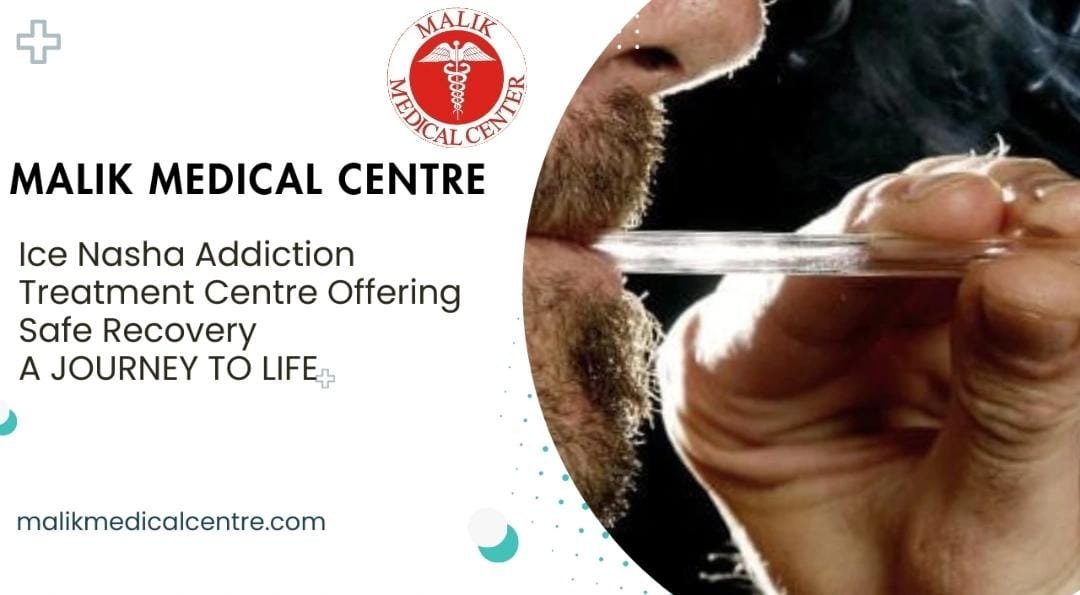
Ice Nasha Addiction Treatment Centre Offering Safe Recovery
Ice nasha addiction has become a serious concern due to its powerful effects on the brain and body. Often known for creating intense energy and false confidence, this substance quickly takes control of a person’s thoughts, emotions, and behavior. What may start as curiosity or peer pressure can turn into dependency within a short time. Seeking help from a treatment centre that understands ice nasha addiction is essential for preventing long-term damage and restoring stability.
This addiction affects judgment, sleep, appetite, and emotional balance. People may experience extreme mood swings, paranoia, aggression, or emotional numbness. Over time, personal relationships suffer, work performance declines, and physical health weakens. Many individuals feel trapped, knowing the harm but struggling to stop. Understanding the nature of this addiction is the first step toward recovery and safety.
Why Professional Treatment Is Necessary for Ice Addiction
Quitting ice nasha without professional help can be dangerous. Withdrawal symptoms often include severe anxiety, depression, exhaustion, and intense cravings. These symptoms make relapse highly likely when individuals try to recover alone. A professional treatment centre provides medical supervision and emotional support to manage ICE NASHA withdrawal safely and effectively.
Professional treatment is essential for ice addiction because the drug is highly addictive and can cause severe physical and mental health problems. Withdrawal can be intense and dangerous, with symptoms like anxiety, depression, and fatigue. Expert care provides medical supervision, therapy, and counselling to safely manage these effects, address underlying issues, and build coping skills. It also supports long-term recovery, helping individuals regain control, prevent relapse, and restore a healthy daily routine.
Professional care focuses on stabilizing both the body and mind. Medical staff monitor physical symptoms while mental health professionals address emotional distress. This combined approach reduces risk and helps individuals feel supported rather than overwhelmed. Treatment centres also remove access to substances and triggers, giving the brain time to heal. This protected environment allows recovery to begin without constant temptation or fear.
Rebuilding Daily Structure and Healthy Habits
Addiction often disrupts daily life, leaving individuals without routine or purpose. Treatment centres focus on rebuilding structure through organized schedules and healthy habits. Regular sleep, balanced meals, and planned activities help restore physical strength and emotional balance. These routines reduce anxiety and create a sense of normalcy.
Patients also learn practical life skills that support independence. Stress management, communication, and problem-solving are practiced in a supportive setting. As confidence grows, individuals begin to trust themselves again. Structure is especially important because uncertainty and boredom often trigger relapse. A stable routine helps individuals stay focused on recovery goals.
Over time, healthy habits replace destructive patterns. Patients begin to experience clearer thinking, improved mood, and renewed motivation. These changes reinforce commitment to recovery and prepare individuals for life after treatment.
Therapy and Medical Care Working Together
Effective recovery from ice addiction requires more than detox alone. Therapy helps individuals understand why they turned to substances and how to cope without them. Individual counselling allows patients to explore emotional pain, stress, or trauma that may have contributed to addiction. Through therapy, individuals learn healthier ways to manage emotions and challenges.
Group therapy is equally important. Sharing experiences with others facing similar struggles builds connection and reduces isolation. Many individuals feel shame about addiction, but group sessions remind them they are not alone. In the middle of treatment, continued care for ICE NASHA addiction helps individuals face cravings and emotional discomfort without returning to substance use.
Medical care supports therapy by addressing sleep problems, mood instability, and physical weakness. Together, therapy and medical supervision create a balanced recovery process that strengthens both mental and physical health.
Family Support and Long-Term Recovery Planning
Ice addiction affects families deeply. Loved ones may feel helpless, confused, or emotionally exhausted. Involving families in treatment helps rebuild trust and understanding. Family education sessions explain addiction, recovery expectations, and healthy communication. When families understand the condition, they can offer support without judgment.
Strong family support reduces relapse risk and improves emotional stability. Loved ones learn how to encourage recovery while maintaining healthy boundaries. This balanced approach creates a supportive home environment after treatment.
Long-term recovery planning is essential for lasting success. Aftercare programs, follow-up therapy, and support groups help individuals continue progress. Planning for triggers and challenges prepares individuals for real-life situations. Recovery is an ongoing process that requires continued care and awareness.
Moving Forward Toward a Drug-Free and Stable Life
Recovery from ice addiction is challenging, but it is possible with the right support. Individuals who complete treatment often rediscover clarity, emotional strength, and purpose. Choosing professional care for ice nasha addiction provides the tools needed to face life without substances.
As recovery continues, individuals rebuild relationships, improve health, and regain confidence. They learn to recognize early warning signs and respond with healthy coping strategies. Many people reflect on their journey and realize that seeking help for ICE NASHA addiction was the turning point that allowed them to move forward with stability, dignity, and renewed hope.
Frequently Asked Questions (FAQs)
What is ice nasha addiction?
It is a dependency on a stimulant drug that affects the brain, behavior, and emotional control.
Is ice nasha withdrawal dangerous?
Yes, withdrawal can cause severe emotional and physical symptoms without medical supervision.
How long does treatment usually take?
Treatment length varies depending on individual needs and severity of addiction.
Can therapy really help with addiction?
Yes, therapy addresses emotional triggers and builds coping skills for long-term recovery.
Can family involvement improve recovery outcomes?
Yes, informed family support greatly strengthens recovery.
Is relapse common in ice addiction recovery?
Relapse can happen, but ongoing support and aftercare reduce the risk.