Rehabilitation Breakthroughs: Tools and Techniques Changing Lives
Introduction
Rehabilitation is one of the most powerful parts of healthcare because it helps people regain their strength, confidence, and independence after an injury, illness, or surgery. Over the years, many new tools, modern devices, and smart techniques have changed the way therapists support patients. These advances make recovery faster, safer, and more comfortable. The goal of rehabilitation today is not only to heal the body but also to support the mind and emotions of patients who are working to rebuild their lives. In this content, the title Rehabilitation Breakthroughs: Tools and Techniques Changing Lives will be used four times while explaining the latest breakthroughs in a simple and easy way.
Understanding the Purpose of Rehabilitation
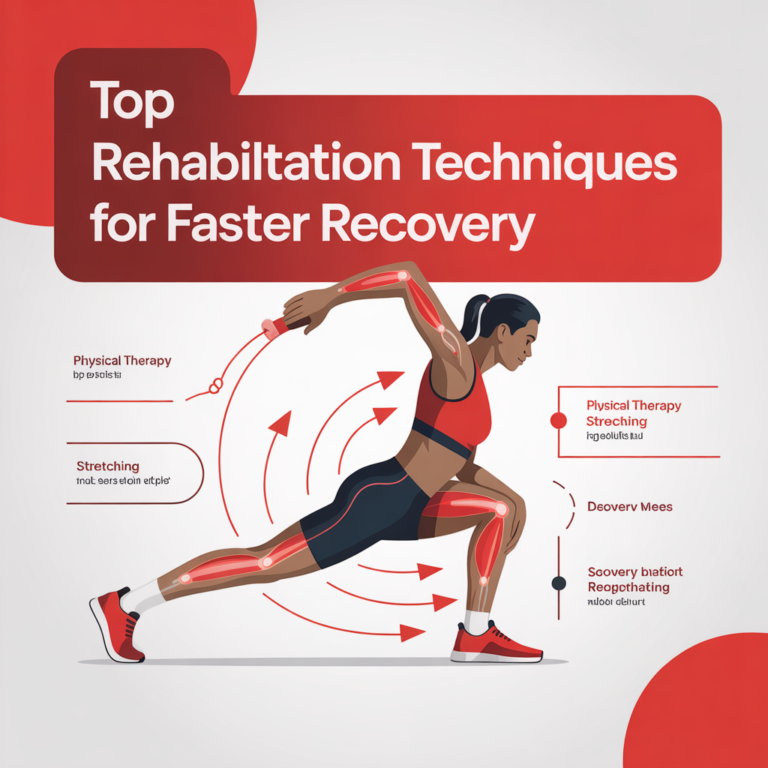
Rehabilitation focuses on helping a person return to their best possible level of physical, mental, and emotional function. It is used for all kinds of conditions such as broken bones, strokes, sports injuries, back pain, heart problems, and even long-term illnesses. While old rehab methods mainly focused on exercise and basic therapy, today’s world uses advanced tools, digital technology, and personalized treatment plans. These improvements create a smoother experience for patients and give them better results. In the journey of healing, the phrase Rehabilitation Breakthroughs: Tools and Techniques Changing Lives becomes meaningful because new tools truly make a difference.
Modern Tools Making Rehabilitation Easier
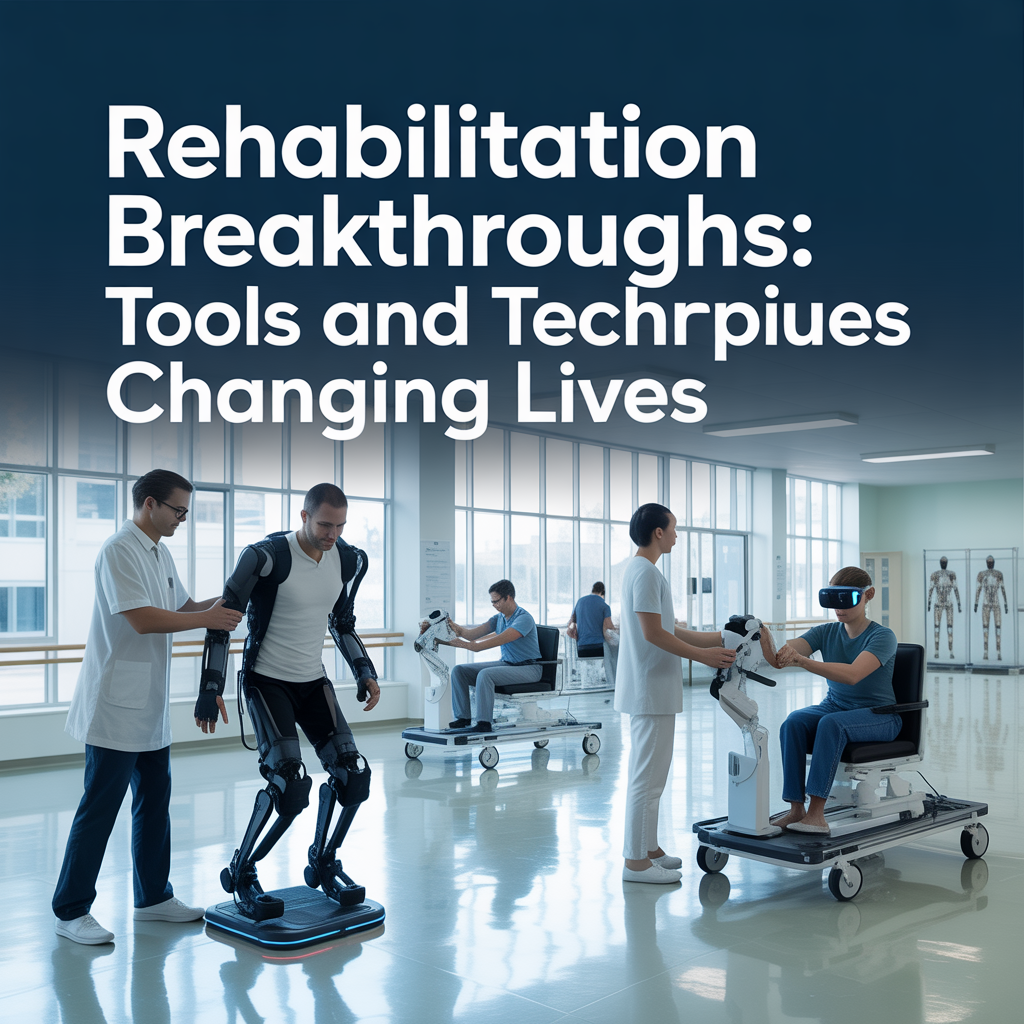
One of the biggest improvements in rehabilitation is the use of technology. For example, robotic devices help patients practice walking, moving their arms, or regaining balance. These machines support the body safely while allowing the therapist to focus on guiding the patient. Virtual reality is another exciting tool. It turns therapy into an interactive experience by letting patients practice movements in a fun and motivating way. For example, someone recovering from a stroke can use VR to reach for virtual objects, improving their hand-eye coordination.
Wearable devices are also becoming common. These gadgets track movement, posture, and muscle activity. The information helps therapists understand how well a patient is improving and where more work is needed. Another helpful tool is electrical stimulation, which sends tiny signals to weak muscles to help them move again. These tools show how Rehabilitation Breakthroughs: Tools and Techniques Changing Lives can speed up recovery and make therapy more personal.
Techniques That Build Strength and Confidence
Rehabilitation is not just about tools; techniques also play a major role. Therapists today use patient-centered methods that focus on what each person needs. One popular technique is task-based therapy, where patients practice real-life activities like standing up, walking, or lifting objects. This helps the brain relearn skills faster.
Another method is manual therapy, where therapists use their hands to stretch muscles, improve blood flow, and increase mobility. Aquatic therapy is also widely used because water reduces pressure on joints, making it easier to move without pain. Mind-body techniques, such as deep breathing and relaxation exercises, help reduce stress, which is important for overall healing. When we look at all these methods together, we can clearly see the power of Rehabilitation Breakthroughs: Tools and Techniques Changing Lives in today’s recovery journey.

Emotional Support and Motivation in Rehabilitation
Rehab is not only physical. Many patients feel stress, fear, or frustration during recovery. Modern rehabilitation includes emotional support through counseling, group therapy, and motivation programs. Therapists encourage patients to set realistic goals and celebrate progress, no matter how small. This creates a positive mindset and keeps patients motivated even during difficult stages. Families are also involved in the rehabilitation process because support at home makes recovery stronger and more stable.
How Personalized Rehabilitation Improves Results
Today, no two patients receive the same treatment. Personalized rehabilitation is created based on age, health condition, goals, and lifestyle. Therapists use detailed assessments, digital tracking, and regular updates to design a plan that evolves with the patient’s progress. This approach reduces stress, improves comfort, and speeds up healing. Personalized rehab is one of the best examples of Rehabilitation Breakthroughs: Tools and Techniques Changing Lives because it respects the individual needs of every patient.
The Future of Rehabilitation
The future of rehabilitation looks even brighter with the arrival of artificial intelligence, smart sensors, home-based rehab systems, and advanced brain-training tools. Soon, patients may complete part of their therapy at home using digital devices while therapists monitor progress remotely. This innovation will make rehabilitation more available and less expensive for many people. New scientific research continues to shape better treatments, and every year brings more hope for those who need support in rebuilding their lives.
FAQs
People often ask what makes modern rehabilitation different, and the simple answer is that new tools and customized techniques make recovery faster and safer; another common question is how long rehabilitation takes, and the truth is that the time varies for each person depending on the injury and treatment plan; many also wonder whether technology replaces therapists, but it does not—technology only supports therapists while they guide the patient; some ask if older adults can benefit from new rehab methods, and yes, they can because many tools are designed to be gentle and safe; another frequent question is whether rehab works for long-term conditions, and it does, as continuous therapy helps maintain strength and mobility; finally, people want to know if home-based rehab is possible, and with today’s digital tools, remote rehabilitation is becoming more common and effective.