Trusted Mental Hospital in Rawalpindi with Expert Psychiatric Care
Mental health challenges can affect anyone, regardless of age, background, or lifestyle. Emotional distress, mood changes, anxiety, or serious psychiatric conditions can slowly disrupt daily life if left untreated. Many people hesitate to seek help due to fear, stigma, or misunderstanding, but mental health care is just as important as physical health care. Visiting a mental hospital Rawalpindi gives individuals access to professional psychiatric support in a safe and respectful environment. These facilities are designed to help patients regain emotional balance, mental clarity, and confidence in their lives.
Mental hospitals provide structured care where patients are understood rather than judged. They offer medical expertise, emotional guidance, and a calm environment that encourages healing. When the right care is received at the right time, recovery becomes more achievable and lasting.
Understanding Mental Health Conditions and Their Impact
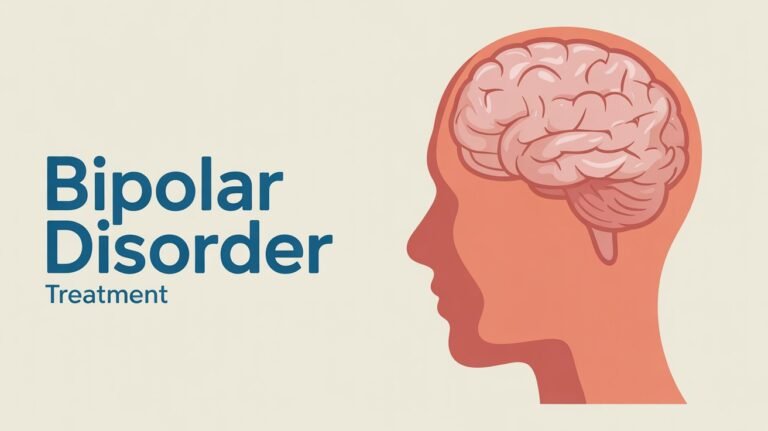
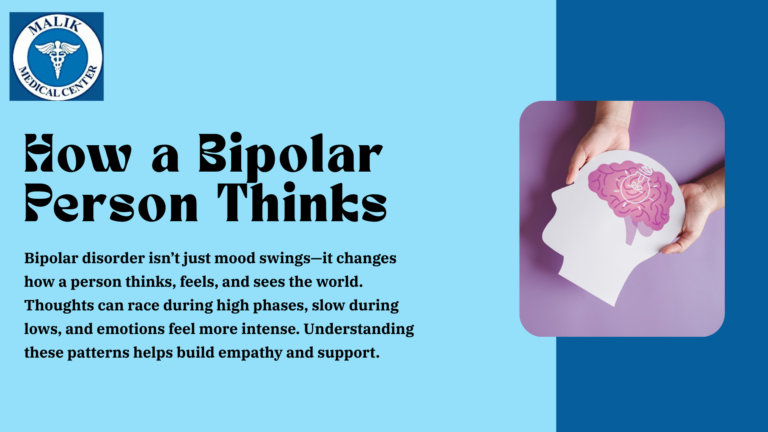
Mental health conditions affect thoughts, emotions, behavior, and the ability to function in everyday situations. Conditions such as depression, anxiety disorders, bipolar disorder, schizophrenia, and trauma-related illnesses can deeply affect personal relationships, work performance, and physical health. Many individuals struggle silently, believing their condition will improve on its own. Unfortunately, untreated mental illness often worsens over time.
A trusted MENTAL HOSPITAL RAWALPINDI helps individuals understand their condition through proper diagnosis and professional evaluation. Mental health is complex, and symptoms may overlap between conditions, making self-diagnosis unreliable. Psychiatric professionals use careful assessments to identify the root causes of emotional distress. This clarity allows treatment to begin with accuracy and purpose.
Understanding mental illness helps reduce fear and confusion. When individuals learn that their condition has a medical explanation and effective treatments, they begin to feel hope. Awareness and education are often the first steps toward meaningful recovery.
Role of Expert Psychiatrists and Clinical Staff
Psychiatrists are central to mental health recovery. They diagnose conditions, prescribe medication, and monitor progress over time. Expert psychiatrists understand that every patient is different and requires personalized care. Treatment plans are carefully designed based on symptoms, medical history, and emotional needs.
Medication is often used to stabilize mood, reduce anxiety, or manage severe symptoms. However, medication alone is not enough. Therapy plays a vital role in helping individuals understand their thoughts, emotions, and behaviors. Psychologists and therapists work closely with psychiatrists to provide complete care.
Nurses and support staff also play an essential role by offering daily assistance, emotional reassurance, and medical monitoring. Their presence helps patients feel safe and supported throughout the treatment process. This teamwork approach improves outcomes and strengthens patient confidence.
Importance of a Structured Mental Health Treatment Environment
Mental health recovery requires consistency, safety, and professional guidance. A mental hospital offers a structured environment that removes external stressors and distractions. Patients are supported around the clock by trained staff who understand the complexities of psychiatric conditions.
In the middle of treatment, patients benefit from routine and stability. Regular therapy sessions, medication schedules, and monitored activities create balance in daily life. Care provided at a MENTAL HOSPITAL RAWALPINDI allows individuals to focus entirely on healing without the pressures of daily responsibilities.
This controlled setting is especially important for individuals experiencing severe symptoms such as hallucinations, extreme mood swings, or emotional instability. Continuous observation ensures patient safety and allows treatment plans to be adjusted as needed. Structure builds trust, reduces anxiety, and supports steady progress toward recovery.
Healing Beyond Symptoms Through Therapy and Life Skills
Mental health treatment focuses not only on reducing symptoms but also on improving overall quality of life. Therapy helps patients explore emotional patterns, unresolved trauma, and stress triggers. Through guided sessions, individuals learn healthier ways to cope with difficult emotions.
At a mental hospital, therapy often includes individual counseling, group sessions, and skill-building activities. These sessions help patients develop communication skills, emotional regulation, and problem-solving abilities. In the middle of recovery, care at a mental hospital Rawalpindi supports emotional growth alongside medical treatment.
Life skills training prepares patients for independent living after treatment. Simple routines such as maintaining sleep schedules, managing stress, and practicing self-care help create long-term stability. These skills empower individuals to handle challenges confidently and responsibly.
Moving Forward with Hope and Long-Term Mental Wellness
Recovery from mental illness is a journey that requires patience, commitment, and support. With the right care, individuals regain control over their emotions, thoughts, and daily lives. A mental hospital provides the foundation needed for lasting mental wellness.
After treatment, continued care remains important. Follow-up therapy, medication management, and family support help maintain progress. Loved ones who understand the condition can provide encouragement and emotional security. Over time, individuals rebuild relationships, return to responsibilities, and rediscover purpose.
Choosing a MENTAL HOSPITAL RAWALPINDI is a powerful step toward a healthier and more balanced life. With expert psychiatric care and compassionate support, individuals can move forward with strength, clarity, and renewed hope for the future.
Frequently Asked Questions (FAQs)
What conditions are treated at a mental hospital?
Mental hospitals treat depression, anxiety disorders, bipolar disorder, schizophrenia, trauma-related disorders, and other psychiatric conditions.
Is admission to a mental hospital always necessary?
Admission is recommended when symptoms are severe or require close monitoring. Some conditions can also be treated through outpatient care.
How long does mental health treatment take?
Treatment duration varies depending on the condition, severity, and individual response to therapy.
Are mental hospitals safe environments?
Yes, mental hospitals are designed to provide a secure, calm, and supportive environment for recovery.
Can family members visit during treatment?
Most mental hospitals encourage family involvement as it supports emotional healing and understanding.
Is full recovery from mental illness possible?
Many individuals achieve long-term stability and improved quality of life with proper treatment and ongoing support.