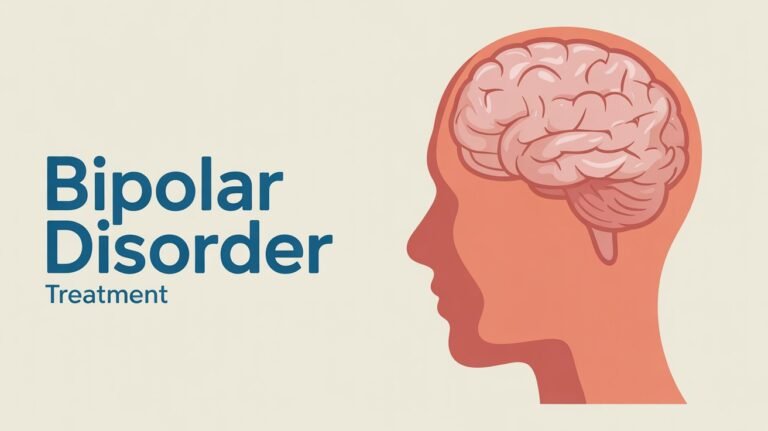

Bipolar Disorder Test: Assess Your Mood Patterns Today
Introduction
Understanding your emotions is an important part of protecting your mental health. Many people experience changes in mood, but some find their highs and lows stronger or longer than usual. When these changes affect daily life, relationships, confidence, or work, it can be helpful to explore them more deeply. A Bipolar Disorder Test: Assess Your Mood Patterns Today is not a diagnosis but a gentle starting point for recognizing signs that may need professional attention. This content will guide you through mood awareness, symptom understanding, and the importance of early support, all in simple and easy-to-read language. This title, Bipolar Disorder Test: Assess Your Mood Patterns Today, will appear only four times as requested.
Understanding Mood Patterns
Mood patterns include how your emotions rise, fall, and shift over days or weeks. Everyone experiences sadness, excitement, stress, or moments of high energy. But in some people, these emotions swing more sharply, last longer, or feel harder to manage. Some days may feel full of unstoppable energy, followed by days of feeling extremely tired or sad. These intense mood changes may sometimes be connected to bipolar disorder.
By using a Bipolar Disorder Test: Assess Your Mood Patterns Today, you can begin to notice how often these changes happen, how strong they feel, and whether they get in the way of daily activities. This awareness helps you understand if what you feel is within the normal range or something worth discussing with a mental health professional.
Signs You May Notice
People with bipolar symptoms often experience two strong types of emotional states. One is a high-energy state, and the other is a low-energy state.
High-energy signs may include:
Feeling unusually happy or excited
Talking faster than normal
Feeling full of ideas
Sleeping less but not feeling tired
Taking risks without thinking about consequences
Low-energy signs may include:
Feeling sad or empty
Sleeping much more than usual
Losing interest in activities
Trouble focusing
Feeling hopeless
These signs can appear in cycles. Sometimes the highs last for days, and the lows follow soon after. Sometimes the lows last long, and the highs appear suddenly. Tracking these changes can help you understand the patterns in your emotional life.
Purpose of a Mood Assessment
A mood assessment is designed to help you check how your emotions shift and how they affect your day-to-day life. It helps you reflect on your thinking, behavior, sleep, and energy changes. When you answer honestly, the results can offer helpful clues.
Although a self-test is not a diagnosis, it gives you insight into whether you might need to talk with a doctor or therapist. It is a safe way to explore your feelings privately and comfortably at your own pace. Many people use these tests as the first step in understanding their emotional changes.
When to Consider Taking a Test
You may consider taking a test if:
Your mood changes suddenly and without clear reason
You feel great and full of energy for days, then very sad afterward
Your emotions are affecting your work, school, or relationships
You have trouble staying focused because your mind feels too fast or too slow
Loved ones notice unusual changes in your energy or behavior
If any of these signs feel familiar, a test can help you understand what is happening and what steps to take next.
How This Type of Test Helps
A high-quality test helps you look at your thoughts, actions, sleep habits, and feelings. It encourages you to think about how long your emotions last, how often they appear, and how intense they feel.
The goal is not to label you but to guide you. The test encourages self-awareness, which is an important part of emotional health. With more understanding, you can choose whether to seek help, change habits, or talk with someone who understands mental health.
What to Do After Taking a Test
Once you complete a test, you may feel relieved, curious, or even confused. These feelings are normal. The test results may suggest you speak to a doctor, or they may show that your mood changes are mild and not concerning.
If the test suggests further evaluation, reaching out to a mental health professional is a positive step. These professionals can offer a full assessment, support, and treatment if needed. Many people find comfort in learning more about their emotional health, especially when they get help early.
Taking Care of Yourself
If you feel that your moods go up and down often, taking care of yourself becomes very important. Simple steps like eating healthy food, sleeping well, and staying active can make a big difference. Talking to someone you trust can also help you feel supported.
You do not have to face emotional struggles alone. Many people experience mood changes, and many improve with the right knowledge and support. Understanding yourself better is the first step toward feeling balanced and in control.
FAQs
People often ask if a bipolar test can replace a doctor’s diagnosis, and the answer is no—it only guides you toward understanding your symptoms; others wonder how long mood shifts should last before becoming a concern, and usually changes that last days or weeks and affect daily life may need attention; some ask if stress can cause mood swings that look like bipolar symptoms, and yes, stress can affect mood but bipolar changes are usually stronger and more repetitive; another common question is whether young people can experience bipolar signs, and the truth is it can appear at any age; many also ask if taking a self-test is safe, and it is completely safe because it is simply a reflection tool that helps you understand when to seek help.