alcohol abuse icd 10 ICD-10 Code F10.1: A Comprehensive Guide to Alcohol Abuse
Introduction
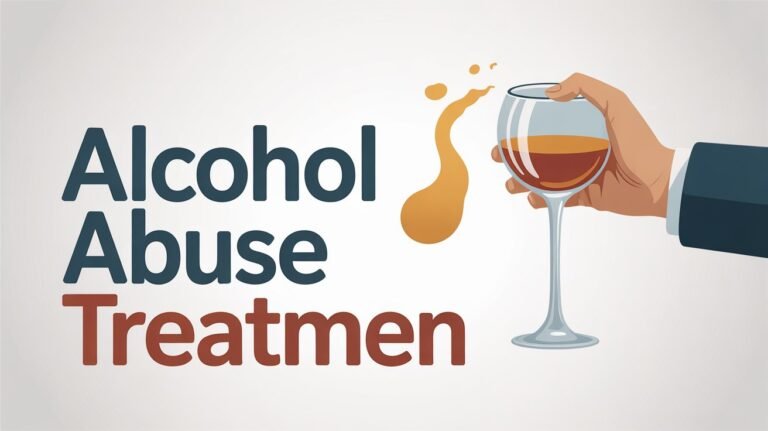
Alcohol abuse is a serious issue that affects millions of people around the world. Many individuals struggle with the physical, emotional, and social impact of drinking too much. To help doctors, hospitals, and healthcare systems clearly identify and manage this condition, the ICD-10 coding system includes a specific code known as ICD-10 Code F10.1. This code is used to describe alcohol abuse in a clear and organized way. Understanding how this code works can help patients, families, and healthcare providers communicate better and find the right kind of support. In this comprehensive guide, you will learn what this code means, how it is used, and why it is important in today’s healthcare world.
What Is ICD-10 and Why Does F10.1 Matter?
ICD-10 stands for the International Classification of Diseases, 10th Edition. It is a global system used to identify and record different health conditions. Healthcare workers use it for diagnosis, treatment planning, billing, and medical reporting. When a doctor uses ICD-10 Code F10.1, they are specifically referring to alcohol abuse that does not include dependence. This means the person may drink too much or too often, but they have not yet developed the physical or emotional dependence seen in alcohol addiction.
Knowing this code helps create a clear picture of the patient’s condition. It allows doctors to track progress, create treatment plans, and provide support early. Early identification is one of the most important steps in preventing alcohol abuse from becoming a more serious disorder.
Signs and Symptoms Connected to Alcohol Abuse
Alcohol abuse can look different from person to person. Some may drink heavily on weekends, while others may drink regularly throughout the week. Even though the patterns may vary, there are common signs that suggest a problem. These include drinking more than intended, missing work or school because of drinking, and continuing to drink even when it causes problems at home or in relationships. Some people may also experience mood swings, poor judgment, and risky behaviors.
When these signs appear, doctors may decide that ICD-10 Code F10.1 is the best way to record the condition. This does not mean the person has lost control completely, but it does mean they need support to avoid more serious issues. Early action can prevent long-term health problems like liver disease, heart issues, or emotional disorders.
Why Early Diagnosis Using F10.1 Is Important
One of the reasons this code is so important is because it encourages early diagnosis. Many people do not realize that drinking too much—even without dependence—can still harm their health. The code helps healthcare providers highlight risks before they become severe. When alcohol abuse is recognized early, treatment can begin sooner. This often leads to better outcomes and fewer complications.
Early diagnosis also helps families understand what their loved one is facing. Sometimes people feel ashamed or confused about alcohol problems. A clear diagnosis like ICD-10 Code F10.1 can make things easier to understand. It opens the door for honest conversations and supportive care.
Treatment Options Linked With Alcohol Abuse
Treatment for alcohol abuse can vary depending on the person’s needs. Some people may only need short-term counseling, while others may benefit from long-term support. Common treatment options include therapy, support groups, lifestyle changes, and education about healthy drinking habits. Doctors may also recommend changes in daily routines to reduce triggers.
Using the ICD-10 code helps healthcare providers match the right treatment to the right patient. It ensures that the person gets care that fits their situation rather than a one-size-fits-all plan. With proper treatment, many people can reduce or stop their alcohol use and live healthier lives.
How ICD-10 Code F10.1 Helps Healthcare Providers
Healthcare workers rely on codes like ICD-10 Code F10.1 to keep records organized and accurate. This helps them track how often a condition appears and how effective different treatments are. It also helps with insurance claims, which require specific codes to approve services. Without a clear code, it would be harder for patients to get the help they need.
Doctors also use the code to communicate with other medical professionals. If a patient sees more than one doctor, the code lets everyone know what the main concern is. This improves teamwork and ensures that the patient gets consistent care.
Preventing Alcohol Abuse Before It Becomes Worse
Prevention is always better than treatment. By understanding the meaning of ICD-10 Code F10.1, people can learn how to avoid problems with alcohol before they grow. Simple steps like drinking responsibly, staying aware of habits, and getting help early make a big difference. Many people do not realize how quickly alcohol abuse can turn into dependence. Learning about this code and recognizing the early signs can help prevent that from happening.
Conclusion
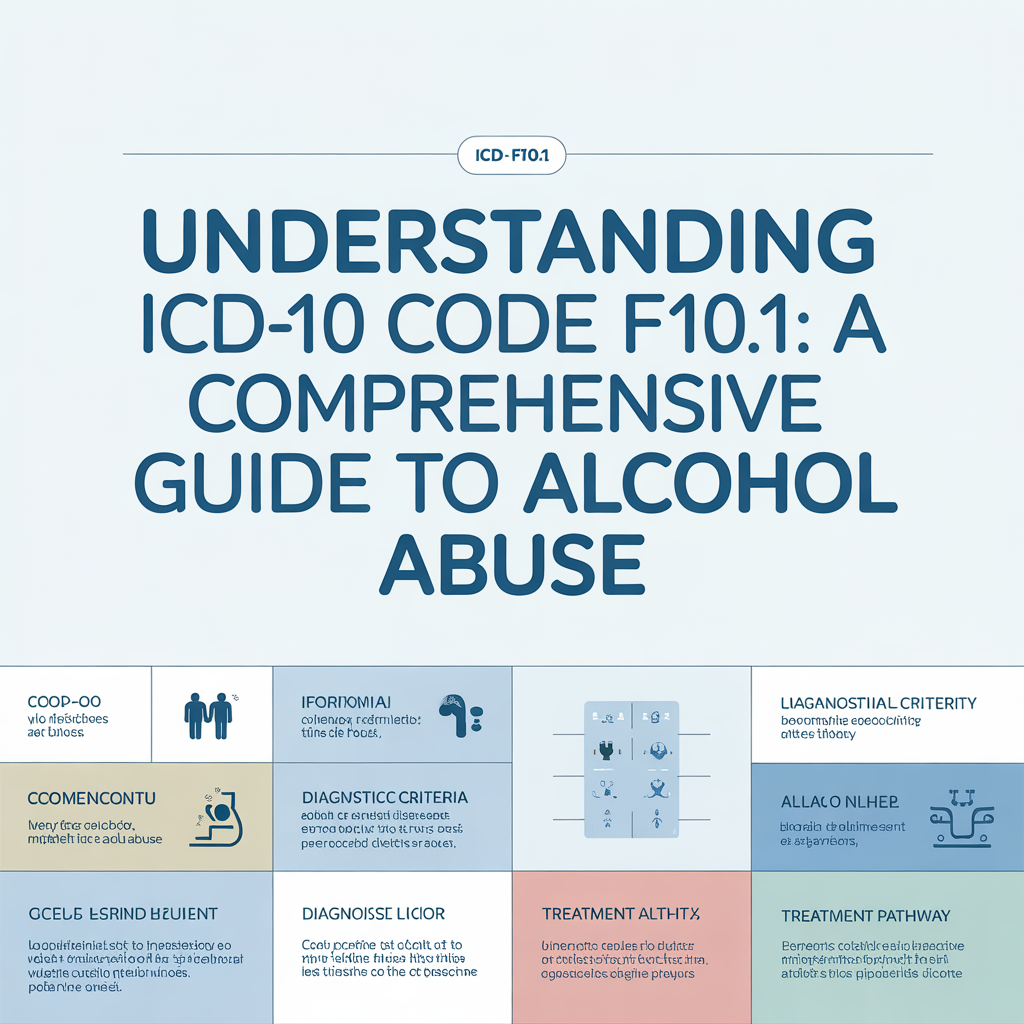
Understanding ICD-10 Code F10.1: A Comprehensive Guide to Alcohol Abuse gives people a clearer view of how alcohol abuse is recognized and managed in healthcare. The code helps doctors identify issues early, guide treatment, and support patients in improving their health. It also helps families understand what their loved one may be going through. While alcohol abuse is a serious issue, early action and proper support can make recovery possible. With the right information and care, individuals struggling with alcohol use can regain control and live healthier, safer lives.
FAQs
People often ask questions such as what ICD-10 Code F10.1 really means, whether it represents alcohol dependence, how doctors decide when to use this code, if it affects insurance coverage, whether someone can recover fully from alcohol abuse, what symptoms should alert a person to seek help, how early diagnosis helps prevent long-term problems, if counseling alone is enough for treatment, whether lifestyle changes can reduce alcohol misuse, and how families can support someone diagnosed with alcohol abuse.