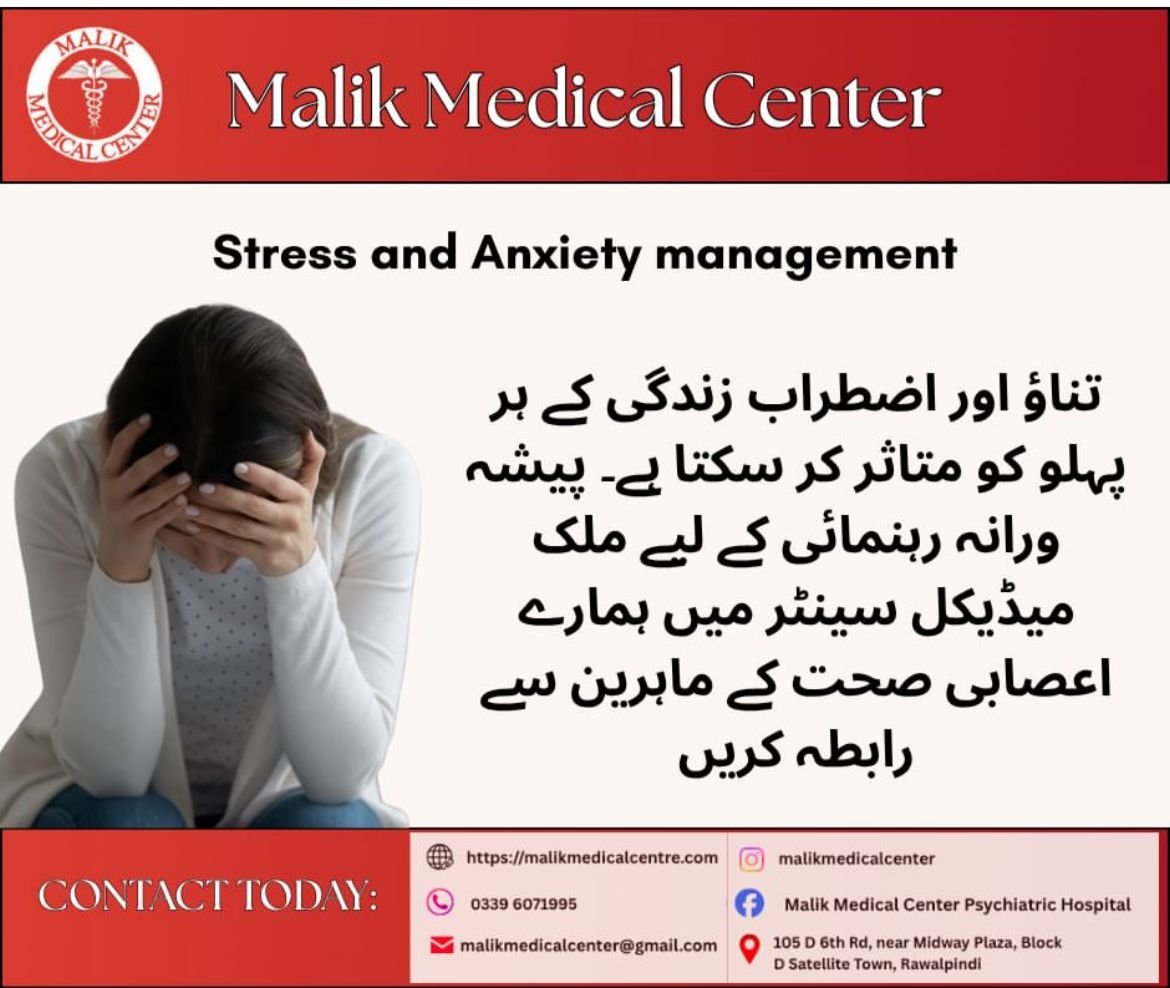
Anxiety Disorders Treatment Programs | Regain Emotional Balance
Anxiety disorders affect millions of people across all age groups and backgrounds. What begins as occasional worry or stress can slowly turn into constant fear, restlessness, and emotional exhaustion. Many people struggle silently, thinking anxiety is just part of life. It is a medical condition that deserves care and attention. Anxiety disorders treatment helps individuals understand their emotions, manage symptoms, and regain control over their daily lives in a healthy and lasting way.
Living with untreated anxiety can affect work performance, relationships, physical health, and self-confidence. People may avoid social situations, experience sleep problems, or feel overwhelmed by simple tasks. Treatment programs are designed to provide relief, guidance, and practical tools so individuals can live with calm, clarity, and emotional balance.
Understanding Anxiety Disorders and Their Daily Impact
Anxiety disorders are more than just feeling nervous before an exam or a big event. They include conditions such as generalized anxiety disorder, panic disorder, social anxiety, and phobias. These disorders cause excessive fear and worry that do not go away easily and often interfere with normal functioning.
Common symptoms include constant overthinking, racing thoughts, chest tightness, shortness of breath, fatigue, irritability, and difficulty concentrating. Over time, anxiety can also lead to physical issues like headaches, digestive problems, and weakened immunity.
Professional ANXIETY DISORDER TREATMENT focuses on identifying the type and severity of anxiety a person is experiencing. Every individual’s condition is different, which is why treatment programs are personalized rather than generic. Understanding the condition is the first step toward meaningful and lasting recovery.
Importance of Early Diagnosis and Professional Care
Many people delay seeking help because they believe anxiety will resolve on its own. Unfortunately, untreated anxiety often worsens over time. Early diagnosis allows professionals to address symptoms before they become deeply rooted and more difficult to manage.
Mental health specialists use structured assessments, clinical interviews, and sometimes questionnaires to understand a patient’s emotional state. This process helps rule out other medical conditions and ensures the right treatment approach is chosen.
Professional care provides reassurance and clarity. Patients learn that their symptoms are not a personal weakness but a response of the nervous system to stress or imbalance. With the right guidance, anxiety becomes manageable rather than overwhelming.
Therapy-Based Treatment Programs for Anxiety
Therapy is one of the most effective tools for treating anxiety disorders. Cognitive behavioral therapy is commonly used to help individuals recognize negative thought patterns and replace them with healthier, more realistic thinking. Over time, this reduces fear and emotional distress.
Other therapeutic approaches may include talk therapy, exposure therapy, and mindfulness-based techniques. These methods help individuals face fears gradually, improve emotional regulation, and build confidence. Therapy sessions also provide a safe space to express feelings without judgment.
Group therapy can be beneficial as well. Sharing experiences with others who understand anxiety reduces isolation and builds a sense of community. Therapy does not offer instant results, but with consistency, it creates deep and lasting change.
Role of Medication and Combined Treatment Approaches
For moderate to severe anxiety, medication may be recommended alongside therapy. Medication helps balance brain chemicals that regulate mood and stress response. It can reduce symptoms such as panic attacks, constant worry, and physical tension, making it easier for patients to engage in therapy.
In the middle of a structured recovery plan, ANXIETY DISORDER TREATMENT often combines medication with counseling for better outcomes. This integrated approach addresses both the biological and psychological aspects of anxiety.
Medication is always prescribed under medical supervision, with regular follow-ups to monitor progress and manage side effects. It is important to understand that medication supports recovery but does not replace therapy or lifestyle changes.
Lifestyle Changes and Emotional Self-Care
Treatment programs also focus on daily habits that influence mental health. Poor sleep, unhealthy eating, lack of exercise, and chronic stress can all worsen anxiety symptoms. Simple lifestyle adjustments can significantly improve emotional stability.
Regular physical activity helps release tension and improve mood. Balanced nutrition supports brain function, while proper sleep allows the nervous system to reset. Relaxation techniques such as deep breathing, meditation, and gentle stretching calm the mind and body.
Emotional self-care includes setting boundaries, managing workload, and learning to say no when needed. Support from family and friends plays a crucial role in recovery. When individuals feel understood and supported, healing becomes easier and more sustainable.
Long-Term Recovery and Emotional Balance
Recovery from anxiety is not about eliminating stress completely but learning how to respond to it in healthier ways. Long-term treatment programs focus on relapse prevention, emotional resilience, and self-awareness. Patients develop skills to manage future challenges without falling back into constant fear.
Follow-up sessions, ongoing therapy, and support groups help maintain progress. Over time, individuals regain confidence, improve relationships, and rediscover enjoyment in daily life. Emotional balance allows people to function without being controlled by worry or fear.
With the right support system and professional guidance, ANXIETY DISORDER TREATMENT empowers individuals to move forward with strength, clarity, and emotional stability.
FREQUENTLY ASKED QUESTIONS (FAQs)
What are anxiety disorder treatment programs?
These programs provide structured care that includes therapy, medication if needed, lifestyle guidance, and emotional support to manage anxiety effectively.
How long does anxiety treatment take?
Treatment duration varies depending on severity. Some people improve within months, while others may need longer-term support.
Is medication always necessary for anxiety?
Not always. Mild anxiety may improve with therapy and lifestyle changes alone. Medication is used when symptoms are moderate to severe.
Can anxiety return after treatment?
Anxiety can return during stressful times, but treatment programs teach coping skills that help manage symptoms effectively.
Is anxiety disorder treatment confidential?
Yes, professional treatment centers maintain strict confidentiality to protect patient privacy and dignity.