Mental Health Hospital Rawalpindi | Professional & Compassionate Care
Mental health is just as important as physical health, yet it is often misunderstood or ignored. In recent years, awareness around emotional wellbeing, stress management, and psychological care has grown, especially in major cities like Rawalpindi. People are now more open to seeking help for anxiety, depression, trauma, addiction, and other mental health challenges. A mental hospital Rawalpindi plays a vital role in providing structured, professional, and compassionate care to individuals and families who need support during difficult times. These hospitals are not just places for treatment but safe spaces where healing, understanding, and recovery begin.
Understanding Mental Health and Why Care Matters
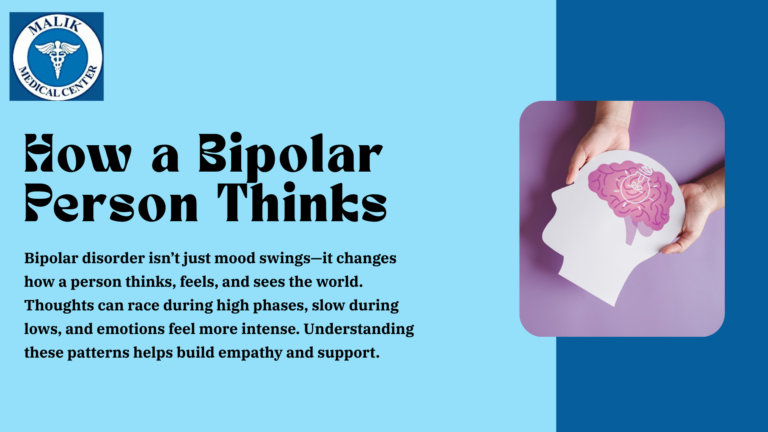
Mental health refers to our emotional, psychological, and social wellbeing. It affects how we think, feel, behave, handle stress, relate to others, and make decisions. Mental health issues can affect anyone, regardless of age, gender, or background. Common conditions include depression, anxiety disorders, bipolar disorder, schizophrenia, post-traumatic stress disorder, and substance use disorders.
Ignoring mental health problems can lead to serious consequences. These may include poor physical health, strained relationships, reduced work or academic performance, and in severe cases, self-harm or suicidal thoughts. Early care and professional intervention can prevent symptoms from worsening and help individuals regain control over their lives.
A MENTAL HOSPITAL RAWALPINDI offers specialized services that go beyond basic counseling. These facilities provide diagnosis, therapy, medication management, and rehabilitation under one roof. The goal is not just symptom relief but long-term stability and improved quality of life. By seeking timely care, patients can learn coping strategies, understand their condition, and move toward recovery with confidence.
Services Offered by Mental Health Hospitals in Rawalpindi
Mental health hospitals in Rawalpindi are designed to meet a wide range of psychological and psychiatric needs. They offer both inpatient and outpatient services, depending on the severity of the condition. One of the key strengths of these hospitals is their multidisciplinary approach. Psychiatrists, psychologists, therapists, nurses, and social workers work together to create personalized treatment plans.
Common services include psychiatric evaluations, individual therapy, group therapy, family counseling, and medication management. For patients with severe conditions, inpatient care provides a structured and safe environment where they can receive round-the-clock monitoring and support. Outpatient services are ideal for those who can manage daily life but still require regular professional guidance.
A mental hospital Rawalpindi also focuses on crisis intervention. Patients experiencing acute stress, panic attacks, psychotic episodes, or suicidal thoughts can receive immediate care. In addition, many hospitals offer specialized programs for addiction recovery, trauma therapy, child and adolescent mental health, and geriatric psychiatry. This wide range of services ensures that every patient receives care suited to their unique needs.
The Importance of Professional and Compassionate Care
Professional expertise is essential in mental health treatment, but compassion is equally important. Patients often come to mental health hospitals feeling vulnerable, scared, or misunderstood. A supportive and respectful environment can make a significant difference in their healing journey.
Mental health professionals are trained not only to diagnose and treat conditions but also to listen without judgment. They understand that each patient’s experience is different. Compassionate care involves empathy, patience, and clear communication. It helps build trust, which is crucial for effective treatment.
In the middle of the recovery journey, many patients realize that healing is not just about medication or therapy sessions. It is about feeling heard, respected, and valued. A MENTAL HOSPITAL RAWALPINDI emphasizes this balance between clinical expertise and human connection. By addressing both emotional and medical needs, these hospitals help patients feel empowered and hopeful about their future.
Role of Family and Community Support
Mental health recovery does not happen in isolation. Family and community play a critical role in supporting individuals with mental health challenges. Mental health hospitals in Rawalpindi often encourage family involvement as part of the treatment process. Family counseling sessions help loved ones understand the condition, learn effective communication strategies, and provide emotional support at home.
Stigma around mental health is still present in many communities. People may hesitate to seek help due to fear of judgment or misunderstanding. Education and awareness are key to breaking these barriers. Mental health hospitals often conduct awareness programs, workshops, and counseling sessions to educate families and the public about mental health issues.
Community support groups also offer a sense of belonging and shared understanding. Patients can connect with others who have similar experiences, which reduces feelings of isolation. With the combined support of professionals, family, and community, recovery becomes more sustainable and meaningful.
Creating a Safe and Healing Environment
The environment of a mental health hospital has a direct impact on patient recovery. A calm, clean, and well-structured setting helps reduce stress and anxiety. Mental health hospitals in Rawalpindi focus on creating spaces that feel safe and welcoming rather than intimidating.
Patient safety is a top priority. Hospitals follow strict protocols to ensure physical and emotional wellbeing. This includes supervised medication administration, regular assessments, and secure facilities for patients who may be at risk of harming themselves or others. At the same time, respect for patient dignity and privacy is maintained.
Therapeutic activities such as art therapy, recreational activities, mindfulness sessions, and physical exercise are often included in treatment plans. These activities help patients express emotions, build confidence, and develop healthy routines. A supportive environment encourages patients to actively participate in their recovery rather than feeling like passive recipients of care.
Moving Toward Recovery and Long-Term Wellbeing
Recovery from mental health challenges is a journey, not a one-time event. It involves ongoing care, self-awareness, and lifestyle adjustments. Mental health hospitals in Rawalpindi aim to equip patients with the tools they need for long-term wellbeing. This includes relapse prevention strategies, stress management techniques, and follow-up care plans.
Patients are encouraged to continue therapy and medication as advised, even after symptoms improve. Regular follow-ups help monitor progress and make necessary adjustments to treatment. Education about mental health conditions empowers patients to recognize early warning signs and seek help before issues escalate.
Choosing the right support system can change lives. A MENTAL HOSPITAL RAWALPINDI serve as a foundation for recovery, offering professional guidance, compassionate care, and a path toward emotional balance. With the right help, individuals can rebuild confidence, strengthen relationships, and lead fulfilling lives.
Frequently Asked Questions (FAQs)
Do I need to be admitted receiving treatment?
Not always. Many patients benefit from outpatient services such as therapy and medication management. Inpatient admission is usually recommended for severe conditions or during mental health crises.
Is mental health treatment confidential?
Yes. Mental health hospitals follow strict confidentiality guidelines to protect patient privacy. Information is shared only with authorized professionals and, when appropriate, with patient consent.
How long does mental health treatment take?
The duration of treatment varies depending on the condition and individual needs. Some people may need short-term support, while others benefit from long-term care and follow-up.
Can family members be involved in treatment?
Yes. Family involvement is often encouraged as it helps create a supportive home environment and improves treatment outcomes.