Professional PTSD & Trauma Treatment Programs for Mental Wellness
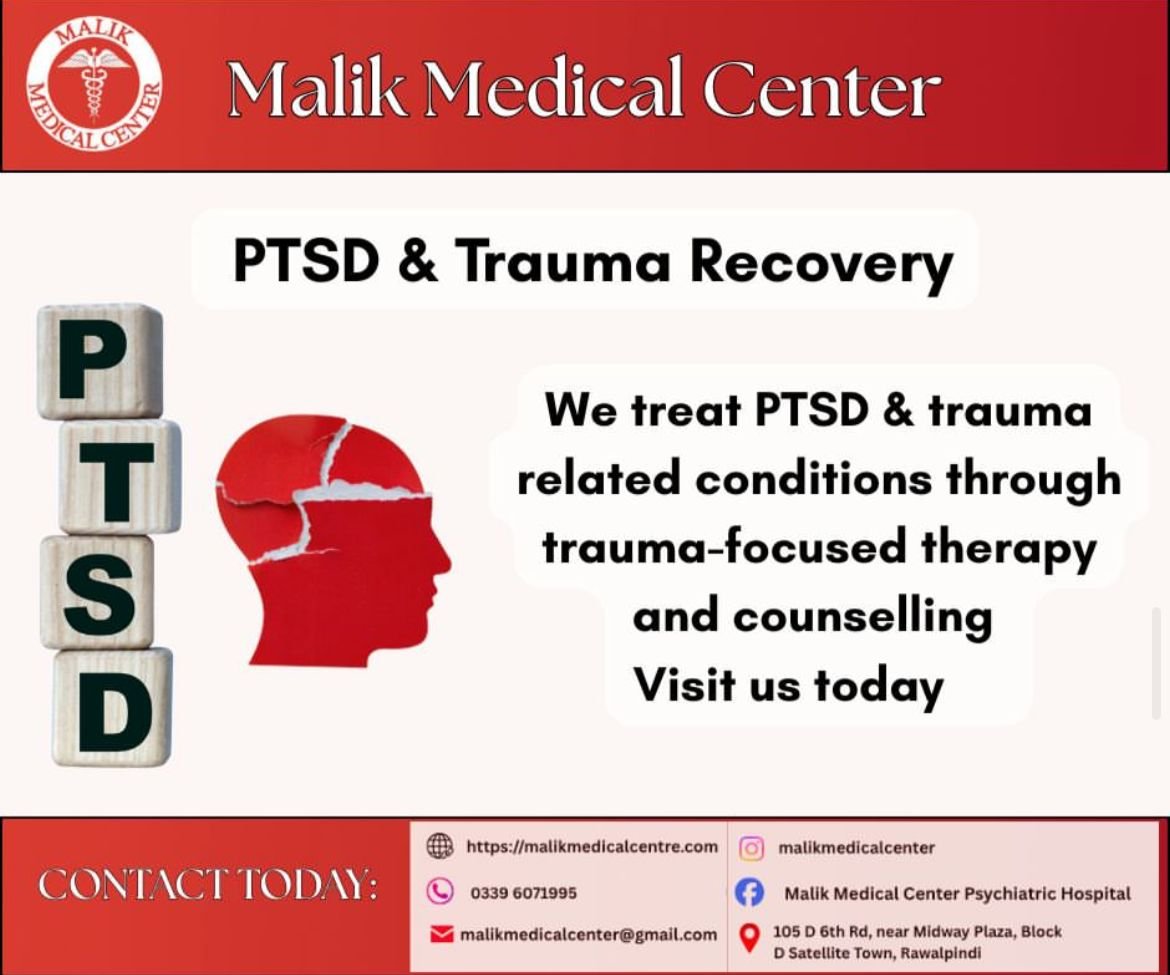
Trauma is not just about what happens to a person. It is about how the mind and body respond to deeply stressful or frightening experiences. Events like accidents, abuse, violence, natural disasters, or sudden loss can leave lasting emotional marks. For many people, these effects fade with time. For others, trauma stays active in the nervous system and affects daily life. This is where ptsd & trauma treatment becomes essential for healing and long-term mental wellness.
Post traumatic stress disorder, often called PTSD, can cause intense fear, flashbacks, nightmares, emotional numbness, anger, or constant alertness. Trauma can also exist without a PTSD diagnosis and still disrupt sleep, relationships, focus, and self-confidence. Many people struggle silently because they do not understand what is happening to them or believe they should handle it alone. Learning how trauma affects the brain and emotions is the first step toward recovery.
Trauma changes how the brain processes safety and danger. The mind stays in survival mode, even when the threat is gone. This can make a person feel stuck, overwhelmed, or disconnected from life. With the right understanding and professional support, the brain can relearn safety. Healing is possible, and it does not mean forgetting the past. It means learning to live fully again without being controlled by it.
Signs and Symptoms That Indicate the Need for Treatment
Trauma shows itself in many ways, and no two people experience it the same way. Some signs appear immediately after a traumatic event, while others may surface months or even years later. Recognizing these signs is important because early support can prevent long term emotional damage.
Common emotional symptoms include anxiety, sadness, guilt, shame, anger, or feeling emotionally numb. Many people feel detached from loved ones or lose interest in activities they once enjoyed. Fear and worry may feel constant, even in save situations. Some individuals experience sudden emotional reactions that seem out of proportion to the situation, which can be confusing and exhausting.
Physical symptoms are also common. Headaches, muscle tension, stomach issues, fatigue, and sleep disturbances often accompany trauma. Nightmares and insomnia are especially common. The body holds stress, and untreated trauma can slowly weaken physical health over time.
Behavioral changes may include avoiding certain places or conversations, withdrawing socially, or relying on unhealthy coping methods such as substance use. Concentration problems and memory issues can affect work or studies. When these symptoms start interfering with daily life, relationships, or personal growth, professional PTSD & TRAUMA TREATMENT can provide structured and effective support.
Types of Professional PTSD and Trauma Treatment Programs
Trauma recovery is not one size fits all. Professional treatment programs are designed to meet different needs, levels of severity, and personal backgrounds. The goal is always the same: to help individuals regain a sense of safety, control, and emotional balance.
Individual therapy is one of the most common approaches. In a private setting, a trained therapist helps the person explore traumatic experiences at a safe pace. Evidence based therapies such as cognitive behavioral therapy, trauma focused therapy, and exposure-based techniques help change unhelpful thought patterns and reduce fear responses.
Group therapy is another powerful option. Sharing experiences with others who have faced similar challenges reduces isolation and shame. It helps individuals realize they are not alone and that healing is possible. Group settings also build communication skills and emotional support networks.
In more complex cases, structured programs such as outpatient or residential treatment may be recommended. These programs offer a combination of therapy sessions, skill building activities, and emotional regulation training. They provide a stable environment where individuals can focus fully on recovery.
Holistic approaches are often included alongside therapy. Mindfulness, breathing exercises, body-based therapies, and relaxation techniques help calm the nervous system. These methods support emotional healing by reconnecting the mind and body. Together, these approaches form a comprehensive path toward recovery.
The Healing Process and What to Expect During Recovery
Healing from trauma is a journey, not a quick fix. Many people worry about starting treatment because they fear reliving painful memories. While facing trauma can be challenging, professional care is designed to ensure safety and emotional support throughout the process.
The early phase of recovery focuses on stabilization. This includes learning coping skills, emotional regulation, and grounding techniques. These tools help individuals manage distress and feel more in control of their reactions. Building trust with a therapist is also an important part of this stage.
As treatment progresses, deeper work may begin. This is often where PTSD & TRAUMA TREATMENT helps individuals process traumatic memories in a way that reduces their emotional intensity. The goal is not to erase memories but to change how the brain and body respond to them. Over time, triggers lose their power, and emotional reactions become more manageable.
Later stages of recovery focus on rebuilding life. This includes strengthening relationships, restoring confidence, setting goals, and reconnecting with personal values. Many people report feeling stronger, more self-aware, and more resilient than before. Recovery does not mean the absence of all stress. It means having the skills and support to handle life without being overwhelmed by the past.
The Role of Support Systems in Trauma Recovery
While professional care is essential, healing does not happen in isolation. Support from family, friends, and the community plays a powerful role in recovery. Feeling understood, believed, and supported can significantly reduce feelings of shame and loneliness.
Loved ones may not always know how to help, and trauma can strain relationships. Education and open communication are key. When families understand trauma responses, they are better able to provide patience and encouragement. Simple actions such as listening without judgment and respecting emotional boundaries can make a big difference.
Peer support groups also offer valuable connection. Being surrounded by others who truly understand trauma creates a sense of belonging. These connections often continue beyond formal treatment and become part of long-term wellness.
Self-support is equally important. Learning to practice self-compassion, maintaining healthy routines, and recognizing progress helps reinforce recovery. Trauma may shape part of a person’s story, but it does not define their future. With the right support, individuals can reclaim control and build meaningful lives.
Long Term Mental Wellness and Life After Trauma
Recovery from trauma is not about returning to who you were before. It is about becoming someone who has survived, learned, and grown. Long term mental wellness focuses on maintaining emotional balance and preventing relapse into unhealthy patterns.
Ongoing self care practices such as mindfulness, exercise, creative expression, and healthy social connections help keep the nervous system regulated. Many individuals continue therapy on a less frequent basis to strengthen coping skills and address new life challenges as they arise.
Understanding personal triggers and early warning signs allows individuals to respond before stress becomes overwhelming. This awareness builds confidence and independence. Trauma recovery often leads to greater emotional intelligence and empathy for others.
Choosing professional PTSD & TRAUMA TREATMENT is a powerful step toward a healthier future. In the final stages of healing, individuals often feel more present, hopeful, and connected to life. Trauma becomes a part of the past rather than a force controlling the present. With proper care and commitment, lasting mental wellness is achievable.
FREQUENTLY ASKED QUESTIONS (FAQs)
What is the main goal of PTSD and trauma treatment programs?
The main goal is to help individuals feel safe again, reduce emotional distress, and regain control over their thoughts, emotions, and daily life.
How long does trauma treatment usually take?
The duration varies depending on the individual, the severity of trauma, and the type of program. Some people see improvement in a few months, while others benefit from longer term support.
Can trauma be treated without medication?
Yes, many people recover through therapy and holistic approaches alone. Medication may be used when symptoms are severe, but it is not required for everyone.
Is it normal to feel worse before feeling better during treatment?
Yes, emotional discomfort can happen as trauma is addressed. With professional guidance, this phase is managed safely and usually leads to long term improvement.
Can someone fully recover from PTSD and trauma?
Many people experience significant recovery and lead fulfilling lives. While memories may remain, their emotional impact can be greatly reduced with proper treatment.