Stroke Rehabilitation Treatment in Pakistan | Physical & Neurological Care
A stroke can change a person’s life in a matter of moments. It often affects movement, speech, memory, and emotional balance, leaving individuals and families feeling overwhelmed and unsure about the future. Recovery after a stroke is possible, but it requires patience, guidance, and professional care. Choosing helps individuals regain lost abilities and stroke rehabilitation mprove their quality of life through structured physical and neurological treatment. Early rehabilitation plays a critical role in reducing long-term disability and supporting a smoother recovery journey.
Stroke recovery is not only about physical healing. It also involves emotional adjustment, mental strength, and relearning everyday skills. With the right support, many stroke survivors can return to independence and regain confidence in their daily lives.
Understanding Stroke and Its Effects on the Body and Mind
A stroke occurs when blood flow to the brain is interrupted, causing damage to brain cells. This damage can affect different parts of the body depending on the area of the brain involved. Some individuals experience weakness on one side of the body, difficulty walking, or loss of coordination. Others may struggle with speech, memory, or emotional control.
A professional STROKE REHABILITATION program helps individuals understand how the stroke has affected their body and brain. Proper assessment allows medical professionals to identify specific challenges and create a treatment plan that focuses on recovery rather than limitations.
Stroke survivors often experience frustration when they cannot perform tasks, they once found easy. Understanding that recovery takes time helps reduce anxiety and builds patience. With guided therapy, even small improvements become meaningful steps toward independence.
Role of Physical Therapy in Stroke Recovery
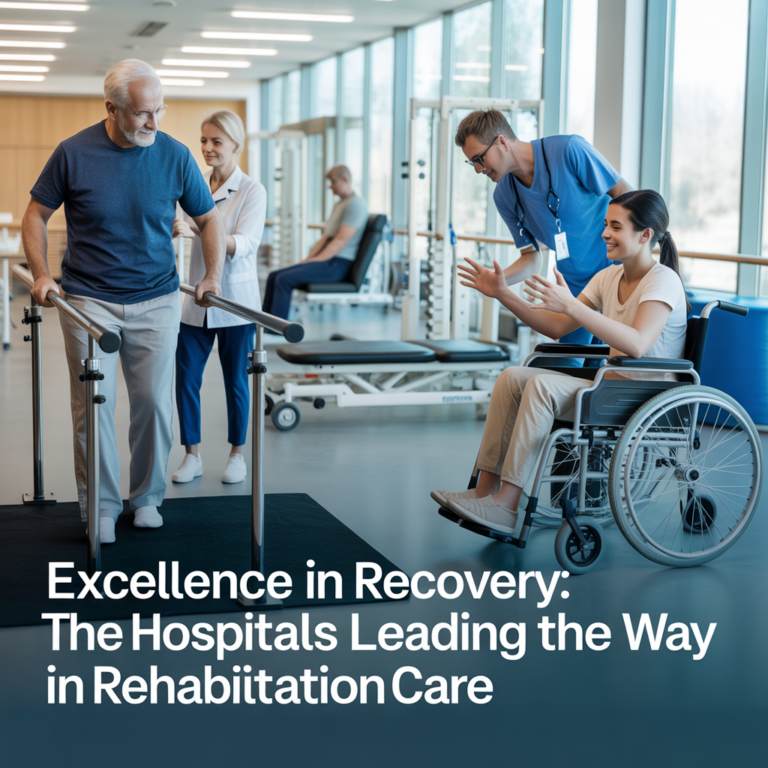
Physical therapy is a core component of stroke recovery. After a stroke, muscles may become weak or difficult to control. Physical therapists help patients relearn movements such as walking, standing, and balancing. Exercises are designed to strengthen muscles, improve coordination, and increase flexibility.
Therapy sessions focus on repetition and gradual progress. Even small movements help retrain the brain and muscles. Over time, patients gain better control and confidence in their physical abilities. Assistive devices may be used initially to support movement and prevent falls.
Physical therapy also reduces pain and stiffness. Regular movement improves blood circulation and prevents muscle tightening. With continued effort, many individuals regain mobility and independence through consistent therapy.
Importance of Early and Structured Rehabilitation Care
The first weeks after a stroke are critical for recovery. Early rehabilitation helps the brain form new connections and regain lost functions. Structured rehabilitation programs provide consistent therapy that encourages progress while preventing complications such as muscle stiffness or joint pain.
In the middle of the recovery process, care through stroke rehabilitation ensures that therapy remains focused and effective. Structured schedules include physical exercises, neurological therapy, and daily activity training. This routine helps the body and mind adapt gradually.
Professional rehabilitation centers also offer a safe environment where patients are monitored closely. Medical supervision ensures that therapy intensity matches the patient’s condition, reducing the risk of injury while promoting steady improvement.
Neurological and Cognitive Rehabilitation Support
Stroke can affect thinking, memory, attention, and emotional control. Neurological rehabilitation focuses on restoring cognitive abilities and helping patients manage mental challenges. Speech therapy assists individuals who have difficulty speaking or understanding language. Therapists use exercises that improve communication and swallowing skills.
Cognitive therapy helps patients improve memory, focus, and problem-solving abilities. These skills are essential for daily tasks such as managing finances, cooking, or social interaction. Emotional support is also provided to help individuals cope with mood changes or depression.
In the middle of neurological recovery, continued care through STROKE REHABILITATION helps patients regain confidence and mental clarity. With professional guidance, individuals learn strategies to manage limitations and maximize their strengths.
Family Involvement and Long-Term Recovery Planning
Family support plays an important role in stroke recovery. Loved ones often assist with daily care and provide emotional encouragement. Rehabilitation programs include family education to help them understand the recovery process and learn how to support the patient effectively.
Long-term recovery planning prepares individuals for life after rehabilitation. Therapists help patients set realistic goals and develop routines that support independence. Follow-up therapy, home exercises, and lifestyle adjustments help maintain progress.
Recovery does not happen overnight, but consistent effort and support make a significant difference. Families who remain involved create a positive environment that motivates patients to continue improving.
Moving Forward with Strength and Independence
Stroke recovery is a journey that requires dedication, patience, and expert care. With proper treatment, many individuals regain mobility, communication skills, and emotional balance. Professional stroke rehabilitation provides the tools needed to rebuild independence and confidence.
As recovery progresses, individuals begin to participate more actively in daily life. They regain a sense of purpose and self-worth. Choosing structured STROKE REHABILITATION helps survivors move forward with hope, strength, and the ability to live a more fulfilling life after stroke.
Frequently Asked Questions (FAQs)
How soon should stroke rehabilitation begin?
Rehabilitation should begin as soon as the patient is medically stable to improve recovery outcomes.
Can stroke rehabilitation restore full movement?
Recovery varies, but many individuals regain significant function with consistent therapy.
How long does stroke rehabilitation take?
Duration depends on the severity of the stroke and individual progress, often lasting several months.
Is stroke rehabilitation painful?
Therapy may feel challenging, but it is designed to be safe and manageable.
Can family members help during rehabilitation?
Yes, family involvement is encouraged and supports emotional and physical recovery.
Does stroke rehabilitation include mental health support?
Yes, emotional and cognitive support is an important part of comprehensive stroke recovery.