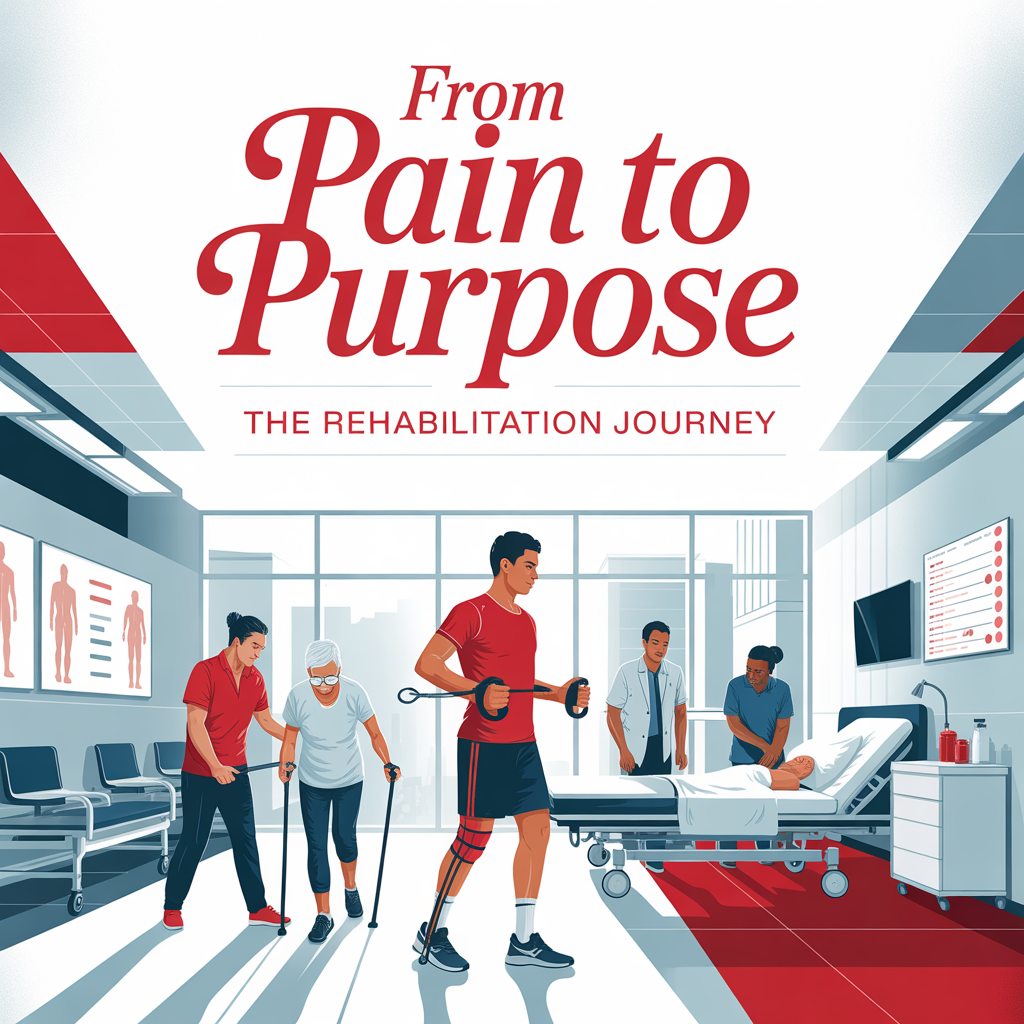
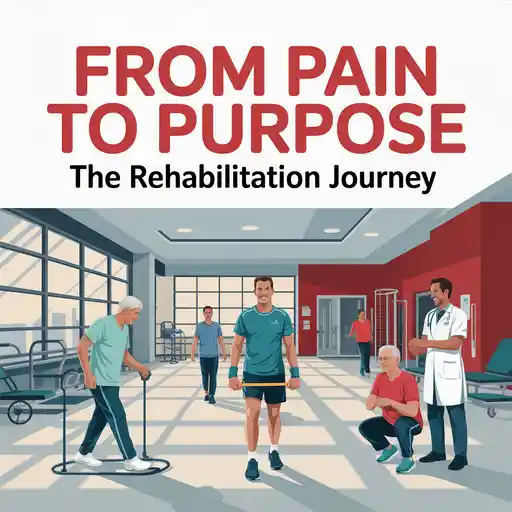
From Pain to Purpose: The Rehabilitation Journey
Life can change in a moment. An accident, illness, or addiction can take away health, confidence, and peace of mind. But recovery is not the end of the road — it’s the beginning of a new one. From Pain to Purpose: The Rehabilitation Journey is a story of healing, patience, and rediscovering strength when everything seems lost.
Rehabilitation is not just about physical healing. It is about helping people return to normal life — emotionally, mentally, and socially. Whether it’s recovering from an injury, learning to live without addiction, or overcoming depression, rehabilitation centers in Pakistan play a vital role in giving people a second chance at life.
Understanding the Meaning of Rehabilitation
Rehabilitation means restoring a person to their best possible level of function and independence. It involves medical treatment, physical therapy, counseling, and emotional support. Many people think rehabilitation is only for those with drug addiction or accidents, but that’s not true. It can help anyone who faces physical or emotional challenges — from stroke patients to those dealing with trauma or mental health issues.
When someone starts this process, it’s often filled with fear and doubt. Many people feel lost in the beginning. But with the right guidance and environment, they slowly start to see progress. They learn that recovery is not about perfection; it’s about growth. That is the heart of From Pain to Purpose: The Rehabilitation Journey — turning moments of struggle into lessons of strength.
The First Step: Accepting Help
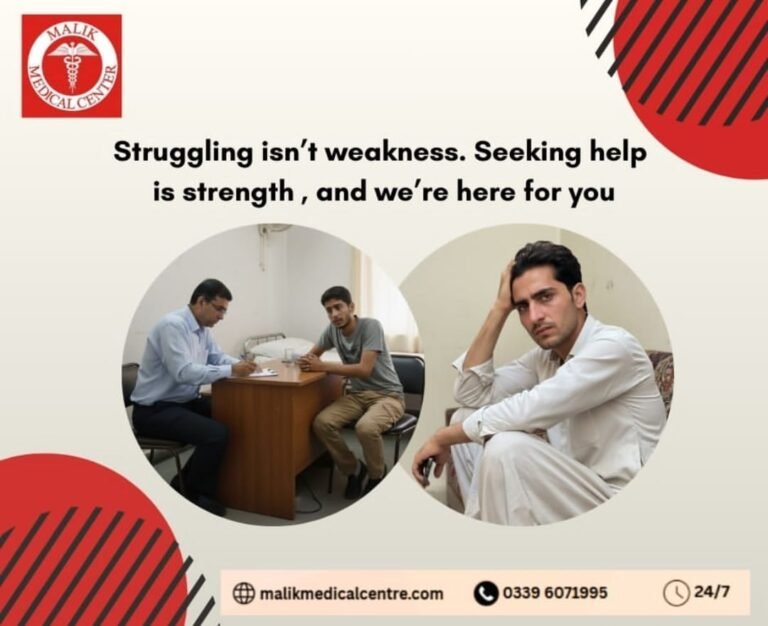
The first step in rehabilitation is accepting that help is needed. It’s not a sign of weakness — it’s a sign of courage. When a person decides to walk into a rehabilitation center, they take control of their future. Trained doctors, therapists, and counselors create a personalized plan based on each individual’s needs.
For addiction treatment, detox and counseling may come first. For physical injuries, physiotherapy and medical support begin right away. Emotional healing often takes the longest, but it is also the most rewarding. As people start to regain trust in themselves, they begin to see that they are capable of living a better, more meaningful life.
Support Systems and Teamwork
Recovery is never a solo effort. Family members, friends, and caregivers all play a role. In modern rehabilitation centers across Pakistan, teamwork between patients and professionals builds a safe and encouraging environment.
Therapists use methods like cognitive behavioral therapy (CBT), group discussions, yoga, and art therapy to help individuals express themselves and deal with stress. Physical therapists use exercise and technology to restore movement and flexibility. This teamwork helps people rebuild both body and mind.
Rehabilitation in Pakistan – A Growing Hope
Pakistan has made great progress in the field of rehabilitation in recent years. Centers such as New Life Rehab, Sunny Trust, and Focus Life Rehabilitation Center are providing world-class services for addiction and physical recovery. Facilities now include comfortable spaces, medical supervision, and personalized recovery plans.
Many rehabilitation centers are also working on awareness campaigns to remove the stigma attached to mental health and addiction. Families are learning that seeking help early can prevent long-term damage. Programs that include spiritual healing and counseling are especially popular because they connect patients to hope and faith — two essential parts of recovery.
Finding Purpose After Pain
The greatest goal of rehabilitation is not just to heal the body, but to give people a purpose. Once someone goes through a life-changing experience, they often find new meaning in their journey. Some start helping others in similar situations. Some build new careers, strengthen relationships, or take up creative hobbies.
That’s why the title From Pain to Purpose: The Rehabilitation Journey fits perfectly — because recovery is more than treatment; it’s transformation. Each person’s story is unique. The pain that once felt unbearable becomes the foundation for growth. People begin to see that they are stronger than they ever imagined.
Life After Recovery
Recovery doesn’t end when someone leaves the rehabilitation center. It continues every day. Staying consistent with therapy, maintaining a healthy lifestyle, and staying connected to supportive people are the keys to long-term success.
After completing rehabilitation, many people share that they feel more grateful, focused, and emotionally aware. They value life more and learn to manage stress in healthier ways. Some even turn their experiences into motivation for others — proving that purpose can indeed come from pain.
The Role of Family and Community
No one heals alone. Family education programs are a vital part of modern rehabilitation. They help loved ones understand the recovery process and teach them how to support patients without judgment. Communities also play a major role by accepting recovering individuals back into workplaces and social circles.
Rehabilitation isn’t just a medical journey; it’s a social one too. Society must learn to view people in recovery not as victims, but as survivors — people who fought a hard battle and came out stronger.
A Journey of Faith and Strength
Faith plays a powerful role in recovery. Many people in Pakistan find comfort and strength in prayer and spirituality during their healing process. Faith offers patience when progress seems slow and courage when challenges feel overwhelming. It becomes a guiding light — one that helps people stay focused on their purpose.
In every phase of From Pain to Purpose: The Rehabilitation Journey, faith and determination work together. They remind us that healing is possible for everyone, no matter how deep the wound.
Conclusion
Healing takes time. Rehabilitation is a slow but beautiful process — one that teaches people how to live again with hope, strength, and dignity. Every step matters, every small victory counts, and every setback brings new lessons.
So if you or someone you know is struggling, remember that pain is not the end. It can be the beginning of a purpose-driven life. Rehabilitation centers across Pakistan are ready to guide individuals through this transformation — from pain, to purpose, to peace.
FAQs
People often ask: How long does rehabilitation take? It depends on the person’s condition — some recover in a few weeks, while others need months. Is rehab only for addiction? No, it also helps with physical injuries, trauma, and mental health recovery. Can family members visit during treatment? Yes, most centers allow and encourage family involvement. What is the cost of rehab in Pakistan? Prices vary based on the facility and treatment plan, but many offer affordable options. Is full recovery possible? With commitment, professional support, and follow-up care, most patients regain control of their lives and stay healthy.