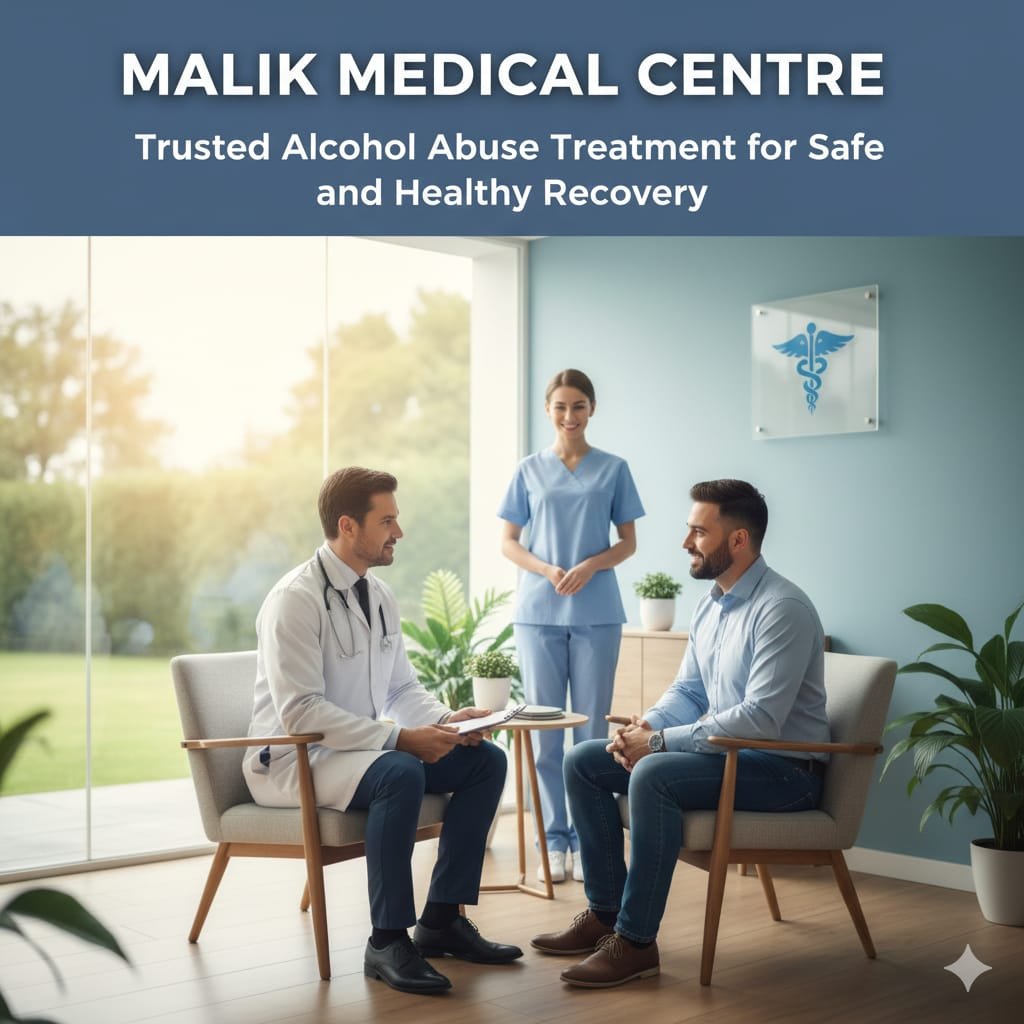
Trusted Alcohol Abuse Treatment for Safe and Healthy Recovery
Alcohol dependence does not begin suddenly. It often starts quietly, becoming part of daily routines before its impact is fully understood. Over time, drinking shifts from choice to necessity, affecting health, relationships, and emotional stability. Many people delay seeking help because they believe they can manage it alone or feel ashamed to admit the problem. Reaching out for alcohol abuse treatment is a strong and responsible decision that opens the door to healing. Understanding that alcohol dependence is a medical and emotional condition, not a moral failure, helps individuals and families take the first step toward recovery with confidence rather than fear.
Alcohol affects both the body and the mind. Physically, it interferes with liver function, sleep cycles, and brain chemistry. Emotionally, it can deepen anxiety, depression, and irritability. As dependence grows, people often feel trapped between wanting to stop and feeling unable to do so. This internal conflict can be exhausting and isolating. Recognizing these signs early and understanding that professional support exists can prevent further harm and create a safer path forward. Recovery becomes possible once the problem is clearly acknowledged and addressed with care.
Why Professional Treatment Is Essential for Lasting Recovery
Many people attempt to quit alcohol on their own, only to face withdrawal symptoms, emotional instability, or relapse. Alcohol withdrawal can be physically dangerous when not managed properly. Professional care provides medical supervision, emotional guidance, and a structured environment that reduces risks and supports stability. When individuals enter ALCOHOL ABUSE TREATMENT, they receive help tailored to their specific situation rather than a one-size-fits-all solution.
Professional treatment programs focus on safety first. Medical teams monitor physical symptoms while therapists address the emotional causes behind drinking. This combined approach ensures that recovery is not just about stopping alcohol use but also about learning how to live without it. Treatment centers also remove daily triggers that often lead to drinking, allowing the mind and body to rest and reset. This safe space gives individuals the clarity they need to focus fully on healing.
Another key benefit of professional treatment is consistency. Recovery requires time, patience, and routine. Treatment centers offer structured schedules that bring balance back into daily life. Over time, this structure helps rebuild trust in oneself and in the recovery process. Instead of feeling overwhelmed, individuals begin to feel supported and guided step by step.
The Role of Therapy in Alcohol Abuse Recovery
Therapy is a cornerstone of effective alcohol recovery. While medical care addresses physical dependence, therapy explores the deeper emotional reasons behind alcohol use. Many people drink to cope with stress, trauma, loneliness, or unresolved pain. Therapy provides a safe and non-judgmental space to understand these patterns and learn healthier ways to respond.
Individual therapy helps people recognize triggers and emotional responses that lead to drinking. With guidance, they learn how to manage cravings, regulate emotions, and develop coping skills that support long-term sobriety. Group therapy also plays an important role by reminding individuals that they are not alone. Listening to others share similar struggles creates connection, understanding, and motivation to continue.
In the middle of recovery, many individuals experience moments of doubt or emotional discomfort. This is where structured therapy within ALCOHOL ABUSE TREATMENT becomes especially valuable. Therapists help individuals navigate these challenges without returning to alcohol. Over time, therapy builds emotional strength, self-awareness, and resilience, making relapse less likely.
Building Healthy Routines and Emotional Stability
Alcohol dependence often disrupts daily routines, sleep patterns, and personal responsibilities. Recovery involves rebuilding these areas slowly and intentionally. Treatment programs focus on restoring balance by introducing healthy routines that support both physical and mental wellbeing. Regular sleep, nutritious meals, and planned activities help stabilize the body and mind.
Emotional stability is equally important. During recovery, individuals may experience mood swings, anxiety, or frustration as their body adjusts to life without alcohol. Learning how to handle these emotions without turning to alcohol is a critical part of healing. Through counselling and daily structure, individuals begin to feel more grounded and in control.
Healthy routines also prepare individuals for life after treatment. Simple habits like waking up at a regular time, practicing self-care, and engaging in meaningful activities build confidence and independence. These routines become protective factors that support sobriety long after treatment ends. Recovery is not just about removing alcohol but about creating a life that feels worth protecting.
Family Support and Long-Term Recovery Planning
Alcohol abuse affects more than just the individual. Families often experience confusion, stress, and emotional pain while trying to support their loved one. Involving family members in the recovery process helps rebuild trust and improves communication. Many treatment programs offer family education sessions to explain addiction and teach healthy ways to provide support.
Understanding the nature of dependence helps families respond with patience rather than blame. When families learn how to set boundaries and offer encouragement, recovery becomes a shared effort rather than a lonely journey. Strong family support reduces the risk of relapse and helps individuals feel valued and understood.
Long-term recovery planning is also essential. Treatment does not end when the program finishes. Aftercare planning helps individuals prepare for real-world challenges by identifying support systems, follow-up therapy, and healthy coping strategies. Continued care ensures that progress made during treatment continues to grow rather than fade.
Moving Forward Toward a Healthier, Alcohol-Free Life
Recovery from alcohol dependence is a gradual process, but it leads to meaningful and lasting change. With the right support, individuals rediscover clarity, confidence, and purpose. Choosing ALCOHOL ABUSE TREATMENT provides the tools needed to face challenges without relying on alcohol. Over time, people begin to rebuild relationships, improve health, and reconnect with their goals.
The final stage of recovery focuses on maintaining balance and self-awareness. Individuals learn to recognize early warning signs and respond with healthy coping strategies. Sobriety becomes not just a goal, but a way of life supported by routine, support, and self-respect. Many people look back and realize that seeking alcohol abuse treatment was the turning point that allowed them to move forward with strength, stability, and renewed hope.
FREQUENTLY ASKED QUESTIONS (FAQs)
How do I know if I need professional alcohol abuse treatment?
If alcohol is affecting your health, relationships, work, or emotional wellbeing, professional help can provide safe and structured support.
Is alcohol withdrawal dangerous?
Yes, withdrawal can be risky without medical supervision. Professional treatment ensures safety during this phase.
How long does alcohol abuse treatment usually take?
Treatment length varies depending on individual needs, but long-term recovery often includes ongoing support beyond the initial program.
Can family members be involved in treatment?
Yes, family involvement is often encouraged and can strengthen recovery by improving understanding and communication.
Is relapse a failure?
No, relapse is part of the recovery journey for many people. It is a sign that additional support or adjustments are needed, not failure.
What happens after treatment ends?
Aftercare plans help individuals continue therapy, maintain healthy routines, and stay connected to support systems.