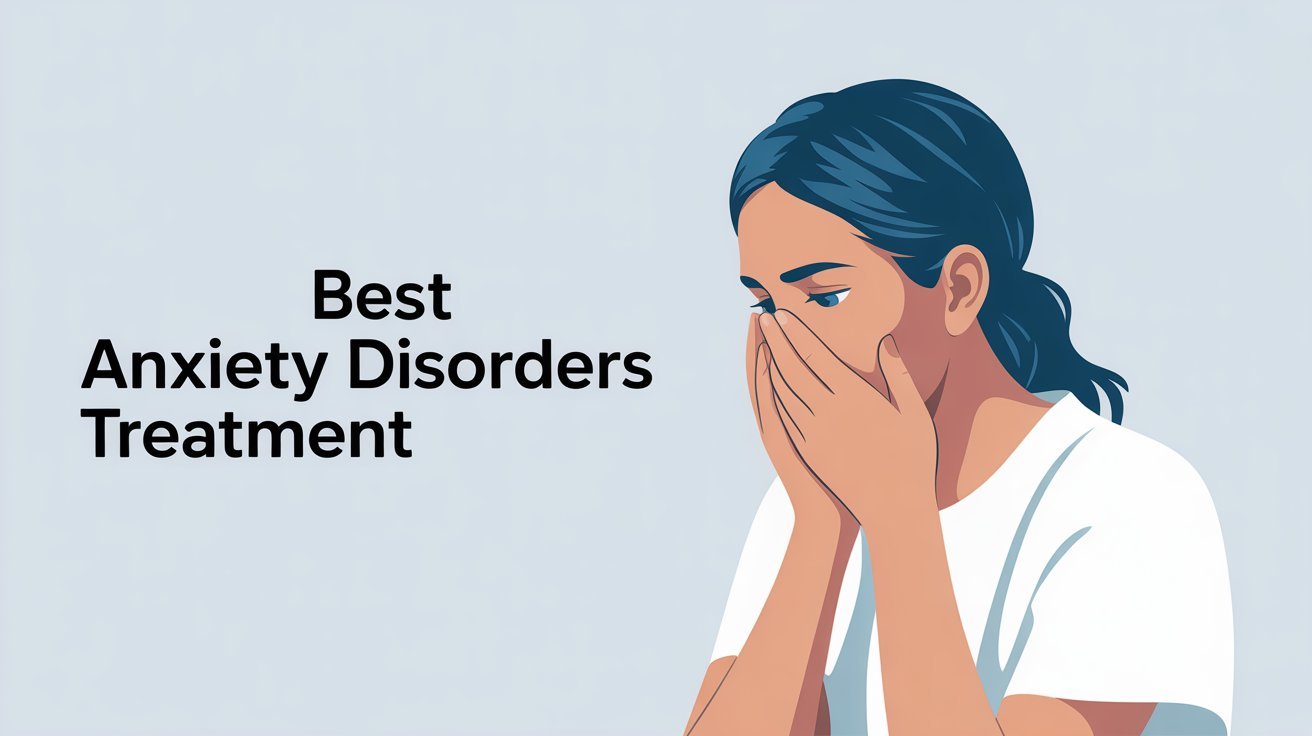
Anxiety Disorders Treatment: A Modern Guide to Finding Calm
Living with persistent anxiety can feel like being trapped in a storm of your own thoughts. Your heart races over a work email, sleep escapes you as you replay conversations, and a sense of dread colors ordinary days. If this sounds familiar, you are far from alone. Anxiety disorders are among the most common mental health conditions globally, but the most important fact to remember is this: they are highly treatable. Modern Anxiety Disorders Treatment offers more than just crisis management; it provides a clear, compassionate roadmap to understanding your anxiety, reducing its power, and reclaiming a sense of calm and control in your life.
It’s crucial to distinguish between everyday worry and a clinical anxiety disorder. While worry is a normal emotion, an anxiety disorder is characterized by excessive, persistent fear or worry that interferes with daily activities like job performance, schoolwork, or relationships. This could manifest as generalized anxiety, panic attacks, social anxiety, or specific phobias. Recognizing that these overwhelming feelings have a name and, more importantly, a solution is the first brave step toward healing. Seeking professional Anxiety Disorders Treatment is not a sign of weakness, but a proactive decision to invest in your long-term well-being.
Understanding the Modern Treatment Approach
Effective Anxiety Disorders Treatment today is not a one-size-fits-all solution. Instead, it is a personalized, multi-strategy approach often referred to as a “toolbox.” Think of it this way: you wouldn’t use only a hammer to build an entire house. Similarly, managing anxiety successfully often requires combining different evidence-based tools to address the unique biological, psychological, and behavioral aspects of your experience. This holistic model ensures that treatment targets not just the symptoms, but also the underlying thought patterns and life factors that fuel them.
Core Components of Effective Treatment
A comprehensive treatment plan is typically built on several core pillars, which can be used alone or, more often, in combination for the strongest effect.

1. Psychotherapy: Rewiring Thought Patterns
Psychotherapy, or talk therapy, is the cornerstone of most Anxiety Disorders Treatment plans. It provides a safe space to explore the roots of your anxiety with a trained professional.
- Cognitive Behavioral Therapy (CBT): This is the gold standard. CBT works on the principle that our thoughts, feelings, and behaviors are interconnected. A therapist helps you identify and challenge the distorted, catastrophic thought patterns (“cognitive distortions”) that fuel anxiety. You then learn to replace them with more balanced, realistic thoughts, which directly changes how you feel and act.
- Exposure and Response Prevention (ERP): Particularly effective for phobias and OCD, ERP involves gradually and safely exposing you to the source of your anxiety in a controlled setting. Through this repeated exposure without engaging in the compulsive behavior or escape, you learn that the feared outcome is unlikely, and your anxiety naturally decreases over time.
2. Medication: Balancing Brain Chemistry
For some individuals, medication is a vital component that makes therapeutic work possible. Think of it as stabilizing the foundation before renovating the house. Medications like SSRIs (Selective Serotonin Reuptake Inhibitors) or SNRIs can help correct imbalances in brain chemistry, reducing the overall intensity of anxiety symptoms. It’s important to note that medication is most effective when combined with therapy. A psychiatrist can guide you on the right type, dosage, and duration, ensuring it supports your broader treatment goals.
3. Lifestyle and Mind-Body Techniques: Building Resilience
Sustainable management of anxiety extends beyond the therapist’s office. Integrating wellness practices builds your body’s resilience to stress, which is a key part of long-term Anxiety Disorders Treatment.
- Mindfulness and Meditation: These practices train you to observe anxious thoughts and physical sensations without judgment, reducing their power to trigger a full-blown anxiety spiral.
- Regular Physical Exercise: Activity is a powerful natural anti-anxiety remedy. It burns off stress hormones like cortisol and adrenaline and releases endorphins, which improve mood.
- Sleep Hygiene and Nutrition: Chronic sleep deprivation and a poor diet can significantly worsen anxiety. Establishing a regular sleep schedule and eating balanced meals stabilize your energy and mood, creating a stronger base for coping.
The Journey of Treatment: What to Expect
Beginning treatment is a process. It often starts with a thorough assessment by a psychologist or psychiatrist to understand the specific type and severity of your anxiety. From there, you and your provider will collaborate on a tailored plan. Progress is rarely a straight line—some weeks will be easier than others. The key is consistency and compassion for yourself. Over time, you will gather more tools, understand your triggers better, and notice that situations that once felt overwhelming become manageable. This gradual mastery is the true goal of treatment: not the elimination of all anxiety, but the ability to live a full life despite it.
5 FAQs About Anxiety Disorders Treatment
1. How long does treatment for anxiety usually take?
There’s no fixed timeline, as it depends on the individual and the severity of the anxiety. Some people see significant improvement within a few months of consistent CBT, while others may engage in therapy for a longer period. Think of it as building a skill; it takes practice and time.
2. Will I have to take medication forever?
Not necessarily. Medication is often used as a medium-term support. Many people use medication for 6-18 months to gain stability while they develop strong coping skills in therapy. You and your doctor will regularly assess your need for medication, and many people successfully taper off it after a period of stability.
3. Can I treat my anxiety on my own without professional help?
While lifestyle changes like exercise and mindfulness are incredibly helpful for management, professional Anxiety Disorders Treatment is recommended for a diagnosed disorder. A therapist provides an objective perspective, evidence-based techniques, and structured support that is difficult to replicate on your own, especially for breaking deep-seated thought and behavior patterns.
4. What if therapy makes me feel more anxious at first?
This can be a normal part of the process, especially in therapies like ERP or when discussing difficult topics. A good therapist will work at a pace you can handle and will equip you with calming skills to use if you feel overwhelmed. Temporary discomfort while building new neural pathways is common, but it should not feel re-traumatizing.
5. How do I find the right therapist or doctor?
Start by looking for licensed professionals (psychologists, psychiatrists, licensed clinical social workers) who list anxiety as a specialty. You can ask your primary care doctor for a referral, use online directories from professional associations, or contact local mental health clinics. It’s perfectly acceptable to have a consultation with a provider to see if their style feels like a good fit for you.
Embracing a Life with Less Fear
Choosing to pursue Anxiety Disorders Treatment is one of the most empowering decisions you can make. It is a commitment to moving from a life restricted by fear to one guided by your values and aspirations. The path requires patience and courage, as it involves facing discomfort to build new, healthier habits of mind. However, the reward—a quieter mind, restored energy, and the freedom to engage fully in your relationships and passions—is profound. With the right combination of professional support and personal practice, you can learn to turn down the volume of your anxiety and turn up the volume of your life. Remember, seeking help is the first and most significant step on your journey back to calm.