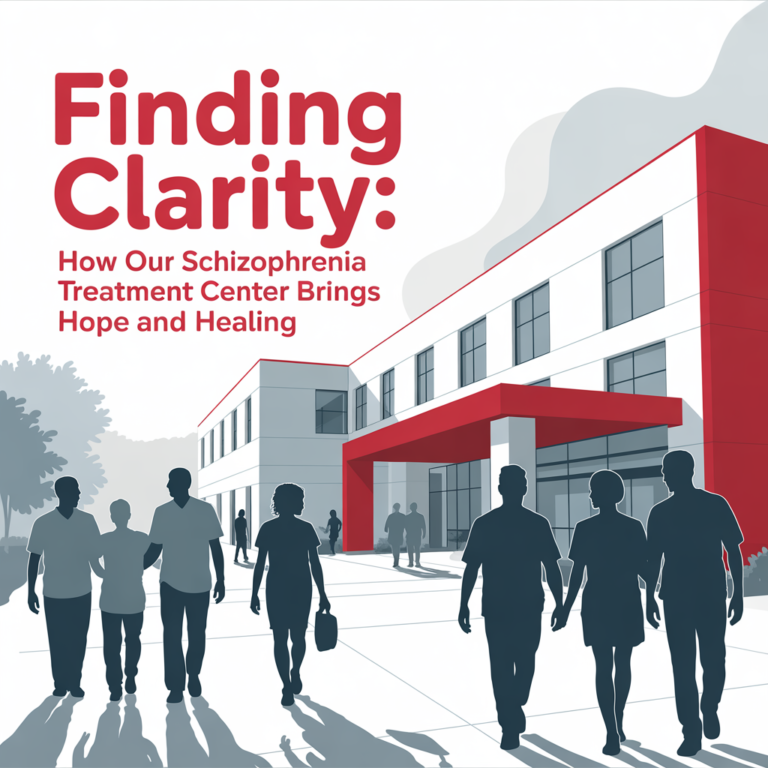

Schizophrenia Treatment in Pakistan: Best Hospitals, Doctors, and Therapies
Introduction
Schizophrenia is a long-term mental health disorder that affects a person’s thinking, emotions, and behavior. It can cause confusion, strange beliefs, and difficulty in understanding what is real and what is not. Many people in Pakistan still do not understand this illness, which leads to delays in seeking help. However, mental health awareness is growing, and treatment options have improved across the country. Patients now have access to skilled doctors, advanced hospitals, and effective therapies designed to help them live normal and fulfilling lives.
Understanding Schizophrenia and Its Challenges
Schizophrenia often appears in young adults, usually between the ages of 18 and 30. People with this condition may experience hallucinations, delusions, or disorganized thoughts. They might hear voices that others cannot or believe things that are not true. These symptoms can be frightening, not only for the patient but also for their family.
In Pakistan, one of the main challenges in managing schizophrenia is the social stigma attached to mental illness. Many families hide the problem or turn to spiritual healers before consulting a doctor. This delay can make the condition worse. Education and early treatment are crucial for recovery and stability.
Access to Schizophrenia Treatment in Pakistan
In recent years, access to schizophrenia treatment in Pakistan has improved significantly. Major cities such as Lahore, Karachi, Islamabad, and Peshawar have hospitals that specialize in psychiatric care. The government and private sectors are both contributing to the development of mental health facilities.
Diagnosis and Early Intervention
Early diagnosis plays a big role in successful treatment. If symptoms such as withdrawal from society, loss of motivation, or strange speech patterns appear, it is important to seek help immediately. Psychiatrists use interviews, medical history, and behavior assessments to identify schizophrenia. The sooner treatment begins, the better the long-term results.
In many Pakistani families, the first signs of schizophrenia are misunderstood as stress, depression, or even spiritual possession. Awareness campaigns by mental health organizations are helping people recognize the symptoms and get medical help without shame or fear.

Medication and Therapy Options
The main treatment for schizophrenia involves antipsychotic medication, which helps reduce hallucinations, delusions, and confusion. These medicines work by balancing brain chemicals that affect mood and thinking. Psychiatrists adjust the type and dose according to the patient’s needs.
Along with medication, therapy plays an important role. Cognitive Behavioral Therapy (CBT) helps patients manage negative thoughts and improve decision-making. Family therapy is also widely used in Pakistan, as family support is a key factor in recovery. When family members understand the illness, they can provide emotional care and reduce stress at home.
Some clinics also include occupational therapy, art therapy, and social skills training to help patients rebuild confidence and live independently.
Rehabilitation and Long-Term Support
Rehabilitation centers in Pakistan provide structured environments where patients can continue their recovery journey. These centers teach daily life skills, promote healthy habits, and encourage positive thinking. Some rehabilitation programs even offer job training so that recovered patients can find employment and become independent again.
In cities like Lahore and Karachi, NGOs are actively supporting mental health awareness and providing free counseling sessions for low-income families. They also organize community programs to help reduce stigma and promote understanding about schizophrenia and other mental illnesses.
Family and Social Support
Family plays a central role in the Pakistani culture, and this is especially true for mental health recovery. Patients who have caring and understanding families tend to recover faster. Families are advised to stay patient, avoid criticism, and motivate the patient to take medication regularly.
Support groups and counseling sessions for families are also available in some hospitals. These sessions teach how to handle emotional stress, recognize relapse signs, and create a supportive home environment.
Modern Developments and Future Outlook
The future of schizophrenia treatment in Pakistan looks promising. With the rise of telepsychiatry, patients in remote areas can now talk to doctors online and receive professional advice. Universities and hospitals are introducing advanced psychiatry programs to train more specialists.
The government is also beginning to include mental health care in national health policies. This step ensures that every citizen, no matter where they live, can get access to professional mental health support.
As awareness spreads through social media, television, and educational campaigns, more people are starting to see schizophrenia as a treatable medical condition rather than a taboo.
Living a Healthy Life with Schizophrenia
Patients with schizophrenia can live peaceful, stable lives if they follow treatment plans, take medicines regularly, and stay active. Exercise, a balanced diet, proper sleep, and avoiding drugs or alcohol are simple but effective ways to support mental health.
Many people in Pakistan also find comfort in spiritual practices such as prayer, meditation, and community involvement. These activities bring peace of mind and give strength to continue the recovery journey.
FAQs
People often ask if schizophrenia can be fully cured; while it cannot be completely cured, it can be managed very well with long-term treatment. Many also wonder about the cost of care in Pakistan — government hospitals are more affordable, while private ones offer advanced options. Families ask about early symptoms, which include hearing voices, social withdrawal, and strange beliefs. Another common question is whether herbal or spiritual methods can replace medication, but experts recommend using medical treatment alongside spiritual comfort. Some also ask if people with schizophrenia can work or study again, and the answer is yes — with proper therapy, medication, and support, they can lead productive lives.