Does Stress Cause Sleep Apnea? Understanding the Connection Between Stress and Breathing Disorders
Sleep problems have become incredibly common in modern life. Long work hours, financial pressure, emotional strain, and constant screen use have made quality rest harder to achieve. Many people wake up tired, groggy, or gasping for air and start wondering if stress is the reason behind it. One question that often comes up is does stress cause sleep apnea or is something else going on beneath the surface?
Sleep apnea is a serious sleep-related breathing disorder where breathing repeatedly stops and starts during sleep. Stress, on the other hand, is a mental and physical response to pressure. At first glance, they may seem unrelated. However, stress can deeply affect how we sleep, breathe, and recover at night. Understanding how these two are connected can help people take the right steps toward better sleep and overall health.
In this blog, we will explore how stress affects the body, how sleep apnea develops, and where the two overlap. Everything is explained in simple language, without medical jargon, so it is easy to understand and practical for everyday life.
Understanding Stress and How It Affects the Body
Stress is the body’s natural response to a perceived threat or challenge. When you are stressed, your brain releases hormones like cortisol and adrenaline. These hormones prepare your body to react quickly. Your heart rate increases, muscles tense up, and breathing becomes faster and shallower.
Short-term stress is not always harmful. It can help you stay alert and focused. The problem starts when stress becomes chronic. Long-term stress keeps the body in a constant state of alert, even when there is no immediate danger. This affects almost every system in the body, including sleep.
When stress levels stay high, falling asleep becomes harder. Many people lie in bed with racing thoughts, tense muscles, and rapid breathing. Sleep becomes lighter and more fragmented. Over time, this poor-quality sleep can create or worsen breathing irregularities during the night. This leads many to ask again, DOES STRESS CAUSE SLEEP APNEA, or does it simply make existing problems worse?
Stress can also weaken the immune system, increase inflammation, and contribute to weight gain. These factors indirectly increase the risk of sleep-related breathing issues, which makes stress an important piece of the puzzle.
What Is Sleep Apnea and Why It Happens
Sleep apnea is a condition where breathing stops for short periods during sleep. These pauses can last a few seconds to over a minute and may happen dozens of times per hour. Each pause forces the brain to wake the body briefly to restart breathing, even if the person does not remember waking up.
There are three main types of sleep apnea. Obstructive sleep apnea is the most common and occurs when throat muscles relax too much, blocking the airway. Central sleep apnea happens when the brain fails to send proper signals to control breathing. Complex sleep apnea is a combination of both.
The most common causes of sleep apnea include excess weight, large tonsils, jaw or airway structure, smoking, alcohol use, and certain medical conditions. Age and family history also play a role. Stress is not listed as a direct cause, but it can influence many of these risk factors.
Sleep apnea is more than just loud snoring. It can lead to daytime fatigue, poor concentration, headaches, mood changes, high blood pressure, heart disease, and diabetes. Because stress also causes fatigue and poor sleep, the symptoms of both conditions often overlap, making it hard to tell them apart without proper evaluation.
How Stress Influences Breathing and Sleep Quality
Stress changes the way you breathe, both during the day and at night. When stressed, people tend to breathe faster and more shallowly. This pattern can continue into sleep, especially during lighter sleep stages. Shallow breathing makes the airway more unstable and increases the chance of breathing disruptions.
Stress also increases muscle tension, including in the neck, jaw, and throat. Tight jaw muscles can contribute to teeth grinding and airway narrowing. In some people, stress-related tension may worsen snoring or breathing pauses during sleep.
Another major factor is sleeping position. Stress can lead to restless sleep, frequent position changes, and sleeping on the back. Back sleeping allows the tongue and soft tissues to fall backward, increasing the chance of airway blockage.
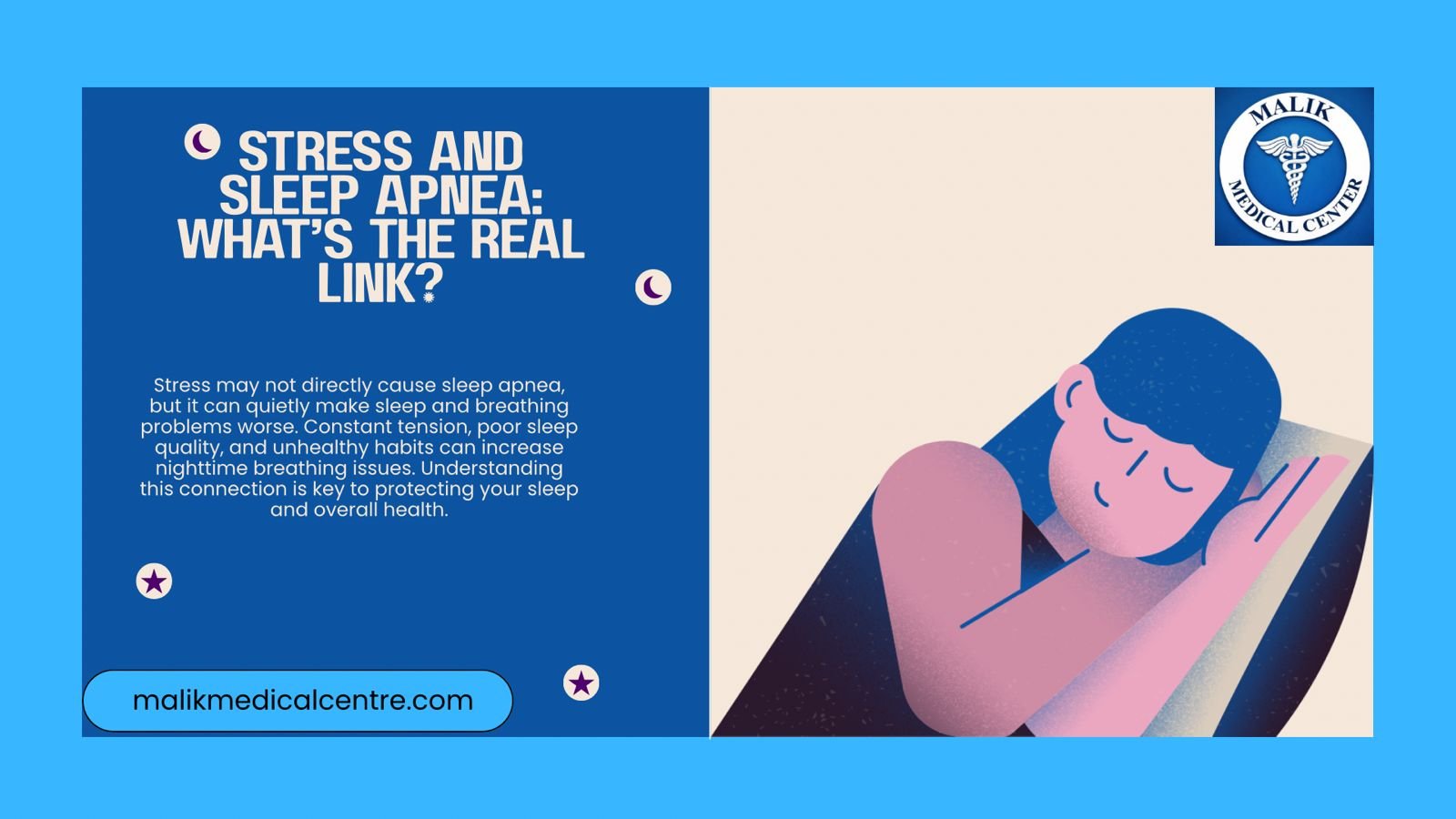
In the middle of this discussion, it is important to clarify the core concern. DOES STRESS CAUSE SLEEP APNEA in a medical sense? The answer is that stress alone does not create the physical airway collapse that defines sleep apnea. However, stress can absolutely worsen breathing patterns, increase symptom severity, and expose underlying sleep apnea that may have gone unnoticed before.
In short, stress acts as an amplifier. It turns mild breathing issues into noticeable problems and makes existing sleep apnea harder to live with.
The Indirect Link Between Stress and Sleep Apnea Risk
Stress often changes daily habits in ways that increase the risk of sleep apnea. When people are stressed, they may eat unhealthy foods, gain weight, or exercise less. Weight gain, especially around the neck, increases pressure on the airway during sleep.
Stress also increases the use of stimulants and depressants. Extra caffeine can disrupt sleep cycles, while alcohol relaxes throat muscles too much. Alcohol before bed is a known trigger for sleep apnea episodes, even in people without a diagnosis.
Mental health conditions linked to stress, such as anxiety and depression, also play a role. Anxiety can cause hypervigilance and light sleep, while depression can change sleep architecture. Medications used to treat these conditions may also affect breathing during sleep.
Another overlooked factor is inflammation. Chronic stress increases inflammation throughout the body, including the airway tissues. Swollen nasal passages or throat tissues can narrow the airway and make breathing more difficult at night.
All these indirect effects show that while stress may not be the root cause, it can create the perfect environment for sleep apnea to develop or worsen over time.
Managing Stress to Improve Sleep and Breathing
Reducing stress is not a cure for sleep apnea, but it can significantly improve sleep quality and reduce symptom severity. Stress management should be part of a broader approach to better sleep health.
Simple habits like maintaining a consistent sleep schedule help regulate the body’s internal clock. Going to bed and waking up at the same time each day makes it easier to fall asleep and stay asleep.
Relaxation techniques before bed are also powerful. Deep breathing, gentle stretching, meditation, or reading can calm the nervous system. Avoiding screens at least an hour before bedtime reduces mental stimulation and helps melatonin production.
Physical activity during the day reduces stress hormones and improves sleep quality. Even light exercise like walking can make a difference. However, intense workouts should be avoided close to bedtime.
If sleep apnea is suspected, medical evaluation is essential. Stress management alone is not enough. Treatments like CPAP therapy, oral appliances, weight management, or positional therapy may be needed depending on the severity of the condition.
When stress and sleep apnea are addressed together, people often see the best results. Better breathing leads to deeper sleep, and deeper sleep makes stress easier to handle.
Conclusion and Key Takeaways
The relationship between stress and sleep apnea is complex but important to understand. Stress affects sleep quality, breathing patterns, muscle tension, and daily habits that influence airway health. While it does not directly create sleep apnea, it can worsen symptoms and reveal hidden problems.
As we reach the end of this discussion, the final answer becomes clear. DOES STRESS CAUSE SLEEP APNEA on its own? No. But stress plays a powerful supporting role that should not be ignored. Managing stress, improving sleep habits, and seeking proper medical care can dramatically improve both sleep and overall well-being.
If you or someone you care about struggles with chronic stress and poor sleep, paying attention to breathing at night could be an important first step toward better health.
Frequently Asked Questions (FAQs)
Can stress trigger sleep apnea symptoms suddenly?
Stress can make existing sleep apnea symptoms more noticeable by disrupting sleep and increasing muscle tension, but it does not suddenly create the condition.
Does anxiety cause sleep apnea?
Anxiety does not directly cause sleep apnea, but it can worsen sleep quality and breathing patterns, making symptoms feel more severe.
Can reducing stress improve sleep apnea?
Lowering stress can improve sleep quality and reduce symptom intensity, but medical treatment is still necessary for diagnosed sleep apnea.
Is stress-related snoring the same as sleep apnea?
No. Snoring can be caused by stress-related muscle tension, but sleep apnea involves repeated breathing pauses and requires proper diagnosis.
Should I see a doctor if stress and poor sleep happen together?
Yes. A healthcare provider can help determine whether symptoms are stress-related, sleep apnea, or a combination of both.