Ensuring Safe Medicines: The Role of the Drug Regulatory Authority of Pakistan
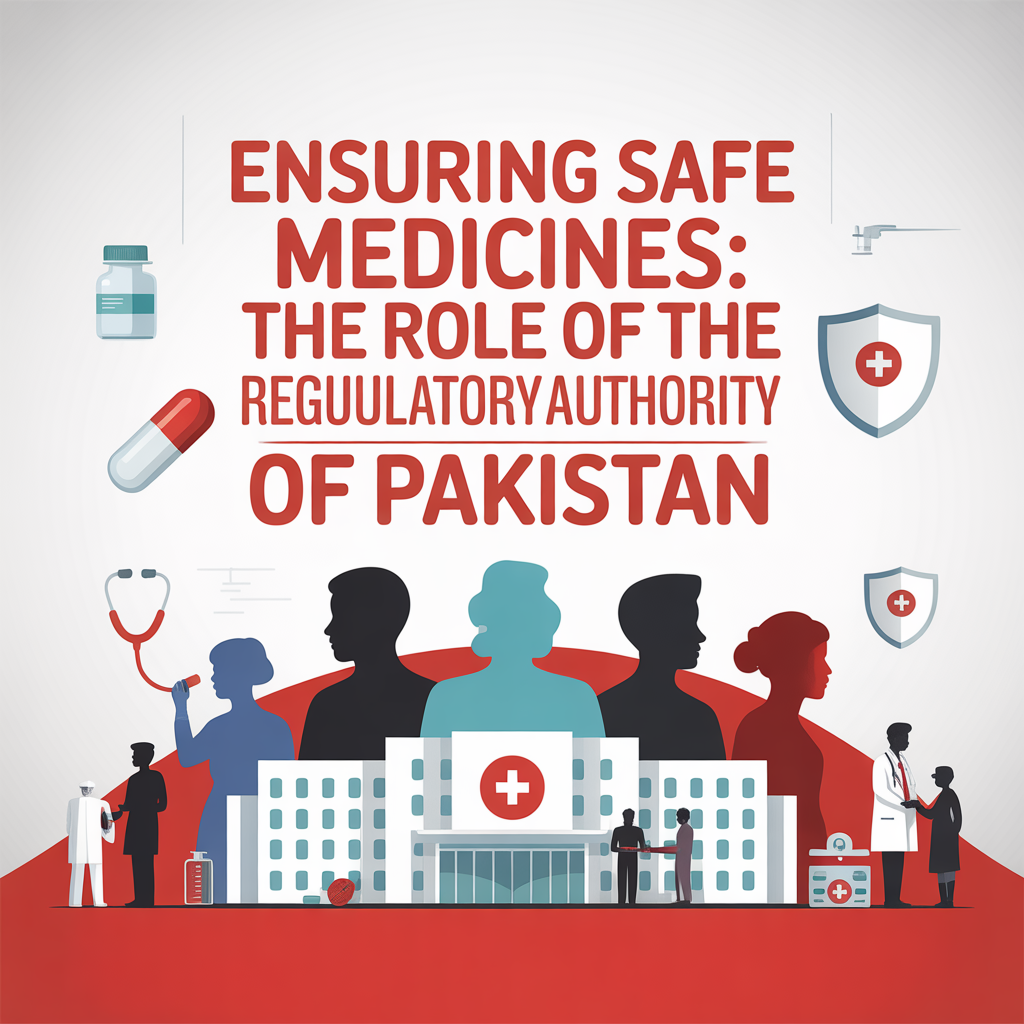
Medicines are one of the most important parts of healthcare. People use them every day to treat illnesses, reduce pain, and save lives. But to make sure medicines are safe and effective, there must be a system to check their quality before they reach patients. In Pakistan, this important responsibility is handled by the Drug Regulatory Authority of Pakistan, commonly known as DRAP. This organization plays a vital role in protecting public health by making sure that all medicines available in the country are safe, effective, and of good quality.
The Drug Regulatory Authority of Pakistan
The Drug Regulatory Authority of Pakistan was established in 2012 under the DRAP Act. Before this, drug regulation in Pakistan was managed by the Ministry of Health. The creation of DRAP was a big step forward, as it brought a more focused, organized, and transparent system for regulating medicines and health products. DRAP’s mission is to ensure that people in Pakistan have access to safe, effective, and affordable medicines and medical devices. It also promotes the growth of the pharmaceutical industry while maintaining strict standards of safety and quality.
To achieve this
To achieve this, DRAP has several departments and divisions, each with a specific job. These include divisions for drug licensing, registration, inspection, laboratory testing, pricing, and pharmacovigilance (the monitoring of side effects or adverse reactions). Every division works closely with hospitals, pharmacies, manufacturers, and importers to make sure that the medicines being sold in the market are genuine and meet the required standards.
One of DRAP’s main functions is drug registration. Before any medicine can be sold in Pakistan, it must be registered with DRAP. This process involves checking the drug’s ingredients, manufacturing methods, and scientific data to ensure that it is safe and effective. Only after passing this review does the medicine receive approval for sale. This step protects patients from harmful or fake medicines.
Another key responsibility is licensing pharmaceutical manufacturers. DRAP inspects factories and facilities where medicines are made to ensure they follow Good Manufacturing Practices (GMP). These are international quality standards that make sure medicines are produced in clean environments using proper equipment and trained staff. Regular inspections help maintain these standards and prevent poor-quality drugs from entering the market.
In addition to local production
In addition to local production, Pakistan also imports many medicines and medical devices from other countries. DRAP checks all imported products to make sure they meet the same safety and quality standards as locally produced ones. This includes checking storage conditions, labeling, and expiry dates. The authority also monitors the distribution system to prevent illegal or counterfeit products from being sold.
The Drug Regulatory Authority of Pakistan also plays a major role in pharmacovigilance, which means monitoring the safety of medicines after they reach the market. Sometimes, a drug may show side effects that were not known during its testing phase. In such cases, DRAP collects reports from healthcare professionals, hospitals, and even patients. These reports are analyzed to determine if any action is needed, such as issuing a warning, changing the label, or even removing the product from the market.
Another area where DRAP has made progress is drug pricing. The authority works to ensure that the prices of medicines remain fair and reasonable. While pharmaceutical companies need to earn profit to continue production, patients should not be overcharged. DRAP balances these interests by approving and regulating the prices of both locally made and imported drugs.
In recent years
In recent years, DRAP has also focused on modernization and digital transformation. The organization is moving towards online systems for licensing, registration, and reporting. This makes the process faster, more transparent, and easier for pharmaceutical companies as well as healthcare providers. Digital records also reduce the chances of corruption or manual errors.
Public awareness
Public awareness is another key part of DRAP’s mission. Many people in Pakistan still buy medicines without prescriptions or from unlicensed stores. To address this, DRAP conducts awareness campaigns to educate people about the dangers of self-medication and counterfeit drugs. It also encourages the public to report any suspicious products they come across. This partnership between the public and the authority is important to build a safer healthcare system.
The Drug Regulatory Authority of Pakistan also collaborates with international organizations like the World Health Organization (WHO) and other drug regulatory bodies around the world. This helps Pakistan stay updated with global best practices in medicine regulation. By following international standards, DRAP ensures that Pakistani medicines can also compete in global markets.
Despite its achievements
Despite its achievements, DRAP faces challenges too. Pakistan’s population is large, and the demand for medicines is increasing every year. Keeping up with the growing number of pharmaceutical companies, importers, and new drugs requires continuous improvement in capacity, technology, and staff training. However, with consistent efforts, DRAP continues to strengthen its systems to meet these challenges effectively.
In the future
In the future, DRAP aims to focus more on innovation and research. The pharmaceutical industry in Pakistan has great potential, and with proper regulation and support, it can not only meet local demand but also export high-quality medicines globally. By encouraging transparency, accountability, and scientific development, DRAP is contributing to a healthier and stronger Pakistan.
In summary
In summary, the Drug Regulatory Authority of Pakistan is a key pillar of the country’s healthcare system. Its job goes beyond just approving medicines — it ensures that every medicine reaching the people of Pakistan is safe, effective, and affordable. Through regulation, inspection, awareness, and innovation, DRAP continues to protect the health of millions. Its mission is not only about controlling medicines but also about building trust between the public, healthcare providers, and the pharmaceutical industry.
FAQs
People often ask what DRAP actually does and why it is important. The main questions include: How can I check if a medicine is registered with DRAP? Can I report a fake or harmful drug to DRAP, and how? Does DRAP control the prices of medicines in Pakistan? What is the process for a company to get a license to manufacture medicines? How does DRAP ensure imported drugs are safe? What should I do if I face side effects after taking a medicine? Does DRAP also regulate herbal and homeopathic medicines? Can the public access DRAP’s list of approved drugs? How does DRAP work with international health organizations? And finally, what steps is DRAP taking to digitalize its services for easier public access?