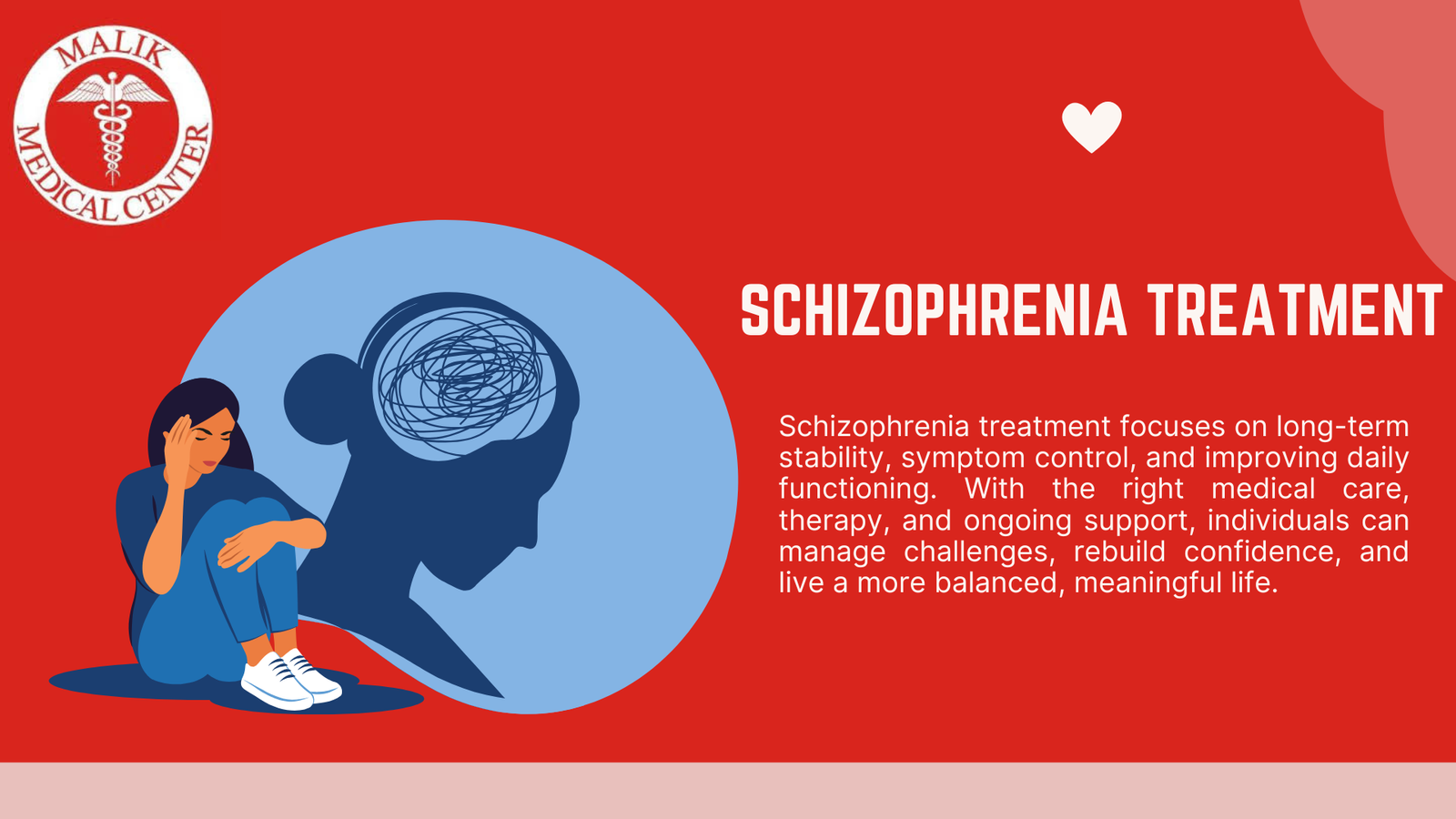
Improving Quality of Life with Schizophrenia Treatment
Living with schizophrenia can feel overwhelming, both for the person experiencing it and for their loved ones. The condition affects how someone thinks, feels, and relates to the world around them. With the right schizophrenia treatment, many people can manage symptoms, regain stability, and live meaningful, independent lives. Treatment is not just about reducing symptoms. It is about restoring confidence, purpose, and daily functioning.
Early understanding and support play a major role in recovery. When people learn that schizophrenia is a medical condition and not a personal failure, they are more likely to seek help. With proper care, patience, and consistency, improvement is possible. Quality of life can increase significantly when treatment focuses on the whole person, not just the diagnosis.
Understanding Schizophrenia and Daily Challenges
Schizophrenia is a long-term mental health condition that affects perception, thinking, emotions, and behavior. People may experience hallucinations, delusions, disorganized thoughts, or reduced emotional expression. These symptoms can make daily tasks, relationships, and work life difficult.
Beyond visible symptoms, there are hidden struggles. Many individuals deal with social withdrawal, low motivation, difficulty concentrating, and emotional flatness. These challenges often lead to isolation and low self-esteem. Family members may feel confused or helpless when trying to offer support.
It is important to understand that schizophrenia varies from person to person. Some people experience mild symptoms with long periods of stability, while others need ongoing support. Acceptance and education help reduce fear and stigma, making it easier to move forward with SCHIZOPHRENIA TREATMENT and long-term care planning.
Importance of Early Diagnosis and Consistent Care
Early diagnosis can make a significant difference in managing schizophrenia. When treatment starts soon after symptoms appear, the risk of severe episodes and long-term disability decreases. Early care helps protect brain function and supports emotional balance.
Consistent treatment is just as important as early intervention. Stopping medication or therapy without guidance often leads to relapse. Regular follow-ups with mental health professionals help adjust treatment plans based on changing needs. This stability allows individuals to focus on personal goals instead of constant symptom management.
Family involvement also matters. When families understand the condition and treatment process, they can provide better emotional and practical support. A strong support system improves treatment adherence and helps individuals feel less alone in their journey.
Medical and Therapeutic Approaches to Treatment
Schizophrenia is usually managed through a combination of medication and therapy. Antipsychotic medications help reduce hallucinations, delusions, and thought disturbances. Finding the right medication may take time, as responses vary from person to person.
Therapy helps address emotional, behavioral, and social challenges. Cognitive behavioral therapy supports healthier thinking patterns and coping skills. Psychosocial therapy focuses on communication, relationships, and daily functioning. These approaches work together to support long-term recovery.
At the mid-stage of recovery, SCHIZOPHRENIA TREATMENT often expands beyond symptom control. It includes stress management, relapse prevention, and building independence. When treatment plans are personalized, individuals feel more in control and hopeful about the future.
Improving Daily Life, Skills, and Independence
Quality of life improves when individuals are supported in daily living. Structured routines help manage stress and reduce confusion. Simple habits like regular sleep, balanced meals, and physical activity have a strong impact on mental health.
Skill-building programs play an important role. Social skills training helps people communicate better and rebuild relationships. Vocational training supports return to work or education, boosting confidence and financial independence. These steps help individuals feel useful and connected to society.
Emotional support is equally important. Encouragement, patience, and understanding from caregivers and peers create a safe environment for growth. Recovery is not about perfection. It is about progress, self-respect, and the ability to handle challenges with support.
Reducing Stigma and Strengthening Support Systems
Stigma remains one of the biggest barriers to recovery. Fear of judgment often prevents people from seeking help or continuing treatment. Education helps change harmful beliefs and promotes empathy within communities.
Support groups offer shared understanding and hope. Talking to others who face similar challenges reduces isolation and builds emotional strength. Families also benefit from counseling and education, helping them respond with compassion instead of frustration.
Community-based programs provide long-term stability. Access to mental health services, housing support, and employment assistance makes recovery sustainable. When society supports mental health openly, individuals feel valued rather than excluded.
Improving quality of life with schizophrenia is a gradual process that requires understanding, patience, and commitment. With the right SCHIZOPHRENIA TREATMENT, individuals can manage symptoms, rebuild confidence, and create meaningful routines. Support from healthcare providers, family, and the community turns recovery into a realistic and hopeful path forward.
Frequently Asked Questions (FAQs)
Can people with schizophrenia live a normal life?
Many people live productive and fulfilling lives with proper treatment, support, and self-care.
Is schizophrenia treatment lifelong?
Treatment is usually long-term, but plans may change over time based on symptoms and progress.
Do medications change personality?
Medications aim to reduce symptoms, not personality. Adjustments can be made if side effects occur.
How can families help someone with schizophrenia?
By learning about the condition, offering emotional support, and encouraging treatment consistency.
Is recovery really possible?
Yes. Recovery looks different for everyone, but improvement and stability are achievable goals.