Understanding Psychosis in Teens and Treatment Options
Teenage years are a time of rapid change. Emotional growth, brain development, social pressure, and academic stress all collide at once. While mood swings and identity struggles are common during adolescence, some mental health symptoms go far beyond what is considered normal. Psychosis in teenagers can be frightening for both the teen and their family. Early understanding and access to psychosis treatment for teenagers can make a life-changing difference.
Psychosis is not a personality flaw or a sign of weakness. It is a mental health condition that affects how a person perceives reality. When addressed early with the right medical and therapeutic care, many teens recover well and regain stability. Awareness, patience, and professional support are the foundation of effective treatment.
What Psychosis Looks Like in Teenagers
Psychosis usually involves changes in thinking, perception, and behavior. For teenagers, these changes can appear gradually or suddenly, making them easy to miss or misunderstand. Parents and teachers may assume the teen is simply acting out or withdrawing due to stress.
Common signs include hallucinations, such as hearing voices or seeing things that are not there. Delusions may also occur, where the teen strongly believes ideas that are not based in reality, such as feeling watched or believing others want to harm them. Thought patterns can become disorganized, leading to confusing speech or difficulty focusing.
Behavioral changes are often noticeable. A teen may isolate themselves, lose interest in school, neglect hygiene, or become unusually suspicious or fearful. Emotional responses may seem flat or inappropriate for the situation.
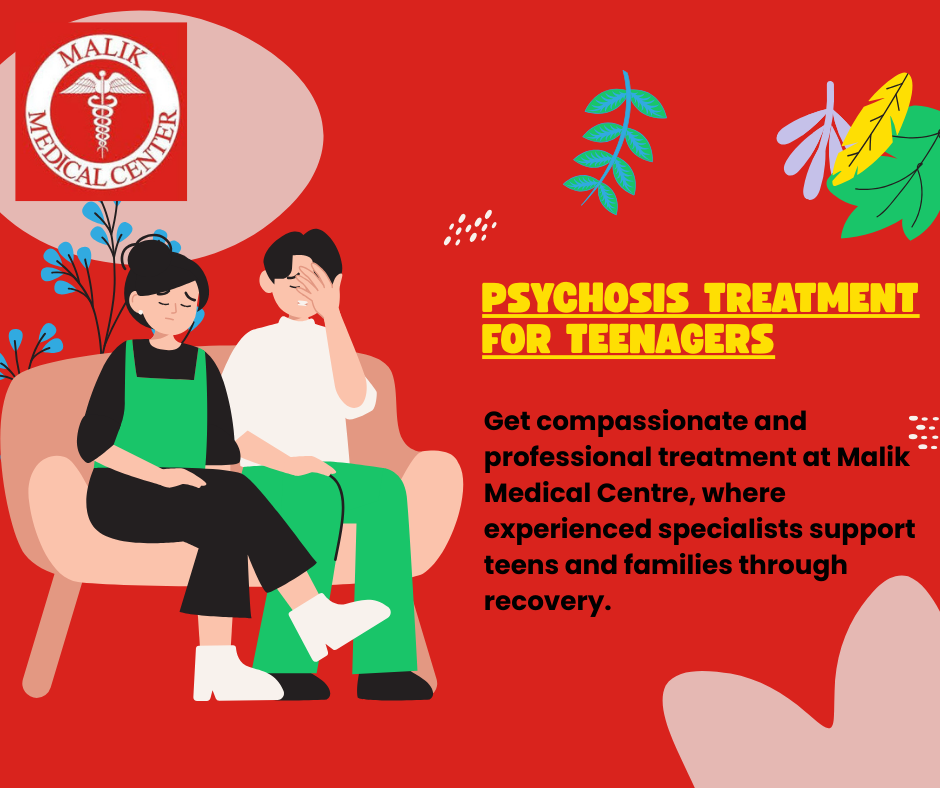
Recognizing these signs early is critical. With timely PSYCHOSIS TREATMENT FOR TEENAGERS, symptoms can often be managed before they interfere deeply with education, relationships, and self-esteem.
Causes and Risk Factors Behind Teen Psychosis
Psychosis does not have a single cause. It usually develops due to a combination of biological, psychological, and environmental factors. Understanding these influences helps families approach the condition with compassion rather than blame.
Brain development plays a major role. The teenage brain is still maturing, especially areas responsible for judgment and emotional regulation. This makes teens more vulnerable to mental health disruptions. Genetics also matter. A family history of mental health conditions can increase risk.
Stressful life events such as bullying, academic pressure, trauma, abuse, or major losses may trigger symptoms in vulnerable teens. Substance use, especially cannabis or stimulants, can worsen or even trigger psychotic episodes in adolescents.
It is important to understand that psychosis does not mean a teen will develop a lifelong mental illness. In many cases, symptoms are temporary and improve significantly with early support, proper diagnosis, and consistent care.
Medical Approaches to Managing Psychosis
Medical treatment is often essential in stabilizing psychosis. A child or adolescent psychiatrist carefully evaluates the teen to determine the most appropriate treatment plan. Medication decisions are always made with caution due to the developing brain.
Antipsychotic medications are commonly used to reduce hallucinations, delusions, and severe confusion. These medications help restore chemical balance in the brain, allowing the teen to think more clearly and feel less overwhelmed.
Doctors usually start with the lowest effective dose and monitor closely for side effects. Regular follow-ups ensure the treatment remains safe and effective. Medication is not meant to suppress personality but to support mental clarity and emotional balance.
Medical treatment works best when paired with therapy and family involvement. Medication alone is rarely enough. A combined approach improves recovery and reduces the risk of relapse.
Therapy and Emotional Support for Recovery
Therapy plays a powerful role in helping teens understand their experiences and rebuild confidence. It provides coping skills, emotional safety, and a structured space to process fears and confusion.
Cognitive behavioral therapy helps teens recognize distorted thoughts and develop healthier ways of thinking. It teaches practical skills for managing stress, anxiety, and emotional triggers. Family therapy is also highly effective, as it improves communication and strengthens support systems at home.
School support is another key part of recovery. Adjustments such as reduced workload, flexible schedules, or counseling services help teens stay engaged in education while healing. Peer support groups can reduce feelings of isolation by connecting teens with others who share similar experiences.
In the middle of the recovery journey, consistent PSYCHOSIS TREATMENT FOR TEENAGERS helps teens regain a sense of normalcy and control over their lives. Therapy reminds them that they are not defined by their symptoms.
Long-Term Care and Relapse Prevention
Recovery from psychosis does not end when symptoms fade. Long-term care focuses on maintaining stability and preventing relapse. This includes ongoing therapy, regular medical checkups, and healthy lifestyle habits.
Sleep routines are especially important. Irregular sleep patterns can trigger symptoms, so maintaining consistent rest is essential. Nutrition, physical activity, and stress management all support brain health.
Families play a vital role in long-term care. Learning early warning signs such as sleep changes, withdrawal, or increased anxiety allows for quick intervention. Encouraging open communication helps teens feel safe asking for help.
Reducing stigma is also crucial. Teens who feel ashamed or misunderstood may hide symptoms, delaying treatment. Education helps normalize mental health care and promotes early action rather than fear.
Hope, Healing, and Moving Forward
Psychosis can feel overwhelming, especially when it affects someone so young. However, with the right care, many teens recover well and go on to live fulfilling lives. Early diagnosis, compassionate support, and consistent treatment make a powerful difference.
Every teen’s journey is unique. Some may need longer support, while others improve quickly. What matters most is access to quality care, patience, and belief in recovery. With understanding, structure, and professional help, stability is achievable.
Access to PSYCHOSIS TREATMENT FOR TEENAGERS gives young people the tools they need to rebuild confidence, reconnect with their goals, and move forward with hope.
Frequently Asked Questions (FAQs)
Is psychosis in teenagers permanent?
Not always. Many teens experience temporary psychosis that improves significantly with early treatment and support.
Can therapy alone treat psychosis?
Therapy is important, but most teens benefit from a combination of medication and therapy, especially during acute phases.
Are antipsychotic medications safe for teens?
When prescribed and monitored by a specialist, they are considered safe and effective for managing symptoms.
What should parents do if they notice early signs?
Seek professional evaluation immediately. Early intervention leads to better outcomes.
Can teens return to school after psychosis treatment?
Yes. With proper support and adjustments, most teens successfully continue their education.