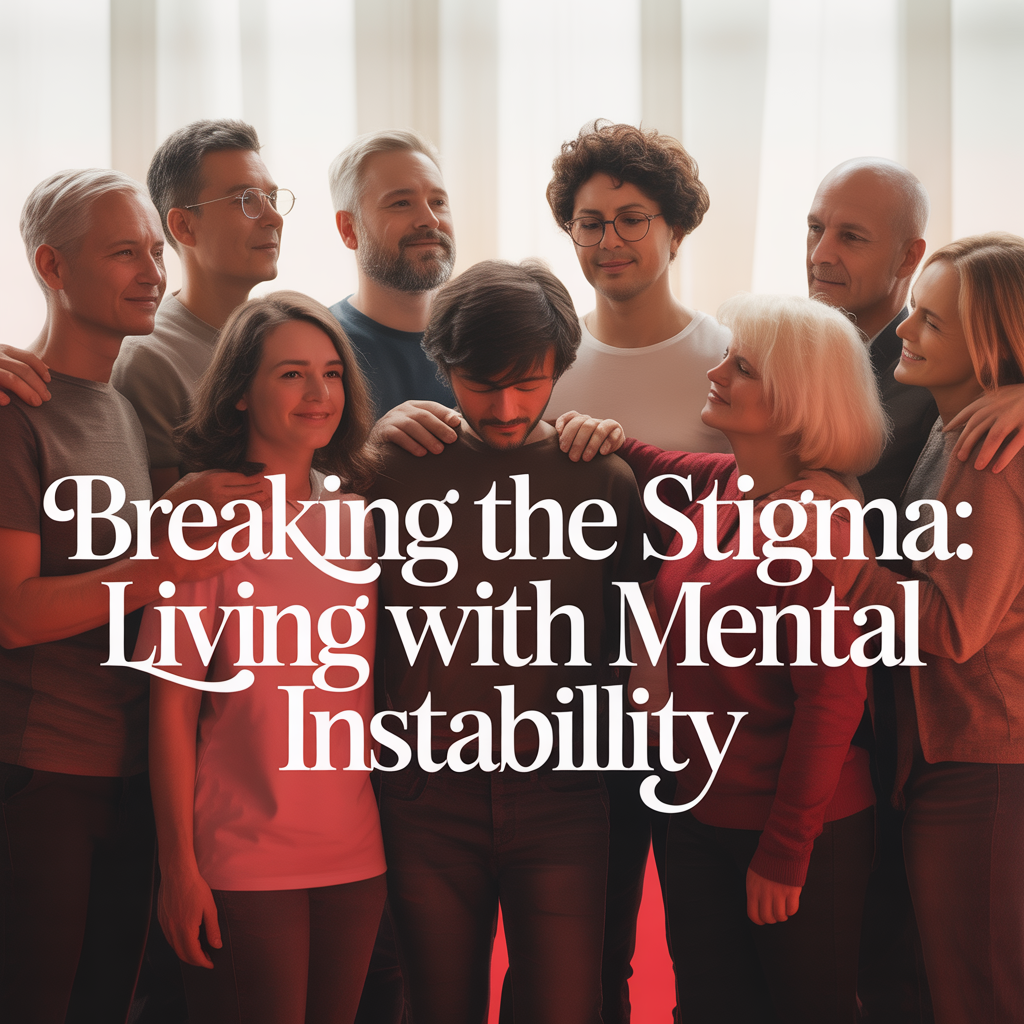
Breaking the Stigma: Living with Mental Instability
In today’s world, more and more people are beginning to talk about mental health, yet there are still many who struggle in silence. The phrase “Breaking the Stigma: Living with Mental Instability” reminds us that behind every quiet smile or tired face, there might be someone fighting a battle we cannot see. Mental instability doesn’t always mean madness or danger — it can mean confusion, sadness, fear, or even emotional exhaustion. It’s something that can happen to anyone, regardless of age, background, or lifestyle.
Mental instability can appear in different ways. Some people feel anxious all the time, while others go through sudden mood changes. Some might have trouble focusing, sleeping, or even finding joy in things they used to love. These feelings don’t make someone weak or broken. They are signs that the mind needs care — just like the body does when it’s sick. Unfortunately, society often makes people feel ashamed to admit that they are struggling. That shame, or stigma, is what we need to break once and for all.
Understanding Mental Instability
Mental instability doesn’t have a single cause. It can come from many different factors — stress, trauma, genetics, chemical imbalance, or even a difficult environment. Imagine carrying a heavy backpack every day without rest. Over time, your shoulders hurt, your back aches, and you can’t move easily. The same happens with the mind. If emotional weight is not lifted, it can lead to breakdowns, anxiety, or depression.
Understanding mental instability means realizing that it is not someone’s fault. People don’t choose to feel unstable; it happens gradually, often without warning. Instead of judgment, they need compassion and patience. Sometimes a kind word, a simple conversation, or a small act of understanding can make a huge difference.
Why Stigma Still Exists
Even though the world is becoming more open about mental health, stigma still exists. Many people still believe that mental instability means weakness or craziness. In some cultures, people are told to “stay strong” or “just get over it.” These phrases might seem harmless, but they can make someone feel even more isolated.
The truth is, emotional pain is just as real as physical pain. When we break an arm, we go to a doctor without shame. But when our mind feels broken, we hide it. The goal of “Breaking the Stigma: Living with Mental Instability” is to help people see that mental health should be treated with the same importance as physical health. Everyone deserves care, understanding, and support.
How to Cope and Heal
Healing from mental instability takes time and patience. There is no quick fix. However, there are many small steps that can help people find stability again. Talking to a trusted friend or counselor can be one of the most powerful first steps. Expressing feelings can reduce pressure and bring relief.
Another helpful step is building healthy habits. Sleeping well, eating balanced meals, and doing light exercise can improve mood and energy levels. Mindfulness, journaling, or spending time in nature can also calm the mind. Some people find peace through art, music, or writing — creative outlets that allow emotions to flow freely.
It’s also important to avoid comparing yourself to others. Healing is personal; everyone moves at their own pace.
Supporting Others Who Struggle
If someone you know is living with mental instability, your support can make a world of difference. You don’t need to have all the answers. Simply listening without judgment can help them feel safe. Let them know they are not alone and that it’s okay to ask for help. Encourage them to talk to professionals if needed, but don’t force them before they are ready.
Remember, words carry power. A simple “I’m here for you” can mean more than advice or solutions. Sometimes, the most healing thing is to know that someone truly cares.
The Journey Toward Acceptance
The process of Breaking the Stigma: Living with Mental Instability is ongoing. It starts with awareness but continues with action. When we talk openly about mental health, we make it easier for others to do the same. Schools, workplaces, and families should create safe spaces where people can speak without fear of judgment.
Media and social platforms can also play a huge role by sharing positive, truthful stories about mental health. Instead of labeling people as “unstable” or “crazy,” we should highlight their strength and resilience. Many who struggle with instability are also deeply creative, empathetic, and strong. They learn to see life in deeper ways, which can inspire others.
A Message of Hope
No matter how difficult life feels, there is always hope. Mental instability does not define a person’s worth. People can recover, grow, and rebuild their lives. It takes time, support, and self-compassion — but healing is possible.
The final message of “Breaking the Stigma: Living with Mental Instability” is simple yet powerful: you are not alone. Every story matters. Every voice deserves to be heard. Together, by choosing understanding over judgment, we can make the world a kinder, safer place for everyone struggling with their mental health.
FAQs
FAQs: What does mental instability really mean? It refers to emotional or psychological imbalance that affects how a person feels or behaves, not madness or danger. Can it be treated? Yes — with therapy, lifestyle changes, medication, and support, many people recover. How can I help someone who seems unstable? Be patient, listen without judgment, and encourage professional help when needed. Is it normal to feel unstable sometimes? Absolutely — everyone has emotional ups and downs. What is the first step to healing? Acknowledging your feelings and asking for help is the bravest and most important first step.