The Role of Drug Rehabilitation Centers in Transforming Lives
Drug Rehabilitation Center
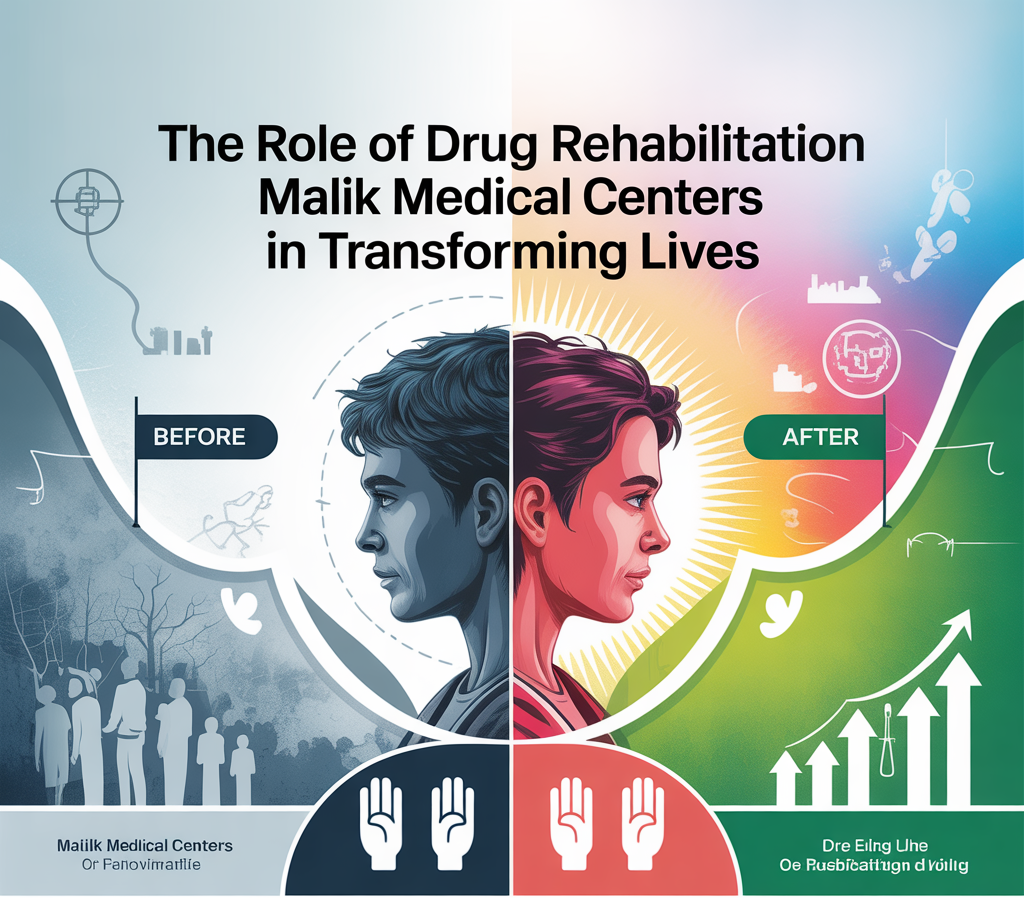
Drug addiction is one of the most serious problems faced by societies around the world today. It destroys not only the person who is addicted but also deeply affects families and communities. Many individuals fall into addiction because of stress, depression, bad company, or difficult life experiences. Once they become dependent on drugs, escaping that cycle feels nearly impossible without help. That is where rehabilitation comes in. The Role of Drug Rehabilitation Centers in Transforming Lives is incredibly important because these centers provide hope, healing, and a second chance to people who have lost control over their lives due to addiction.
The first step of recovery
The first step of recovery usually begins with detoxification (commonly called detox). When a person stops taking drugs, their body goes through withdrawal, which can cause painful or uncomfortable symptoms like sweating, shaking, anxiety, and nausea. In a professional rehab center, doctors and nurses help patients through this process safely. They provide medication, medical supervision, and emotional support to make detox as comfortable as possible. This step is crucial because it clears harmful substances from the body and prepares the patient for further treatment.
Addiction is not just a physical problem; it’s also psychological. People often use drugs to escape stress, emotional pain, or trauma. That’s why therapy plays a key role in long-term recovery. Rehab centers offer different kinds of therapy, such as individual counseling, group therapy, and family sessions. Individual counseling helps patients understand the root causes of their addiction. Group therapy connects them with others who are facing similar challenges, making them feel less alone. Family counseling heals broken relationships and helps families learn how to support their loved one during recovery.
One of the strongest aspects of The Role of Drug Rehabilitation Centers in Transforming Lives is that they focus on changing a person’s mindset and lifestyle. Addiction can make people lose their sense of purpose and self-worth. Rehab centers help them rediscover their goals, talents, and confidence. Therapists encourage patients to build new, healthy habits that replace harmful ones. This may include regular exercise, reading, learning new skills, or joining creative activities like art and music therapy. Such activities bring positivity and joy back into their lives, giving them something to look forward to each day.
In addition to emotional healing, rehab centers also emphasize education and awareness. Many people do not understand how drugs affect the brain and body. Through educational workshops, patients learn about the science of addiction, its effects on mental health, and how to prevent relapse. They are taught coping strategies to deal with stress and peer pressure. This knowledge empowers them to make better choices after leaving the center. Some rehab programs also teach practical life skills—like budgeting, communication, and job training—to help patients reintegrate into society with confidence.
Another key part of rehabilitation is community support. Recovery becomes much easier when people feel supported and understood. In drug rehabilitation centers, patients form strong bonds with others going through the same struggle. These friendships help them stay motivated and hopeful. Many centers also have support groups that patients can continue attending even after completing their treatment. This continuous connection helps them stay strong and prevents relapse.
It’s also important to mention that the best rehab centers treat each patient as a unique individual. Every person’s story is different, and so are their needs. Some may need longer treatment, while others may recover faster. Some may require medication, while others benefit more from therapy. Personalized care ensures that every patient gets the right kind of treatment for their situation. The staff in these centers—doctors, psychologists, social workers, and counselors—work as a team to create a recovery plan that fits the person’s condition.
Family involvement plays a huge role in successful recovery. Drug addiction often causes pain, mistrust, and communication gaps within families. By including families in the recovery process, rehab centers help rebuild broken relationships. Family members learn how to forgive, understand, and encourage their loved ones. A supportive family gives the patient strength and motivation to stay clean and live a better life.
. Aftercare programs may include regular checkups, counseling, and group meetings. Many centers offer outpatient programs so that recovering individuals can continue receiving support while returning to normal life. The goal is to ensure that recovery lasts a lifetime, not just a few months.
The Role of Drug Rehabilitation
The Role of Drug Rehabilitation Centers in Transforming Lives also extends beyond helping individuals—it strengthens entire communities. When people recover from addiction, they return to their families, jobs, and society as healthier and more responsible members. This reduces crime rates, improves workplace productivity, and promotes social stability. Moreover, rehabilitation centers often run awareness campaigns in schools and neighborhoods to educate people about the dangers of drug use. They also work to remove the stigma around addiction so that more people feel comfortable seeking help.
However, challenges still remain. Many people avoid treatment because they fear being judged or cannot afford it. Governments and organizations must work together to make rehabilitation services more affordable and accessible. Awareness programs, free counseling, and community support can encourage more people to seek help early. Everyone deserves a chance to recover, no matter their background or financial situation.
In conclusion
The Role of Drug Rehabilitation Centers in Transforming Lives is truly life-changing. These centers provide hope, healing, and guidance for people trapped in addiction. They not only help individuals stop using drugs but also teach them how to live a positive, meaningful life. Through detoxification, therapy, education, and continuous support, rehab centers give people the strength to start over. Addiction may seem like the end, but with the right help, it can be the beginning of a new, brighter chapter. Rehabilitation is not just about breaking free from drugs—it’s about rediscovering life, purpose, and happiness.
FAQS
Many people have questions about how drug rehabilitation centers actually help people change their lives. One common question is, “What makes a rehab center effective?” — the answer is that the best centers combine medical care, therapy, and emotional support tailored to each person’s needs. Others ask, “Can someone recover if they’ve relapsed before?” — yes, relapse doesn’t mean failure; it’s a part of learning and growing stronger in recovery. Some wonder, “Do patients have to stay in the center full-time?” — not always; there are both inpatient and outpatient options depending on the severity of addiction. Another question is, “What happens after rehab?” — aftercare programs, counseling, and support groups help maintain progress. Lastly, people ask, “Is rehab only for drugs?” — no, many centers also treat alcohol addiction, mental health challenges, and behavioral issues, focusing on complete healing of the mind and body.