Professional Drug Abuse Treatment Services | Trusted Care & Support
Drug abuse is a serious issue that affects individuals, families, and communities across the world. It does not happen overnight. Often, it begins with experimentation, emotional stress, or social pressure and slowly turns into dependency. Over time, drug abuse damages physical health, mental stability, relationships, and personal goals. Many people trapped in addiction feel hopeless, isolated, and unsure of how to escape the cycle.
Seeking professional help is the first step toward recovery. Drug abuse treatment provides a structured and safe way for individuals to regain control over their lives. It focuses not only on stopping substance use but also on understanding the reasons behind it. When treatment is provided in a supportive environment, individuals begin to heal both mentally and physically.
Drug abuse does not define a person’s character or worth. It is a medical and psychological condition that requires care, patience, and understanding. With proper guidance and professional support, recovery is possible, and a healthier future can be rebuilt.
Why Professional Treatment Is Necessary
Many people try to quit drugs on their own, relying on willpower alone. While determination is important, addiction often involves changes in brain chemistry that make quitting extremely difficult without help. Withdrawal symptoms, cravings, anxiety, and depression can overwhelm a person trying to recover alone.
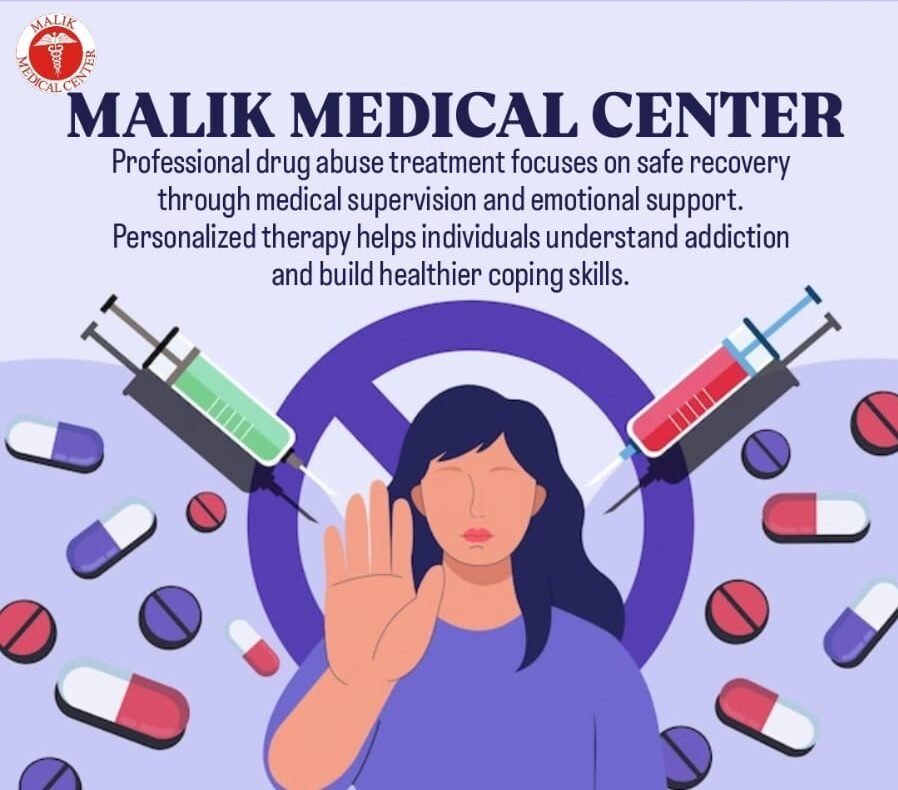
Professional DRUG ABUSE TREATMENT offers medically supervised care that ensures safety during the recovery process. Trained doctors and therapists understand how different substances affect the body and mind. They create personalized treatment plans based on the individual’s condition, substance history, and mental health needs.
Medical supervision helps manage withdrawal symptoms and reduces the risk of relapse. Therapy sessions address emotional pain, trauma, and behavioral patterns that contribute to addiction. When treatment is handled professionally, individuals are more likely to achieve long-term recovery instead of short-term results.
Types of Drug Abuse Treatment Programs
There is no single approach that works for everyone. Drug abuse treatment programs are designed to meet different needs and levels of addiction. Some individuals require intensive care, while others benefit from flexible support.
Detoxification is often the first stage of treatment. It helps remove harmful substances from the body under medical supervision. Detox alone is not enough, but it prepares the body for further therapy. Once detox is complete, therapy becomes the core of recovery.
Inpatient programs provide a structured environment where individuals stay at a treatment facility. This option is helpful for severe addiction cases where constant monitoring and support are needed. Outpatient programs allow individuals to attend therapy sessions while continuing daily responsibilities. Both options aim to support recovery while teaching healthy coping skills.
Counseling, group therapy, and family therapy are key components of treatment programs. These sessions help individuals understand their addiction, improve communication, and rebuild trust with loved ones.
The Role of Therapy and Emotional Support in Recovery
Addiction is not just physical. It is deeply connected to emotions, thoughts, and past experiences. Therapy plays a vital role in helping individuals understand why they turned to drugs and how to cope without them.
In the middle of the recovery journey, professional DRUG ABUSE TREATMENT focuses heavily on emotional healing. Individual therapy provides a safe space to discuss personal struggles, stress, and trauma. Group therapy helps individuals connect with others who share similar experiences, reducing feelings of isolation.
Therapists teach practical coping strategies to manage cravings, stress, and negative emotions. These skills are essential for maintaining sobriety after treatment. Emotional support builds confidence and self-worth, helping individuals believe in their ability to change.
Family involvement is also important. Addiction affects loved ones deeply, and healing together strengthens recovery. Family therapy improves understanding and creates a supportive environment for long-term success.
Life After Treatment and Preventing Relapse
Completing a treatment program is a major achievement, but recovery continues beyond the facility. Life after treatment comes with challenges, especially when facing old triggers and social pressures. Preparing for these challenges is an essential part of recovery.
Aftercare plans help individuals stay focused on sobriety. These may include follow-up counseling, support groups, and regular check-ins with healthcare providers. Continued support reduces the risk of relapse and provides guidance during difficult moments.
Healthy routines play a big role in long-term recovery. Proper sleep, balanced nutrition, exercise, and positive social connections improve both mental and physical health. Learning how to manage stress without drugs builds resilience and stability.
Relapse does not mean failure. It can be part of the recovery process. With the right support and timely intervention, individuals can regain control and continue their journey toward a drug-free life.
Choosing the Right Drug Abuse Treatment Services
Choosing the right treatment service is a crucial decision. A reliable treatment center offers qualified staff, personalized care, confidentiality, and a compassionate approach. It focuses on healing rather than judgment and respects the dignity of every individual.
Families should look for centers that provide comprehensive care, including medical supervision, therapy, and aftercare support. Clear communication and transparency are signs of trustworthy services. Recovery is most successful when individuals feel safe, understood, and supported.
In the final stage of recovery, many people realize that choosing professional DRUG ABUSE TREATMENT changed their lives. With expert care, emotional support, and structured guidance, individuals can overcome addiction and rebuild their future with confidence, stability, and hope.
FREQUENTLY ASKED QUESTIONS (FAQs)
How long does drug abuse treatment usually take?
Treatment duration varies depending on the substance, severity, and individual progress. It can range from a few weeks to several months.
Is drug abuse treatment confidential?
Yes, professional treatment services strictly maintain patient privacy and confidentiality.
Can family members be involved in treatment?
Yes, family counseling is often included to support recovery and improve understanding.
Is recovery possible after multiple relapses?
Yes, recovery is always possible with proper support, guidance, and commitment.