Mental Clinics in Rawalpindi Islamabad: Your Path to Better Mental Health
What Services Do Mental Clinics in Rawalpindi Islamabad Provide?
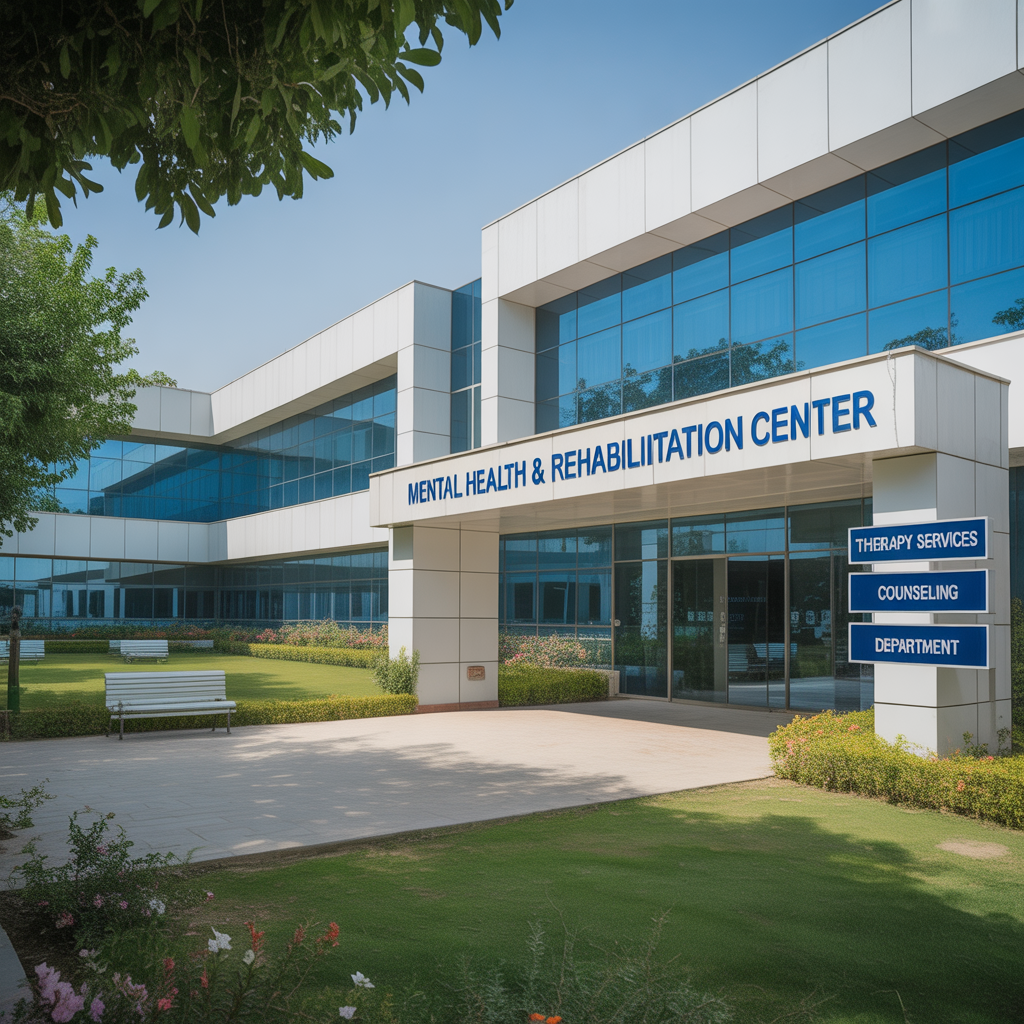
Mental clinics in Rawalpindi Islamabad are places where trained doctors, psychologists, and therapists work together to help people with mental health issues. These clinics provide many different services depending on the needs of the patient. Some of the common services include counseling, therapy sessions, medical check-ups, and support groups.
Counseling is one of the most helpful services. In counseling sessions, individuals get a chance to talk about their problems and feelings in a confidential and supportive environment. The counselor listens carefully and helps patients understand their emotions better. Sometimes, just talking to someone who understands can make a big difference.
Therapy sessions go deeper and can last for several weeks or months. These sessions help patients learn ways to cope with their problems, change negative thinking, and develop healthy habits. Therapists use different techniques like cognitive-behavioral therapy (CBT), which helps people change unhelpful thoughts and behaviors.
In some cases, patients may need medication to help manage their symptoms. Mental clinics in Rawalpindi Islamabad work with psychiatrists who can prescribe medicines when necessary. These medicines help balance brain chemicals and make it easier for patients to feel calm and focused.
Support groups are also an important part of many mental clinics. In these groups, people with similar challenges come together to share their experiences and support each other. This creates a sense of community and reduces feelings of loneliness.
Why Choose Mental Clinics in Rawalpindi Islamabad?
There are many reasons why mental clinics in Rawalpindi Islamabad are the right choice for anyone seeking mental health care. First, these clinics have trained professionals who understand the specific mental health issues faced by people living in this region. They are familiar with local culture and social challenges, which helps them provide better care.
Second, mental clinics in Rawalpindi Islamabad offer a wide range of services under one roof. This makes it easier for patients to get all the help they need without going to multiple places. Whether it is counseling, therapy, or medication, patients receive complete care in one place.
Third, the environment at these clinics is designed to be safe and welcoming. Mental health problems can make people feel scared or embarrassed, but the staff at these clinics are compassionate and non-judgmental. They work hard to create a friendly atmosphere where patients feel comfortable and respected.
Another important reason to choose mental clinics in Rawalpindi Islamabad is affordability. Many clinics offer services at reasonable prices or provide assistance programs for those who cannot afford expensive treatment. This makes mental health care accessible to a larger number of people.
What to Expect During Your Visit?
Visiting mental clinics in Rawalpindi Islamabad for the first time can feel scary or uncertain, but knowing what to expect can help ease those feelings. When you arrive, you will usually meet with a mental health professional who will ask you questions about your feelings, daily habits, and any difficulties you are facing.
This initial assessment helps the doctor or therapist understand your situation better. They may ask about your sleep patterns, mood, relationships, and any physical symptoms you might have. Based on this information, they will work with you to develop a treatment plan that fits your needs.
Your treatment plan might include regular therapy sessions, medication, or lifestyle changes. The mental health team will explain everything clearly and answer any questions you have. They will also encourage you to be honest about your feelings and concerns throughout your treatment.
Regular follow-up visits are important to track your progress and make any necessary changes to your care. Mental clinics in Rawalpindi Islamabad make sure that you receive continuous support until you feel stronger and more in control of your mental health.
Taking the First Step Towards Better Mental Health
It is important to understand that seeking help is a sign of strength, not weakness. Many people avoid getting help because they feel ashamed or think that their problems are not serious enough. However, early support can prevent small problems from becoming bigger.
Mental clinics in Rawalpindi Islamabad are ready to help you take the first step on your path to recovery. Whether you are facing stress from work, family issues, or long-term mental health conditions, professional care can make a big difference in your life.
If you notice changes in your mood, behavior, or thoughts that worry you or your loved ones, don’t wait to seek help. Remember, you are not alone, and there are people who want to support you without judgment.
In conclusion, mental clinics in rawalpindi islamabad provide an important service for individuals looking to improve their mental health. With professional care, personalized treatment, and a supportive environment, these clinics guide people toward healing and hope. Taking that first step to visit a mental clinic can open the door to a healthier, happier future.
FAQS
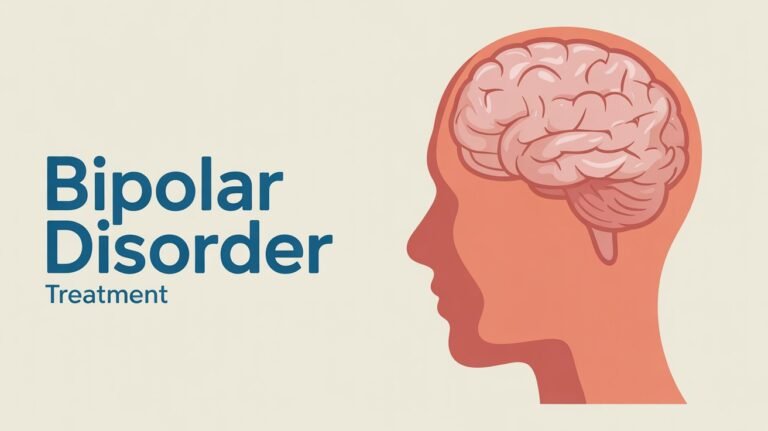
If you’re wondering what kinds of mental health issues mental clinics in Rawalpindi Islamabad can help with, they offer support for anxiety, depression, stress, trauma, and more serious conditions like bipolar disorder. You usually don’t need a referral to visit, and all your information is kept confidential. Treatment length depends on individual needs—some may need just a few sessions while others require longer care. Medication is prescribed only when necessary, often alongside therapy, and family involvement is encouraged to strengthen support. Many clinics provide affordable or low-cost services, making mental health care accessible. If you or someone is in crisis or feeling suicidal, it’s important to seek emergency help immediately, though mental clinics also offer crisis support and intervention to keep you safe on your path to better mental health.