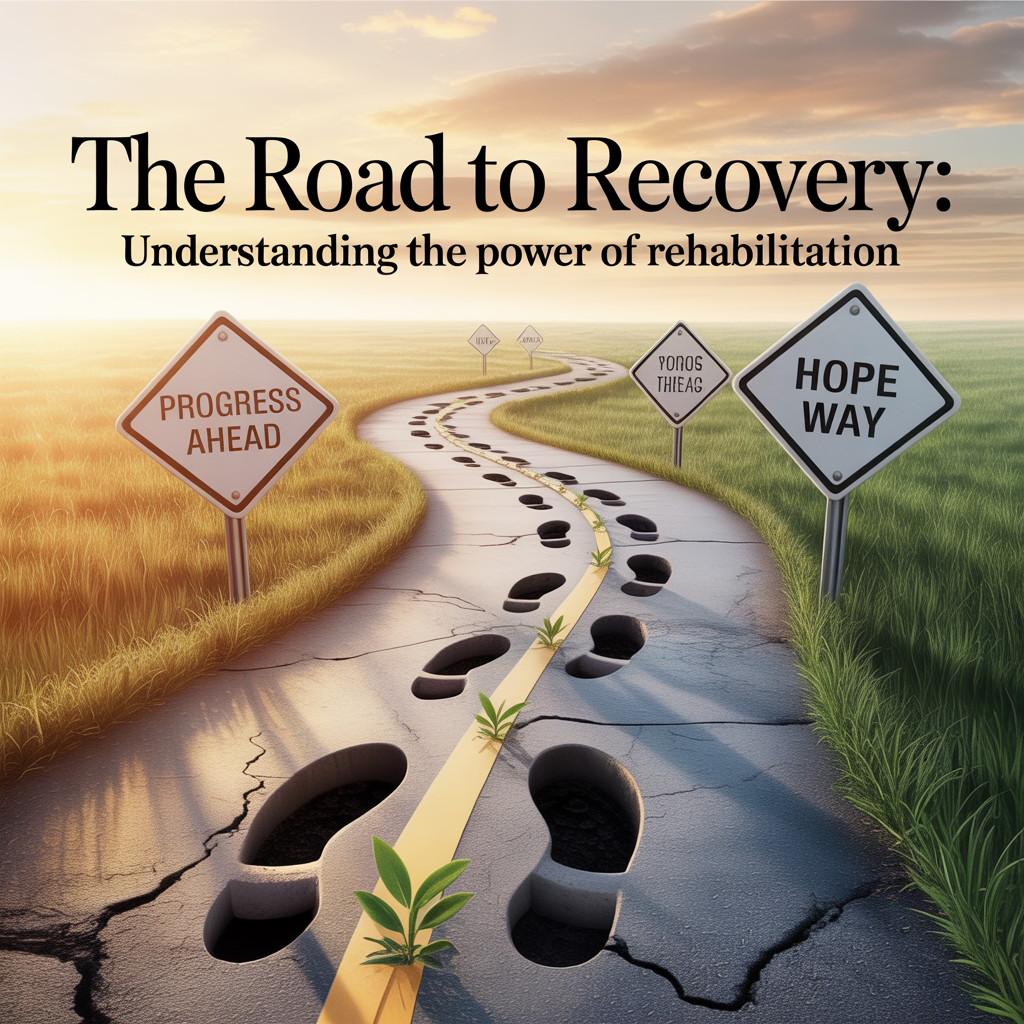
The Road to Recovery: Understanding the Power of Rehabilitation
Life can take unexpected turns. Accidents, illnesses, surgeries, or addictions can change everything in a moment. But what truly defines a person is not the setback — it’s the strength to rise again. That’s where rehabilitation comes in. It’s not just a medical process; it’s a journey of rebuilding, learning, and rediscovering one’s potential. In this article, we’ll walk you through The Road to Recovery: Understanding the Power of Rehabilitation, exploring how it helps people regain independence, confidence, and a new sense of purpose.
What Is Rehabilitation?
Rehabilitation means helping a person recover physically, mentally, or emotionally after a difficult event. It’s a process that combines therapy, training, and support to help individuals live as fully and independently as possible. Whether it’s learning to walk again after an accident, rebuilding strength after surgery, or overcoming addiction, rehabilitation provides the right guidance and tools to heal both body and mind.
There are many forms of rehabilitation, such as:
Physical Rehabilitation – Helps restore movement, balance, and strength after injuries or surgeries.
Occupational Rehabilitation – Helps people relearn daily activities and job skills.
Speech and Language Rehabilitation – Supports communication and swallowing difficulties after a stroke or injury.
Addiction Rehabilitation – Aims to help individuals recover from drug or alcohol dependence through counseling and therapy.
Mental Health Rehabilitation – Focuses on emotional healing, stress management, and psychological well-being.
The Importance of Rehabilitation
It bridges the gap between medical treatment and normal living. After a major health issue, people often face physical limitations, emotional challenges, and even social isolation. Rehabilitation helps them overcome these barriers step by step.
Physical Recovery: Rehabilitation exercises help rebuild muscles, improve flexibility, and reduce pain.
Emotional Strength: Therapists provide motivation, helping patients stay positive and focused on their progress.
Independence: By learning to perform daily activities again, patients regain control over their lives.
Confidence and Motivation: Success in small tasks builds confidence, which fuels greater achievements.
Prevention of Further Problems: Rehab programs teach patients how to prevent future injuries or relapses.
The Process of Rehabilitation
Rehabilitation is not a quick fix; it’s a gradual journey. Each person’s plan is unique, depending on their needs and goals. The process usually includes:
Assessment: Professionals evaluate the patient’s condition, strengths, and challenges.
Goal Setting: Together, they create short-term and long-term recovery goals.
Treatment Plan: A combination of physical therapy, counseling, exercise, and education is developed.
Monitoring Progress: Regular check-ups and feedback sessions ensure that recovery stays on track.
Support and Education: Family involvement and emotional support are key to success.
Throughout this journey, patience and consistency are essential. Rehabilitation may take weeks, months, or even years, but every step forward is a victory.
The Human Side of Rehabilitation
Rehabilitation is about more than exercises and medications. It’s about hope. Every person who enters a rehabilitation program carries a story — of struggle, courage, and determination. For example, a young athlete recovering from a knee injury might dream of returning to the field. An elderly patient after a stroke might hope to walk again. A person overcoming addiction may wish to rebuild family relationships. In every case, rehabilitation helps turn those dreams into achievable goals.
The power of rehabilitation lies in teamwork. Doctors, therapists, nurses, and family members work together, creating an environment of trust and encouragement. When the patient feels supported, recovery becomes faster and more meaningful.
Technology and Modern Rehabilitation
In today’s world, technology plays a big role in rehabilitation. From robotic-assisted exercises to virtual reality therapies, modern tools make recovery more effective and engaging.
Virtual Reality (VR): Patients can practice movements or scenarios in a safe digital environment.
Robotic Devices: Help improve movement in people with paralysis or severe injuries.
Tele-rehabilitation: Online therapy sessions allow patients to continue treatment from home.
Wearable Devices: Track progress and provide instant feedback to therapists.
These innovations show how science and compassion work together to make recovery smoother and more personalized.
The Emotional Journey of Recovery
Rehabilitation is not just physical healing — it’s emotional transformation. Many people feel frustrated, scared, or hopeless at first. Progress can be slow, and setbacks may happen. But each small improvement builds strength and self-belief. Support from family, friends, and therapists plays a huge part in emotional healing. Motivation grows stronger when people realize they are not alone on this road.
Success Stories and the Power of Hope
Many individuals who complete rehabilitation share inspiring stories. A patient who once relied on a wheelchair learns to walk again. A person struggling with addiction finds a new passion in helping others recover. A stroke survivor learns to speak again after months of therapy. These stories remind us that recovery is always possible — with effort, support, and belief in oneself.
The Road to Recovery: Understanding the Power of Rehabilitation reminds us that rehabilitation is not just a treatment — it’s a journey toward freedom, strength, and renewed life. Every session, every step, and every effort counts. Rehabilitation helps people rediscover who they are and what they can achieve, proving that even the hardest challenges can lead to the most beautiful victories.
FAQs
People often ask several questions about rehabilitation, such as: How long does rehabilitation take? The duration depends on the person’s condition and goals — some may recover in weeks, while others take months or longer. Is rehabilitation painful? It can be challenging at times, but therapists ensure that every exercise is safe and manageable. Can older adults benefit from rehabilitation? Absolutely — age is never a barrier to recovery. What is the cost of rehabilitation? It varies depending on the type of therapy and duration, but many programs are covered by insurance. Can I do rehabilitation at home? With proper guidance, home-based rehab exercises are often part of recovery plans. Is emotional support important? Yes, mental and emotional encouragement are key factors that speed up recovery. Who designs a rehabilitation plan?