Rebuilding Life After Stroke: A Complete Guide to Rehabilitation and Recovery
A stroke can change a person’s life in just a few moments. It may affect movement, speech, memory, and emotions. But recovery is possible. Every small step matters. Rebuilding life after a stroke is a journey that takes time, patience, and support. The process may be slow, but with care and guidance, people can regain independence and live meaningful lives again.
Understanding What Happens After a Stroke
This can be caused by a blocked blood vessel (ischemic stroke) or bleeding in the brain (hemorrhagic stroke). When brain cells don’t get enough oxygen, they begin to die. This leads to difficulties in thinking, speaking, moving, or feeling.
Each stroke is different, so recovery looks different for everyone. Some people recover quickly, while others need long-term therapy. The key is to start rehabilitation early and continue it regularly.
The First Stage of Recovery
After a stroke, doctors first focus on saving life and preventing another stroke. Once the person is stable, rehabilitation begins. It often starts in the hospital. A team of specialists—doctors, nurses, physical therapists, occupational therapists, and speech therapists—work together to design a recovery plan.
The first few weeks are very important. Patients may begin simple exercises, learn to sit, stand, or walk again, and practice speaking or swallowing. These early activities help the brain reconnect and form new pathways, a process called neuroplasticity.
Physical Rehabilitation
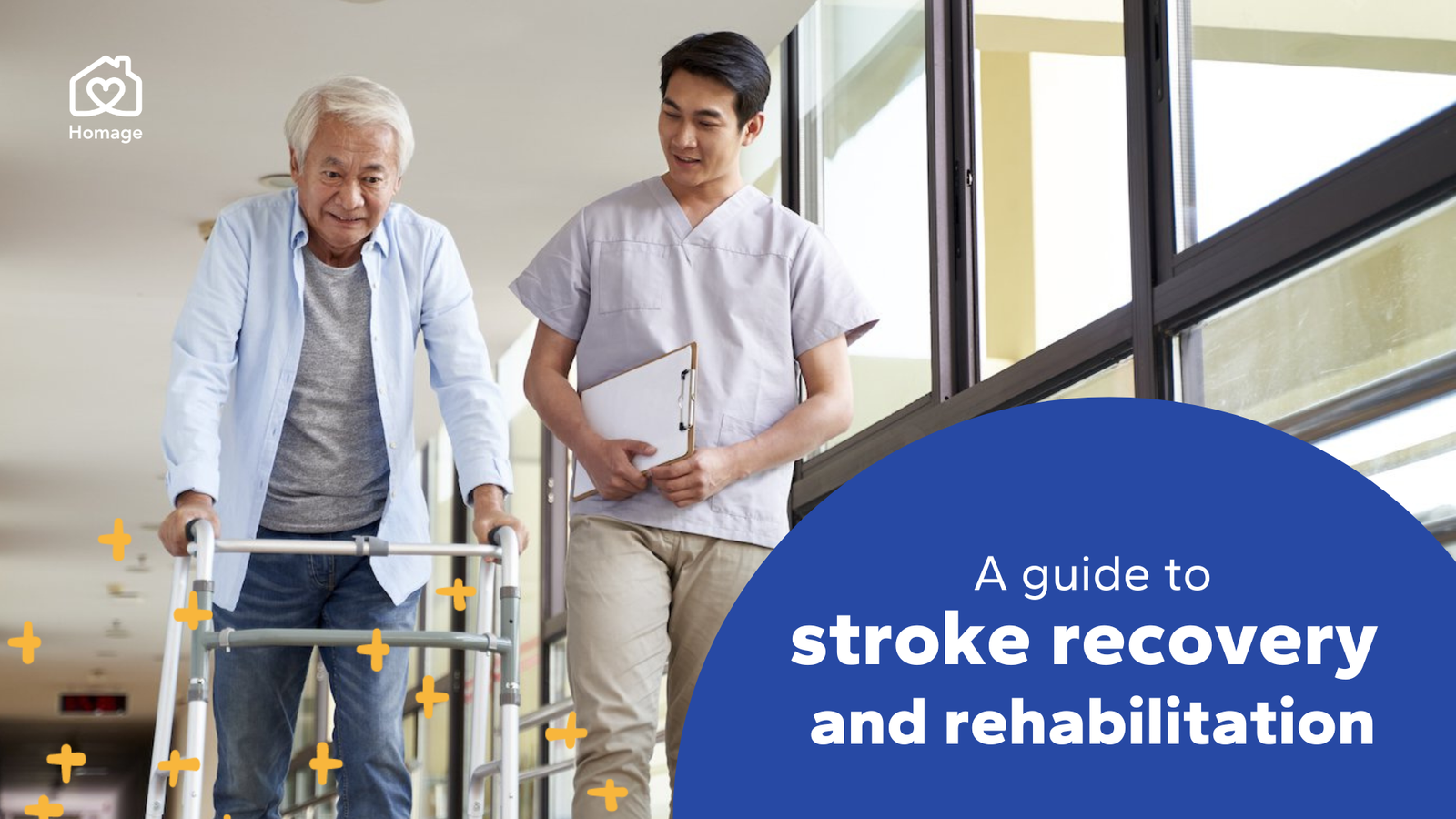
Physical therapy plays a big role in rebuilding life after stroke. Therapists help patients improve balance, strength, and coordination. They may use gentle exercises, stretching, or walking aids like canes or walkers. Over time, these movements retrain the muscles and brain to work together again.
Sometimes, special tools such as braces or robotic devices are used to help with movement. Even small daily activities, like reaching for a cup or climbing stairs, can be part of recovery. The more consistent the effort, the better the progress.
Occupational Therapy
Occupational therapy helps people return to their normal daily activities, such as dressing, cooking, or writing. Therapists teach new ways to perform tasks that have become difficult. For example, if one hand is weak, they might show how to use the stronger hand or adaptive tools.
This type of therapy also helps people build confidence and independence. The goal is not only to recover physical ability but also to make life easier and more enjoyable.
Speech and Communication Therapy
Many stroke survivors struggle with speaking or understanding language. Speech therapists help rebuild communication skills. They may use simple words, pictures, or exercises to improve speech and comprehension. In some cases, technology like speech apps can help people express themselves more easily.
Relearning how to speak can take time, but patience and practice make a big difference. Family members also play a key role by practicing conversations and offering gentle encouragement.
Emotional and Mental Healing
Stroke recovery isn’t just about the body—it’s also about the mind. Many survivors experience depression, anxiety, or frustration. These feelings are normal but should not be ignored. Counseling or support groups can help people cope with emotional challenges.
Positive thinking, faith, and family support are powerful tools. Celebrating small victories—like taking a few steps or saying a full sentence—helps build hope. Emotional healing gives strength to continue the recovery journey.
Nutrition and Healthy Living
Good nutrition helps the body heal faster. A diet rich in fruits, vegetables, lean protein, and whole grains supports brain recovery. Drinking plenty of water and limiting salt and sugar are also important.
Doctors may recommend a heart-healthy lifestyle to prevent another stroke. This includes regular exercise, quitting smoking, managing blood pressure, and keeping blood sugar levels under control.
Home Modifications and Safety
When returning home after a stroke, safety becomes a priority. Simple changes can make life easier. For example, installing grab bars in the bathroom, using non-slip mats, and keeping walkways clear of clutter can prevent falls.
Some people may need mobility aids or a wheelchair. Occupational therapists can suggest home adjustments that improve comfort and independence.
Support from Family and Caregivers
Family members are the backbone of stroke recovery. Their patience, encouragement, and daily assistance make a huge difference. Caregivers should also take care of their own health to avoid burnout. Support groups for caregivers can provide advice and emotional relief.
Learning how to communicate, motivate, and assist a loved one with stroke helps create a peaceful and supportive environment. Recovery is a team effort—no one should go through it alone.
Long-Term Recovery and Hope
Recovery doesn’t end after leaving the hospital. It continues for months or even years. Some improvements may be slow, but consistency brings results. Regular follow-up with doctors, staying active, and practicing therapy exercises at home are essential.
Many people who once struggled to walk or speak can eventually return to work, hobbies, and social life. Technology and research continue to improve rehabilitation methods every year, offering more hope to survivors.
Rebuilding Life After Stroke: A Complete Guide to Rehabilitation and Recovery reminds us that recovery is possible at any age. With determination, care, and love, life after stroke can still be full of purpose and joy.
FAQs
People often ask questions like: How long does stroke recovery take? Recovery time depends on the type of stroke and the person’s health; some recover in weeks, others in years. Can the brain fully heal after a stroke? The brain cannot replace damaged cells, but it can rewire itself through therapy. What are the first steps after leaving the hospital? Follow medical advice, continue exercises, and stay active. Do all stroke survivors need speech therapy? Only if speech or swallowing is affected, but early treatment helps. How can families support recovery? Offer patience, motivation, and help with daily activities. Is driving possible again after a stroke? Yes, if balance, vision, and reaction time improve with medical approval. Can diet and exercise prevent another stroke? Yes, healthy habits greatly reduce the risk. What role does technology play? Robotic tools, virtual therapy, and apps now make rehabilitation easier and more engaging.