Healing Invisible Wounds: Understanding PTSD and Trauma Treatment
Every person carries memories — some joyful, others painful. But for many people, certain memories don’t fade with time. They stay, replaying in the mind like a film that refuses to stop. These haunting experiences often lead to Post-Traumatic Stress Disorder (PTSD), a mental health condition that can affect anyone who has faced severe trauma. The journey of healing invisible wounds is not easy, but it is possible with care, therapy, and support.
What Is PTSD?
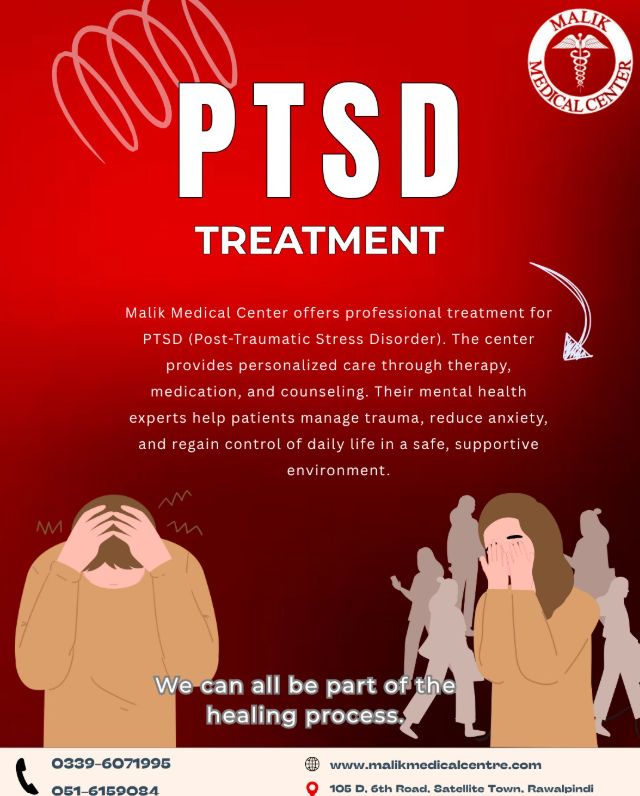
PTSD is a mental and emotional response to trauma — events that are deeply distressing or life-threatening. It may result from war, accidents, abuse, violence, natural disasters, or even the sudden loss of a loved one. While some people recover from trauma naturally, others find that the pain stays for months or years.
People with PTSD often relive the event through nightmares, flashbacks, or intense emotional distress. Everyday sounds, smells, or places can trigger painful memories. They might avoid certain situations or people that remind them of the trauma. Over time, they may start feeling numb, hopeless, or disconnected from reality.
Understanding Trauma and Its Effects
Trauma is not only what happens to a person — it’s also what happens inside them as a result. It changes how the brain processes fear and safety. For some, the trauma might have happened years ago, but the body and mind still act as if danger is present.
Symptoms can include constant anxiety, difficulty sleeping, anger outbursts, and emotional detachment. Some people may turn to drugs or alcohol to numb their pain. Others withdraw from family and friends, feeling misunderstood or ashamed.
The truth is, trauma doesn’t discriminate. It can affect soldiers, accident survivors, abuse victims, or even those who witnessed something horrific. Recognizing it is the first step toward recovery.
Why Healing Invisible Wounds Is So Important
The title Healing Invisible Wounds: Understanding PTSD and Trauma Treatment highlights a key idea — not all wounds are visible. A person may look fine on the outside but be struggling deeply within. Ignoring emotional pain only makes it worse. Over time, untreated PTSD can lead to depression, relationship issues, health problems, and even suicidal thoughts.
Healing is about reclaiming control — learning to live without fear and building trust in life again. It requires courage, patience, and professional help.
Types of PTSD Treatment
There is no one-size-fits-all approach to treating PTSD. Each person’s journey is unique, depending on their trauma, support system, and emotional strength. However, several proven therapies can help rebuild mental health and restore balance.
Cognitive Behavioral Therapy (CBT):
This therapy helps individuals recognize and change negative thought patterns that keep them trapped in trauma. It teaches them to face painful memories safely and reframe them in a healthier way.
Exposure Therapy:
This involves safely revisiting traumatic memories or situations in a controlled environment. It helps reduce fear and anxiety by showing the brain that the danger is no longer real.
Eye Movement Desensitization and Reprocessing (EMDR):
EMDR uses guided eye movements while recalling traumatic experiences, helping the brain reprocess them. It’s one of the most effective modern treatments for PTSD.
Medication:
Doctors may prescribe antidepressants or anti-anxiety medication to help manage symptoms. Medication doesn’t erase trauma, but it can make therapy more effective.
Group Therapy and Support Networks:
Talking to others who share similar experiences can be very healing. It helps people realize they’re not alone and gives them a safe space to express emotions.
Holistic Therapies:
Practices like yoga, meditation, art therapy, and mindfulness also support recovery. They calm the nervous system and reconnect the mind and body.
The Role of Family and Friends
Family and friends play a vital part in recovery. Many people with PTSD isolate themselves because they feel others won’t understand. Compassion and patience from loved ones can make a huge difference.
Listening without judgment, offering support, and encouraging professional help are simple yet powerful steps. Families should also educate themselves about PTSD — understanding that healing takes time and setbacks are part of the process.
The Stigma Around Trauma
In many cultures, mental health issues like PTSD are still misunderstood. People are told to “move on” or “be strong,” which can make them feel weak or ashamed for struggling. But healing invisible wounds takes more strength than hiding them ever could.
Breaking the stigma means talking about trauma openly, creating safe spaces for victims to share their stories, and promoting mental health awareness. The more we talk about it, the more we can support those silently suffering.
Reclaiming Life After Trauma
The journey of recovery is rarely straight. There are days of progress and days of pain. But each small step counts. The process of Healing Invisible Wounds: Understanding PTSD and Trauma Treatment is about learning to trust again — in people, in life, and in oneself.
With time, therapy, and support, individuals begin to rediscover joy in small moments. They learn that their trauma does not define them. It becomes a part of their story — not the whole story. Healing means finding meaning after pain, strength after struggle, and peace after chaos.
A Message of Hope
No one should face PTSD alone. Help is available, and recovery is possible. Whether through professional therapy, community support, or self-care, each person can heal at their own pace. The Healing Invisible Wounds: Understanding PTSD and Trauma Treatment journey reminds us that emotional pain deserves as much attention as physical pain.
Healing may take time, but it always begins with one step — asking for help.
FAQs
People often ask what causes PTSD and how it differs from regular stress, how long recovery takes, and whether it can fully heal. Many want to know if therapy alone works or if medication is needed, and how family members can best support someone with trauma. Others wonder if children can also experience PTSD, what early signs to watch for, and how to find trusted therapists or treatment centers that specialize in trauma recovery.